The Ultimate Shoe Buying Guide: How to Choose the Perfect Pair for Every Occasion
Shoes are the foundation of our daily movement. More than just a fashion statement, a good pair of shoes supports your posture, protects your joints, and enhances your overall physical well-being. Yet, many people wear the wrong size, style, or type of footwear for their daily activities, leading to discomfort, fatigue, and even long-term injuries.
Whether you are looking for high-performance running shoes, elegant formal wear, durable outdoor boots, or comfortable everyday sneakers, navigating the vast footwear market can be overwhelming. This comprehensive buying guide is designed to help you understand your feet, demystify shoe construction, and make informed purchasing decisions that combine style, comfort, and longevity.
1. Understanding Your Feet: The Foundation of a Great Fit
Before looking at styles or materials, you must understand the unique anatomy of your feet. No two feet are identical, and factors such as arch height, pronation, and natural foot expansion throughout the day play a critical role in how a shoe fits.
Determining Your Arch Type
Your arch type dictates how your foot absorbs impact when walking or running. You can easily determine your arch type at home using the "wet test": wet the sole of your foot and step onto a piece of heavy paper or cardboard.
- Low Arches (Flat Feet): If your footprint shows almost the entire sole of your foot, you have low arches. Flat feet tend to roll inward (overpronate), requiring shoes with structured support, motion control, and firm midsoles.
- Neutral Arches: If your footprint shows a distinct curve along the inside of your foot with a band connecting the heel and forefoot, you have a neutral arch. This is the most common foot type, allowing for a wide range of footwear choices with moderate cushioning and stability.
- High Arches: If your footprint shows only your heel, the ball of your foot, and a very thin connection on the outer edge, you have high arches. High arches do not absorb shock well, making well-cushioned shoes with flexible midsoles essential to distribute impact evenly.
Pronation Explained
Pronation refers to the natural inward rolling motion of your foot as it hits the ground. Understanding this movement is crucial, especially when buying athletic shoes:
- Overpronation: The foot rolls excessively inward. This can cause strain on the ankles and knees. Look for stability or motion-control shoes.
- Underpronation (Supination): The foot does not roll inward enough, placing too much pressure on the outer edge. Look for highly cushioned, flexible shoes to absorb shock.
- Neutral Pronation: The foot lands on the outer heel and rolls slightly inward to absorb shock. Standard neutral shoes are ideal.
How to Measure Your Feet Accurately at Home
Foot size changes over time due to aging, weight fluctuations, and pregnancy. To measure your feet at home, follow these steps in the late afternoon, as feet naturally swell during the day:
- Place a sheet of paper on a hard floor against a wall.
- Step onto the paper with your heel touching the wall.
- Mark the longest part of your foot (usually the big toe or second toe) on the paper.
- Measure the distance from the edge of the paper to the mark in centimeters or inches.
- Repeat the process for both feet, as one foot is often slightly larger than the other. Always buy shoes that fit the larger foot.
2. Key Shoe Categories and How to Choose Them
Different activities demand different types of footwear. Wearing a shoe designed for one purpose during another activity can cause discomfort and premature wear. Here is a breakdown of the primary shoe categories and what to look for in each.
Athletic & Running Shoes
Athletic shoes are engineered to handle specific repetitive motions. Running shoes are designed for forward motion, featuring heavy cushioning in the heel and forefoot to absorb vertical impact. When buying running shoes, consider the running surface (road, trail, or track) and pay attention to the "heel-to-toe drop"—the difference in height between the heel and the forefoot.
For cross-training or gym workouts involving lateral movements, opt for training shoes. These have flatter soles, lower profiles, and reinforced sides to provide stability during weightlifting, agility drills, and side-to-side movements.
Formal & Dress Shoes
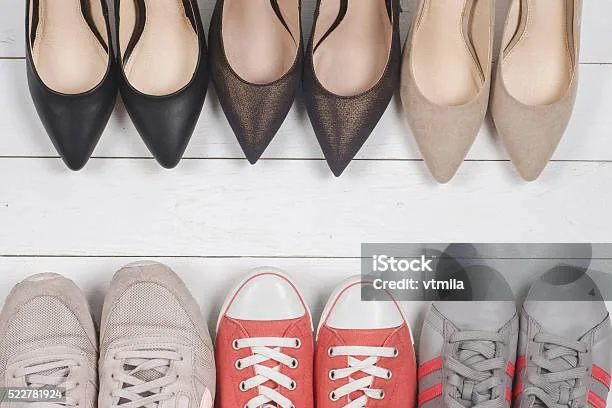
Dress shoes are an investment in professional and social presentation. For men, classic styles include Oxfords (characterized by closed lacing for a sleek, formal look), Derbies (open lacing, offering a slightly more casual fit), and Loafers (slip-on convenience ranging from casual to semi-formal). For women, dress options range from classic pumps and block heels to elegant flats and brogues.
When selecting dress shoes, prioritize high-quality leather and classic designs that can be resoled. Ensure there is enough room in the toe box to prevent pinching, especially in pointed-toe designs.
Casual & Everyday Sneakers
Everyday sneakers should balance style, breathability, and comfort. Look for lightweight materials like canvas, knit textiles, or soft tumbled leather. A cushioned insole (such as memory foam or polyurethane) and a flexible rubber outsole are essential for walking long distances on hard urban surfaces.
Boots & Outdoor Footwear
Outdoor footwear must protect your feet from the elements while providing traction on uneven terrain. Hiking boots should offer ankle support, water resistance (often utilizing breathable waterproof membranes), and deep lugs on the outsole for grip. Lifestyle boots, such as Chelsea or lace-up utility boots, should feature durable leather construction and robust stitching to withstand daily wear and tear in colder seasons.
3. Essential Materials: What Are Your Shoes Made Of?
The materials used in a shoe's upper, lining, and sole directly impact its comfort, durability, breathability, and maintenance requirements. Understanding these materials helps you determine if a shoe is worth its price point.
| Material | Durability | Breathability | Best For | Maintenance Level |
|---|---|---|---|---|
| Full-Grain Leather | Excellent | Moderate (improves with age) | Dress shoes, boots, premium sneakers | High (requires conditioning and polishing) |
| Suede / Nubuck | Good | High | Casual shoes, loafers, Chelsea boots | High (vulnerable to water and stains) |
| Synthetic Mesh / Knit | Moderate | Excellent | Running shoes, athletic trainers | Low (often machine washable or easy to wipe) |
| Canvas / Cotton | Moderate | High | Summer sneakers, casual slip-ons | Low to Moderate (easy to wash) |
| Polyurethane (PU) / Vegan Leather | Low to Moderate | Low | Budget fashion footwear | Very Low (wipe clean with a damp cloth) |
Leather: The Gold Standard
Natural leather remains the premier choice for premium footwear. Full-grain leather is the highest quality, utilizing the entire grain of the hide, which develops a beautiful patina over time and offers superior durability. Top-grain leather is slightly thinner and more flexible, while genuine leather (often a marketing term for lower-grade split leather) is less durable but more affordable. Suede offers a soft, textured look but requires protective sprays to prevent water damage.
Synthetics and Performance Textiles
Modern athletic shoes rely heavily on synthetic materials like nylon, polyester, and engineered mesh. These materials are incredibly lightweight, highly breathable, and engineered to wick moisture away from the skin. However, they lack the natural stretch and molding capabilities of real leather.
4. Shoe Construction: How It Affects Longevity
How a shoe is put together determines whether it can be repaired when worn out or if it must be thrown away. This is particularly important for dress shoes and boots.
Cemented Construction (Glued)
In cemented construction, the shoe's upper is glued directly to the sole. This is the most common and inexpensive method used in sneakers, lightweight casual shoes, and budget dress shoes. While it makes the shoe lightweight and flexible from day one, cemented shoes cannot be easily resoled. Once the sole wears out or the glue fails, the shoe must usually be replaced.
Blake Stitching
Blake stitching involves stitching the upper, insole, and outsole together directly from the inside of the shoe. This creates a sleek, low-profile aesthetic common in Italian dress shoes. Blake-stitched shoes are highly flexible and can be resoled, though they require a specialized cobbler machine to do so. They are less water-resistant because the stitching runs directly from the ground to the inside of the shoe.
Goodyear Welting
Goodyear welting is the gold standard of shoe construction. A strip of leather or plastic (the welt) is stitched to both the upper and the insole, and then stitched separately to the outsole. This double-stitch method creates a highly water-resistant barrier and allows the shoe to be resoled repeatedly over decades. Goodyear-welted shoes are heavier, require a break-in period, and are more expensive upfront, but they offer unmatched long-term value.
5. Smart Shopping Tips: How to Buy Shoes Online and In-Store
Finding the perfect pair of shoes requires a strategic approach, whether you are trying them on in a physical retail store or browsing digital catalogs.
Tips for In-Store Shopping
- Shop in the afternoon: Your feet naturally expand throughout the day due to walking and standing. Shopping later in the day ensures you do not buy shoes that will feel too tight later on.
- Wear the right socks: Bring the specific socks you plan to wear with the shoes. Trying on running shoes with thick winter socks or dress shoes with athletic socks will distort the fit.
- Walk on different surfaces: Walk around the store on both carpeted and hard floors. Carpet absorbs impact, making shoes feel softer than they actually are.
- Check for heel slippage: Your heel should be locked securely in the back of the shoe. If your heel slips up and down significantly when you walk, the shoe is too large or lacks proper heel counter support.
Tips for Online Shopping
- Check international size charts carefully: US, UK, EU, and Japanese sizing systems differ. Always refer to the brand's specific measurement chart in centimeters or inches rather than relying solely on your usual size number.
- Read customer reviews: Look for feedback regarding whether the shoe runs "true to size," "large," or "narrow." This real-world data is invaluable for online buyers.
- Understand the return policy: Only buy from retailers that offer hassle-free returns. Try the shoes on immediately upon arrival on a clean, carpeted surface so you can return them in pristine condition if they do not fit.
6. Shoe Care and Maintenance: Extending the Lifespan of Your Investment
Even the highest-quality shoes will deteriorate quickly without proper care. Implementing a basic maintenance routine will keep your footwear looking excellent and performing well for years.
Rotate Your Shoes
Avoid wearing the same pair of shoes two days in a row, especially leather shoes. Feet sweat throughout the day, and leather needs at least 24 hours to dry out completely. Rotating your footwear prevents moisture buildup, which can weaken the leather structure and cause unpleasant odors.
Use Shoe Trees
Insert cedar shoe trees into your leather shoes and boots immediately after taking them off. Cedar absorbs residual moisture, deodorizes naturally, and helps the shoe maintain its original shape, preventing deep creases from forming in the toe box.
Clean and Condition Regularly
- Leather: Wipe away dust and dirt with a damp cloth. Apply a high-quality leather conditioner every few months to keep the leather supple and prevent cracking. Polish occasionally to restore color and shine.
- Suede: Use a specialized suede brush to remove dirt and restore the nap. Always apply a water-repellent spray before wearing suede shoes in damp conditions.
- Athletic Sneakers: Remove the insoles and laces, then hand-wash them with mild soap and warm water. Air-dry them away from direct heat sources, which can warp the midsoles.
Conclusion
Investing in the right pair of shoes is an investment in your daily comfort, health, and style. By understanding your foot shape, selecting the appropriate category for your activities, choosing high-quality materials, and paying attention to construction methods, you can build a versatile, durable footwear collection. Remember that comfort should never be sacrificed for style; the perfect shoe should offer both without compromise.