The Ultimate Toy Buying Guide: How to Choose Safe, Engaging, and Age-Appropriate Toys
Walking down the toy aisle or browsing through endless online categories can feel overwhelming. With thousands of options featuring bright lights, trending characters, and smart technology, finding the right toy is more challenging than ever. Beyond immediate entertainment, toys play a fundamental role in child development, fostering cognitive growth, fine motor skills, emotional maturity, and social abilities.
This comprehensive toy buying guide breaks down everything you need to know to make informed choices. Whether you are shopping for a infant, a energetic preschooler, or a picky tween, this guide will help you select durable, safe, and engaging playthings that provide long-lasting value.
Key Factors to Consider Before Buying Any Toy
Before adding a toy to your cart, it pays to evaluate it against a few essential criteria. Considering these core factors ensures that your purchase aligns with the child's needs and your home environment.
1. Safety and Material Quality
Safety should always be the top priority when purchasing playthings. Look for non-toxic materials, smooth edges, and sturdy construction. Ensure the toy bears safety certification marks such as ASTM (American Society for Testing and Materials) or CE (Conformité Européenne). Pay close attention to small parts, button batteries, and long cords, especially if younger siblings are present in the household.
2. Age and Developmental Stage
Age recommendations on toy packaging are not merely suggestions—they are based on safety standards and developmental milestones. A toy that is too advanced can cause frustration, while one that is too simple will quickly lead to boredom. Look for toys that match the child's current capabilities while offering a slight challenge to encourage learning.
3. Play Value and Versatility
The best toys are 10% toy and 90% child. High-play-value toys can be used in multiple ways, adapting as the child grows. Passive toys that require the child to merely sit and watch a button-triggered light display tend to lose appeal quickly. Open-ended toys—such as building blocks, play dough, and art supplies—encourage active creation and sustained engagement.
4. Durability and Sustainability
High-quality wooden toys, food-grade silicone, and sturdy recycled plastics generally outlast flimsy, single-use plastic novelties. Investing in well-made toys reduces waste, saves money in the long run, and often allows items to be passed down through generations or shared with relatives.
Toy Buying Guide by Age Group
Children undergo rapid physical and mental shifts during their early years. Matching playthings to specific developmental stages ensures maximum engagement and educational benefit.
Infants and Babies (0–12 Months): Sensory Exploration
During their first year, infants explore the world primarily through sight, sound, touch, and taste. Toys for this stage should stimulate the senses while remaining completely safe to chew on.
- 0–3 Months: High-contrast black-and-white books, soft rattles, floor gyms, and unbreakable mirrors help develop visual tracking and neck strength during tummy time.
- 3–6 Months: Teething rings, textured balls, and soft fabric blocks promote hand-eye coordination and tactile discovery.
- 6–12 Months: Stacking cups, busy boards, activity cubes, and push toys support motor milestones like sitting up, crawling, and pulling up to stand.
Toddlers (1–3 Years): Active Movement & Fine Motor Skills
Toddlers are constantly on the move, asserting their independence and practicing new physical coordination. They require durable toys that can withstand rough play and outdoor exploration.
- Gross Motor Play: Balance bikes, ride-on cars, push walkers, and simple climbing structures build balance and spatial awareness.
- Fine Motor Play: Large wooden pegs, simple shape sorters, chunky puzzles, and non-toxic washable crayons help refine hand grip and precision.
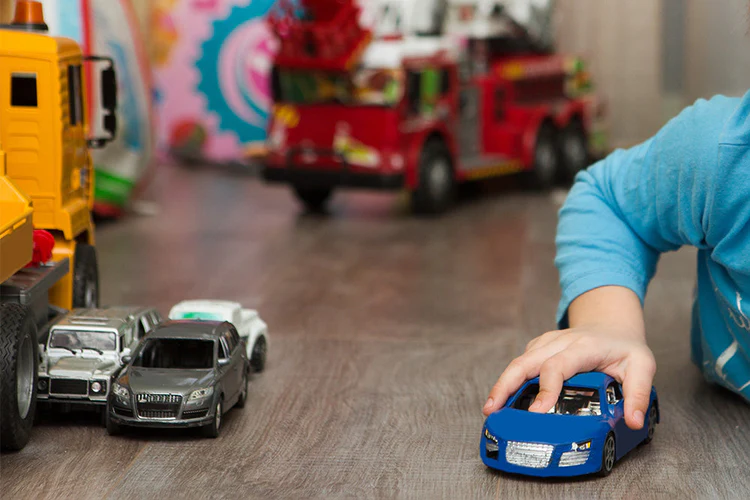
- Pretend Play Beginnings: Toy kitchens, play food, basic doll figures, and vehicle sets begin to introduce early imaginative play.
Preschoolers (3–5 Years): Imagination & Social Connection
Preschoolers possess vivid imaginations and are beginning to learn how to play collaboratively with peers. Their play moves toward complex storytelling, roleplay, and basic logic problems.
- Imaginative Play: Dress-up costumes, puppet theaters, dollhouses, action figures, and play sets foster empathy and language skills.
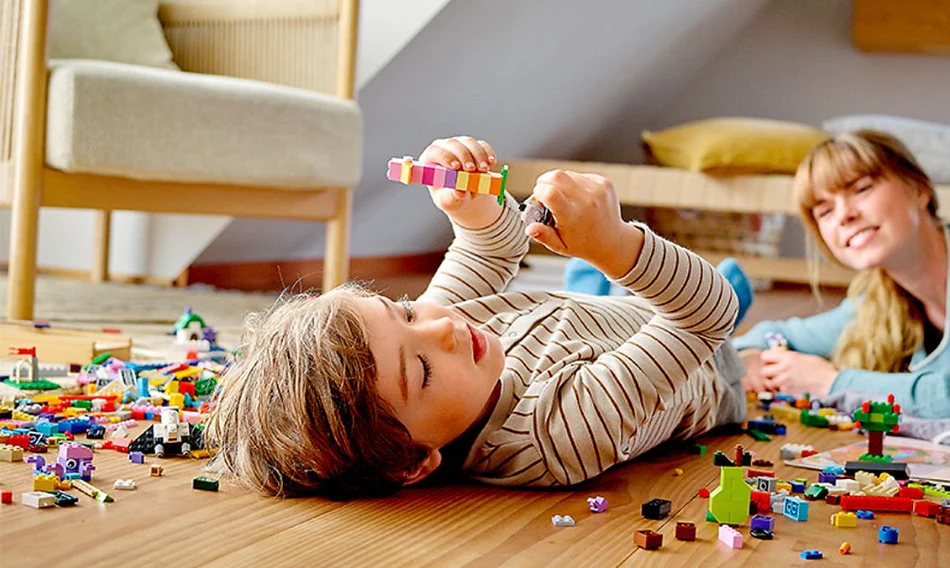
- Constructive Play: Interlocking plastic bricks, magnetic building tiles, and wooden train tracks build spatial reasoning and engineering concepts.
- Beginner Games: Picture-matching memory games, simple cooperative board games, and basic card games teach turn-taking and patience.
School-Age Children (6–8 Years): Logic, Skill, & Focus
Children in early elementary school develop longer attention spans and love mastering specific skills. They enjoy rule-based activities, project-based tasks, and group play.
- STEM & Science Kits: Beginner microscope sets, simple coding toys, solar-powered models, and chemistry kits spark curiosity about the natural world.
- Crafts & Creation: Jewelry-making sets, origami kits, drawing tutorials, and weaving looms encourage patience and self-expression.
- Complex Board Games: Strategy board games, classic card games, and multi-piece jigsaw puzzles foster analytical thinking.
Tweens (9–12 Years): Mastery & Specialized Hobbies
Older children seek independence and often gravitate toward specialized interests, outdoor pursuits, or advanced creative projects that reflect their personality.
- Advanced Building Sets: Detailed architectural sets, motorized mechanical models, and robotics kits appeal to detail-oriented minds.
- Outdoor & Active Gear: Quality sports equipment, trick scooters, archery sets, and strategy lawn games keep older kids moving.
- Social & Strategy Games: Trivia games, fast-paced deck-building games, and collaborative strategy titles suitable for family game nights.
Exploring Major Toy Categories
Understanding the distinct benefits of each toy category allows you to build a balanced play environment at home.
STEM and Educational Toys
Science, Technology, Engineering, and Mathematics (STEM) toys integrate practical learning into play. Rather than relying on rote memorization, top-tier STEM toys encourage trial-and-error experimentation, logic processing, and creative problem-solving.
When selecting STEM toys, prioritize items that let the child lead the activity. For instance, a basic circuitry kit where kids manually connect wires provides deeper insight than an electronic console that performs pre-programmed actions at the touch of a button.
Open-Ended Toys
Open-ended toys do not have a defined end goal, right answer, or single way to play. A set of simple wooden blocks can become a castle, a parking garage, a zoo fence, or a tower to knock down.
Benefits of Open-Ended Toys:
- They adapt to any age or developmental stage.
- They foster long-term creativity and lower play fatigue.
- They offer superior financial value because children rarely outgrow them quickly.
Active and Outdoor Toys
Physical play is essential for cardiovascular health, strength development, and sensory regulation. Outdoor toys encourage children to step away from screens and connect with nature and physical exertion.
Essential outdoor items include sports equipment (soccer goals, basketball hoops), ride-on transport (scooters, bicycles, roller skates), and unstructured play gear (sand molds, water tables, kites, and gardening tools).
Toy Comparison Matrix: Finding the Right Match
The table below provides a quick side-by-side reference to help you evaluate which toy types fit best based on age suitability, key benefits, and storage needs.
| Toy Category | Target Age Range | Primary Developmental Benefits | Storage & Maintenance Needs |
|---|---|---|---|
| Sensory & Soft Toys | 0–2 Years | Tactile recognition, fine motor control, self-soothing | Low; washable surfaces required |
| Building & Construction | 2–12+ Years | Spatial reasoning, geometry, patience, hand strength | Moderate to High; requires bin or sorting storage |
| Pretend & Roleplay | 3–8 Years | Empathy, emotional intelligence, language acquisition | Moderate; needs dedicated shelf space or play corner |
| STEM & Robotics | 6–12+ Years | Logic processing, coding skills, critical thinking | Low to Moderate; keep away from water/moisture |
| Board Games & Puzzles | 4–12+ Years | Social skills, rule comprehension, turn-taking | Low; flat shelf storage in original boxes |
| Active & Outdoor | 2–12+ Years | Gross motor strength, stamina, balance, health | High; requires garage, yard, or shed storage |
Essential Toy Safety Guidelines for Buyers
No matter how educational or fun a toy appears, safety should never be compromised. Follow these guidelines whenever you purchase or introduce new playthings into your home.
Check for Small Parts Hazards
Choking hazards are the leading cause of toy-related injuries in young children. Any toy intended for children under three years old should be large enough that it cannot fit through a standard toilet paper tube (approx. 1.25 inches in diameter). Avoid toys with removable small magnets, unsecured button batteries, or tiny detachable accessories when shopping for toddlers.
Verify Material Non-Toxicity
Young infants learn by mouthing objects. Ensure all wooden toys use non-toxic, water-based finishes, lead-free paint, and natural sealants. For plastic items, confirm they are free from BPA, phthalates, PVC, and heavy metals.
Inspect Smart & Connected Toys
Many modern toys feature Wi-Fi connectivity, built-in cameras, or voice-recording technology. If buying smart toys, review the product's privacy settings and data security policies:
- Check if the toy records ambient sound or stores data on external cloud servers.
- Ensure the toy requires a secure password for Bluetooth connections to prevent unauthorized access.
- Verify whether parental controls allow you to disable internet connectivity entirely while keeping play functionality active.
Smart Shopping Tips: How to Build a Quality Toy Collection
Creating a rich play environment doesn't mean buying every trending toy on the market. In fact, fewer high-quality items usually yield better play outcomes than an abundance of low-value clutter.
1. Implement a Toy Rotation Strategy
When children face too many choices at once, they experience decision fatigue and often play less deeply. Instead of keeping every toy accessible, keep a core selection out and store the rest in closets or bins. Rotate the stored set every few weeks. This makes old toys feel brand-new again and keeps room cleanups manageable.
2. Focus on "Battery-Free" Priorities
While electronic toys can offer novelty, they often limit true creativity. When a toy does everything for the child (flashing, talking, singing), the child becomes a passive observer. Aim for a ratio where at least 70% to 80% of the household toy collection operates entirely on imagination rather than batteries.
3. Choose Quality Over Quantity
Rather than buying ten inexpensive novelty items that break within days, invest in one high-grade, beautifully crafted play set. High-quality items hold their resale value well and can easily be resold on secondary marketplaces or handed down to younger family members.
Conclusion: Choosing the Perfect Toy
Finding the ideal toy doesn't have to be complicated. By prioritizing safety, considering developmental milestones, and choosing open-ended designs over short-lived trends, you can create an enriching play environment that nurtures a child's natural curiosity and joy.
Keep the child's individual interests in mind, focus on long-term play value, and remember that the best toys are simply tools that unlock a child's own imagination and endless potential for discovery.