The Ultimate Toy Comparison Guide: Choosing the Best Play Categories for Child Development
Walking down the toy aisle or browsing an online toy catalog can feel overwhelming for parents, educators, and gift buyers. With thousands of options promising to entertain, educate, and inspire, selecting the right playthings requires looking past glossy packaging and clever marketing. The modern toy market is filled with diverse categories, ranging from traditional wooden blocks to interactive, app-enabled robots.
Toys are far more than simple tools for entertainment; they are the primary instruments through which children learn about the physical world, build emotional resilience, develop fine motor control, and sharpen their cognitive skills. However, not all toys serve the same developmental purpose. A brightly lit digital toy offers a vastly different sensory experience compared to a set of plain wooden building blocks. Understanding how different toy groups compare helps consumers make intentional choices that support long-term child development, fit family values, and offer maximum play value.
This comprehensive comparison guide breaks down the major toy categories on the market today. We evaluate each group based on developmental benefits, longevity, safety, and versatility, helping you build a balanced, engaging play space tailored to any child's unique needs.
1. Open-Ended Toys vs. Closed-Ended (Structured) Toys
One of the most fundamental distinctions in the toy industry is the difference between open-ended toys and closed-ended (or structured) toys. This classification dictates how much control the child has over the play experience.
Open-Ended Toys: Fostering Unlimited Creativity
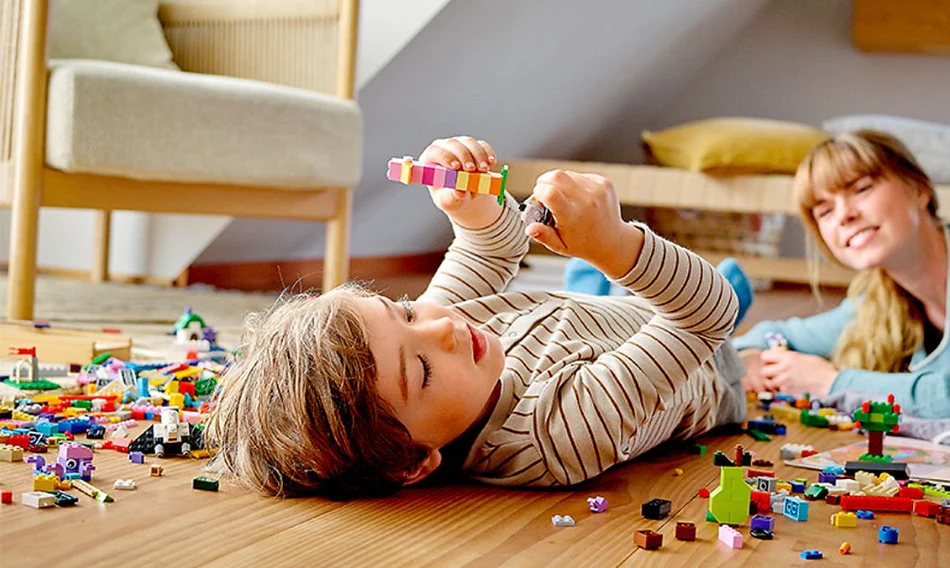
Open-ended toys are play materials that can be used in multiple ways, with no set instructions, correct answers, or predetermined outcomes. The child directs the play entirely, transforming the toy to fit their imagination. Classic examples include building blocks, magnetic tiles, play dough, playscarves, and simple wooden figurines.
- Key Advantage: Exceptional longevity. A set of basic wooden blocks can serve a toddler learning balance, a preschooler building castles, and an older child constructing complex architectural layouts for pretend villages.
- Developmental Benefits: Promotes high-level problem solving, divergent thinking, spatial awareness, and creative self-expression.
- Potential Drawbacks: Some children who are accustomed to highly structured environments may initially feel lost without specific instructions and require guidance to spark their imagination.
Closed-Ended Toys: Building Task Completion and Focus
Closed-ended toys have a clear starting point, a specific process, and a defined end goal. Once the objective is completed, the activity is finished. Common examples include jigsaw puzzles, shape sorters, board games, paint-by-number kits, and step-by-step model building sets.
- Key Advantage: High psychological satisfaction. Completing a closed-ended toy gives children a clear sense of achievement, boosting self-confidence and self-regulation.
- Developmental Benefits: Enhances attention span, pattern recognition, spatial reasoning, task persistence, and fine motor precision.
- Potential Drawbacks: Lower replay value once the task is mastered. A 24-piece puzzle loses much of its challenge once a child solves it repeatedly.
The Verdict: Open-Ended vs. Closed-Ended
Neither category is superior; instead, they complement each other. Open-ended toys should form the foundation of a child's everyday play space (roughly 70% of the collection) due to their versatility and creative freedom. Closed-ended toys are ideal for quiet focus time, structured learning sessions, and teaching patience and task completion.
2. Wooden Toys vs. Plastic Toys: Durability, Safety, and Eco-Impact
When selecting toys, material choice impacts durability, sensory feedback, environmental sustainability, and price. The debate between wooden toys and plastic toys remains one of the most prominent topics among modern shoppers.
The Appeal of Wooden Toys
Wooden toys have seen a massive resurgence in recent years, driven by eco-conscious consumers and Montessori-inspired educational philosophies. Crafted from solid woods like beech, rubberwood, pine, or maple, these toys emphasize organic textures and minimalist aesthetics.
- Durability and Longevity: High-quality wooden toys are virtually indestructible under normal play conditions. They rarely break into dangerous sharp pieces and can easily be passed down through generations.
- Sensory Quality: Wood offers a natural weight, warmth, and subtle grain texture that provides rich tactile feedback without overstimulating the child's nervous system.
- Environmental and Health Benefits: Sustainably sourced wooden toys, finished with non-toxic, water-based paints or natural oils, are biodegradable and free from harmful chemicals like BPA, phthalates, and PVC.
- Considerations: Wooden toys usually carry a higher upfront cost and lack detailed mechanical features like water resistance or intricate articulation.
The Versatility of Plastic Toys
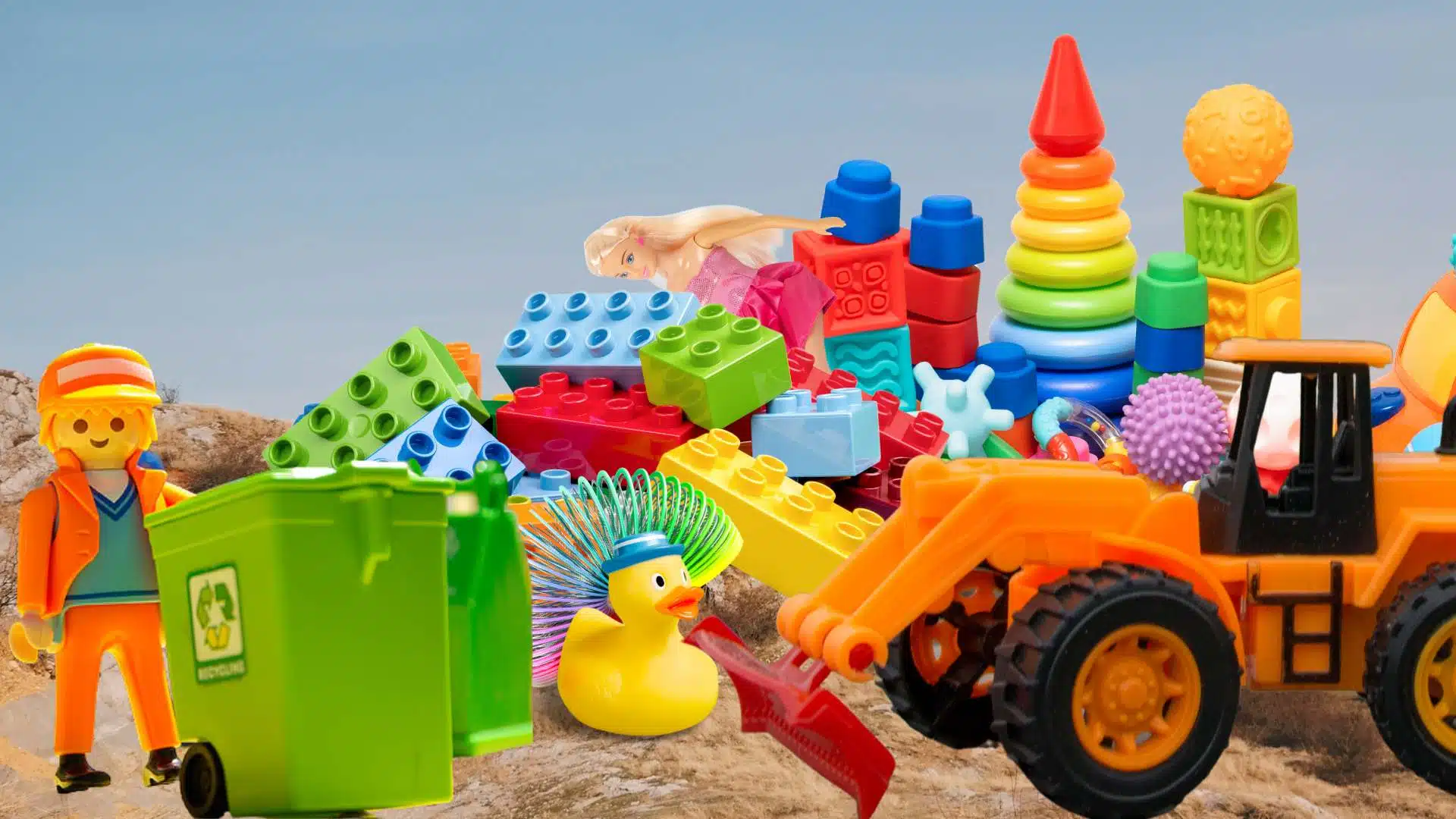
Plastic toys revolutionized the toy industry in the mid-20th century, enabling bright colors, lightweight designs, complex mechanical parts, and mass production at accessible price points.
- Versatility and Functionality: Plastic allows for precision molding, which is essential for interlocking brick systems, detailed action figures, water-play toys, and mechanical gears that wood cannot easily replicate.
- Maintenance and Cleaning: Plastic materials are generally waterproof and non-porous, making them easy to sanitize, wash, and use outdoors or in bath environments.
- Affordability: Mass production makes plastic toys accessible to a broader range of budgets.
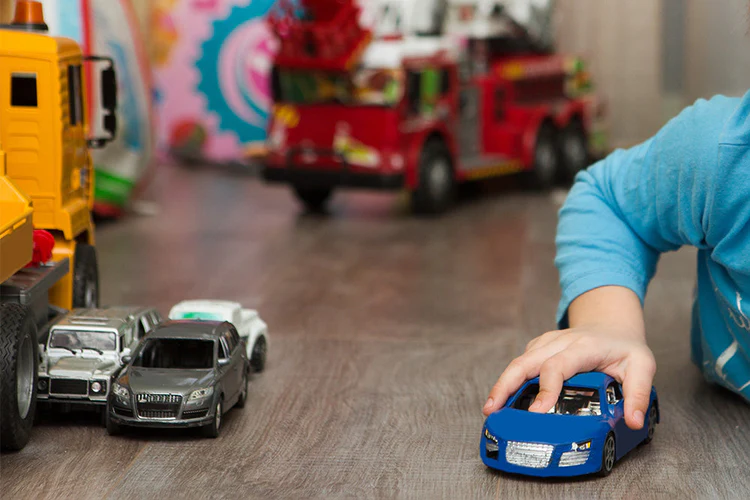
- Considerations: Low-grade plastics can break into sharp shards, pose environmental pollution risks through microplastics, and often contain synthetic additives if not sourced from reputable manufacturers adhering to strict safety standards.
3. Digital/Interactive Toys vs. Traditional Unplugged Toys
As technology penetrates every aspect of daily life, the toy industry has embraced smart technology, artificial intelligence, app connectivity, and screen-assisted play. Comparing digital toys with traditional unplugged playthings helps highlight how each affects a child's mental and physical health.
Digital and Smart Toys: Engagement in the Tech Age
Digital toys incorporate electronic components, sound effects, LED screens, app integrations, or robotic movements. This category includes electronic learning tablets, coding robots, interactive plush pets, and smart handheld gaming consoles.
- Interactive Feedback: Digital toys respond instantly to a child’s inputs with sounds, lights, or movements, creating immediate gratification and captivating initial engagement.
- STEM Skill Integration: Modern smart toys offer excellent introductions to basic computer logic, programming concepts, and digital literacy in a gamified context.
- Risk of Overstimulation: Excessive reliance on flashing lights, rapid sound cues, and automated movements can overstimulate young nervous systems, potentially shortening attention spans for slower-paced, real-world activities.
- Passive Play Risk: When a toy does too much on its own (singing, dancing, flashing), the child becomes a passive observer rather than an active participant in the play experience.
Traditional Unplugged Toys: Deep Focus and Physical Mastery
Traditional unplugged toys operate entirely without batteries, screens, or microchips. They require physical effort, human imagination, and manual manipulation to function. Examples include puppets, jumping ropes, wooden trains, simple rag dolls, and physical construction bricks.
- Active Engagement: Unplugged toys require 100% child-driven action. If the child doesn't move the toy train, it stays put. This shift converts play from passive visual consumption to active cognitive construction.
- Physical Development: Unplugged play encourages motor skill development, body spatial orientation, physical coordination, and sensory integration through tangible textures and real-world physics.
- Calmer Mental State: Without electronic prompts, children enter states of "deep play" or flow, which helps lower stress levels and builds internal focus mechanisms.
4. STEM/Educational Toys vs. Imaginative/Pretend Play Toys
Consumers often weigh structured educational toys against imaginative play sets. While both foster cognitive growth, they target distinctly different developmental domains.
STEM/Educational Toys: Analytical and Scientific Thinking
STEM (Science, Technology, Engineering, and Mathematics) toys are designed to teach specific academic or logical concepts through hands-on discovery. This category includes chemistry experiment kits, magnetic building tiles, gear sets, microscope kits, and math gaming sets.
These toys excel at teaching spatial reasoning, cause-and-effect relationships, hypothesis testing, and systemic thinking. They encourage children to adopt a trial-and-error mindset, viewing mistakes as valuable data points rather than failures.
Imaginative Play Toys: Emotional Intelligence and Social Skills
Imaginative (or pretend play) toys include items that allow children to imitate adult life, act out fictional scenarios, and process daily experiences. Key examples consist of play kitchens, medical kits, costume dress-ups, dollhouses, and miniature tool sets.
While less focused on academic metrics, imaginative play toys are foundational for developing emotional intelligence (EQ). Through role-playing, children practice empathy, expand their vocabulary, process real-world anxieties, and master social negotiations like sharing, taking turns, and cooperative storytelling.
Detailed Comparison Matrix
The table below provides a quick side-by-side evaluation of the major toy categories discussed in this guide, helping you identify which options best align with your child's age and developmental priorities.
| Toy Category | Primary Developmental Focus | Average Longevity | Replay Value | Ideal Age Group |
|---|---|---|---|---|
| Open-Ended Toys (e.g., Blocks, Loose Parts) | Creativity, Spatial Reasoning, Problem Solving | Very High (5+ Years) | Exceptional | 12 Months - 12+ Years |
| Closed-Ended Toys (e.g., Puzzles, Board Games) | Focus, Task Completion, Fine Motor Control | Low to Medium | Moderate (Decreases once solved) | 2 Years - Adult |
| Wooden Toys | Sensory Integration, Tactile Discovery | Extremely High (Generational) | High | 0 Months - 8 Years |
| Plastic Functional Toys (e.g., Water Toys, Detailed Models) | Fine Motor Precision, Mechanical Logic | Medium (Subject to wear/breakage) | High | 1 Year - 12 Years |
| Digital / Smart Toys | Tech Literacy, Basic Coding Logic | Low to Medium (Tech becomes obsolete) | Moderate (Depends on app updates) | 5 Years - 14 Years |
| Imaginative Play Sets (e.g., Play Kitchens, Costumes) | Emotional Intelligence, Language, Social Skills | High (3–6 Years) | Very High | 2 Years - 9 Years |
5. How to Select the Right Balance of Toys for Any Age
Creating a meaningful toy collection is not about acquiring as many items as possible. In fact, research in child psychology shows that fewer toys lead to deeper, more creative play states. When children are overwhelmed by choices, they tend to bounce rapidly from one toy to another without reaching a state of sustained focus.
To maximize developmental value and maintain an organized, inviting play environment, consider structuring your toy selection using an age-tailored approach:
Infants and Toddlers (0 to 3 Years)
At this stage, sensory discovery, gross motor movement, and basic cause-and-effect take center stage. Avoid complex electronic toys that demand passive attention.
- Focus on: Natural wooden teethers, simple stacking cups, soft fabric balls, shape sorters, sturdy wooden walkers, and basic open-ended blocks.
- Ratio: 80% simple physical/wooden toys, 20% structured sorting toys. Zero screen-based digital toys.
Preschool and Early School Age (3 to 6 Years)
Children in this bracket experience a massive boom in imagination, language capacity, and social interaction. They begin engaging in complex pretend-play scenarios and cooperative gaming.
- Focus on: Dress-up clothes, play kitchen items, magnetic building tiles, beginner jigsaw puzzles, art supply kits, and simple open-ended play figures.
- Ratio: 50% open-ended construction, 30% imaginative role-play sets, 20% structured puzzles and games.
Middle Childhood (7 to 12 Years)
Older children crave real-world competence, complex problem-solving, mastery over physical skills, and peer collaboration.
- Focus on: Advanced engineering construction sets, strategy board games, science experiment kits, beginner coding devices, sports gear, and detailed craft project kits.
- Ratio: Balanced split between complex STEM/closed-ended challenges, group-oriented board games, and child-led creative projects.
Smart Buying Tips: Evaluating Quality and Value
Before making a purchase in any toy category, apply this simple criteria checklist to ensure you are investing in high-value, safe, and engaging play materials:
- The 90/10 Rule of Play: A good toy should be 90% child and 10% toy. If the toy does 90% of the work (lights, motions, sounds) and the child only sits and watches, its long-term educational value is minimal.
- Multi-Use Capacity: Ask yourself: "Can this toy be used in more than three different ways?" If the answer is yes, the toy offers strong long-term value.
- Safety and Material Transparency: Check for non-toxic certifications, smooth finished edges, lead-free testing compliance, and sturdy construction that prevents small parts from detaching and becoming choking hazards.
- Storage and Organization Potential: Consider how easily the toy can be stored. Toys with dozens of loose, non-standard parts that lack dedicated containers often end up lost or cluttering living spaces, rendering the toy unusable over time.
Final Verdict: Building a Sustainable Play Space
There is no single "perfect" category of toy that meets all developmental needs on its own. A well-rounded play diet combines the creative freedom of open-ended wooden blocks with the focused challenge of closed-ended puzzles, balanced by the social richness of imaginative pretend-play sets.
By shifting the focus from modern gadgetry and high volume toward high-quality, adaptable, and child-driven play materials, consumers can curating a rich environment that fosters curiosity, resilience, and lifelong learning. Choose toys that empower the child to become the creator, designer, and storyteller of their own world.