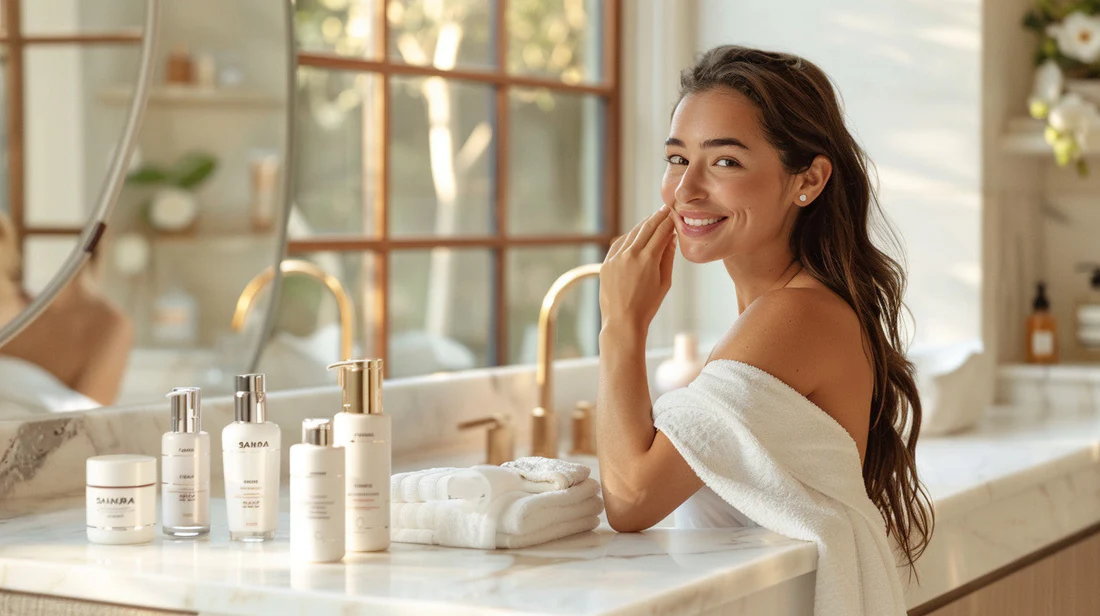
Ultimate Skincare Buying Guide: How to Choose the Right Products for Every Skin Type
Navigating the skincare aisle can feel overwhelming. With thousands of serums, creams, cleansers, and treatments lining store shelves and digital storefronts, finding the right products for your skin is no small feat. Marketing buzzwords like "clean," "miracle," and "dermatologist-tested" often make it harder to discern what your skin actually needs. Investing in skincare shouldn't be about buying the most expensive item or following transient social media trends; it should be about understanding your unique skin biology and selecting formulations with ingredients proven to work.
This comprehensive buying guide breaks down the essential product categories, highlights critical active ingredients, and provides practical advice to help you build an effective, personalized skincare routine. Whether you are dealing with persistent breakouts, dryness, signs of aging, or sensitivity, this guide will empower you to shop smartly and confidently.
Step 1: Determine Your Primary Skin Type and Concerns
Before spending money on any skincare product, you must correctly identify your skin type. Using products designed for oily skin on dry skin can strip away essential moisture, while heavy creams on acne-prone skin can clog pores and lead to breakouts. Skin types generally fall into five distinct categories:
- Dry Skin: Feels tight, rough, or flaky, especially after cleansing. It produces less natural oil (sebum) and requires deep hydration and barrier support.
- Oily Skin: Displays a persistent shine throughout the day, particularly in the T-zone (forehead, nose, and chin). It is characterized by enlarged pores and a higher tendency toward blackheads and blemishes.
- Combination Skin: Features an oily T-zone paired with dry or normal cheek areas. This skin type often requires a balanced approach or multi-masking techniques.
- Sensitive Skin: Flushes easily, stings, or burns upon application of strong products. It is prone to redness, eczema, or rosacea and demands ultra-soothing, fragrance-free formulations.
- Normal Skin: Balanced oil and moisture levels, minimal blemishes, and no severe sensitivity. The goal for normal skin is maintenance and preventative protection.
The Bare-Face Method to Test Your Skin Type
If you are unsure of your skin type, perform this simple home test: Wash your face with a mild, neutral cleanser, gently pat it dry, and leave it bare for 30 to 45 minutes without applying any products. Observe how your skin feels and looks in natural light:
- If it feels tight, uncomfortable, or shows faint white flakes, your skin is dry.
- If you notice visible shine across your entire face, your skin is oily.
- If your forehead and nose shine but your cheeks feel normal or tight, you have combination skin.
- If your skin shows red patches or feels irritated, you likely have sensitive skin.
- If your skin feels comfortable, flexible, and neither greasy nor tight, you have normal skin.
Step 2: Understanding Core Skincare Product Categories
A well-rounded skincare routine is built on distinct product classes, each serving a specific function in protecting, cleansing, or repairing the skin. Understanding what each category offers will prevent you from buying redundant products.
1. Cleansers
Cleansers remove dirt, sweat, makeup, excess oil, and environmental pollutants. Choosing the wrong cleanser can disrupt your skin’s acid mantle—the delicate protective barrier on your skin’s surface.
- Gel Cleansers: Clear, light gel textures ideal for oily and acne-prone skin. They provide deep cleansing and help unclog pores.
- Foaming Cleansers: Create a rich lather that effectively removes excess surface sebum. Modern formulations use gentle surfactants that do not strip moisture.
- Cream/Lotion Cleansers: Rich, hydrating, non-foaming formulas best suited for dry or sensitive skin. They cleanse while maintaining skin lipid balance.
- Cleansing Oils and Balms: Oil-based formulas designed for "double cleansing." They break down long-wear cosmetics, water-resistant sunscreen, and sebum without drying out the skin.
2. Toners and Essences
Gone are the days when toners were harsh, alcohol-laden astringents designed to strip the skin. Today’s toners serve as prepping agents that restore pH balance, provide immediate hydration, or gently exfoliate using mild liquid acids. Essences are slightly thicker hydration boosters popular in Asian skincare routines, packed with fermented ingredients and humectants to prep the skin for serums.
3. Serums and Concentrates
Serums are lightweight fluids containing concentrated doses of active ingredients targeted at specific concerns such as hyperpigmentation, fine lines, dullness, or dehydration. Because of their small molecular structure, serums penetrate deeper into the epidermis than heavier moisturizers. They are the true workhorses of any targeted skincare routine.
4. Moisturizers and Facial Oils
Moisturizers lock in hydration, support the skin barrier, and prevent Transepidermal Water Loss (TEWL). They contain a blend of three key component types:
- Humectants (e.g., Glycerin, Hyaluronic Acid): Draw moisture from the air into the outer layers of the skin.
- Emollients (e.g., Squalane, Ceramides): Smooth over micro-fissures in the skin barrier to restore suppleness.
- Occlusives (e.g., Shea Butter, Petrolatum): Form a physical protective film to prevent moisture from evaporating.
Facial oils consist of plant-derived or synthetic lipids that act primarily as emollients and occlusives. They should be applied as the last step in your evening routine or mixed into a moisturizer to enhance hydration during cold seasons.
5. Sunscreens (UV Protection)
Sunscreen is non-negotiable. Up to 80% of visible skin aging (photoaging)—including dark spots, loss of elasticity, and fine lines—is caused by daily exposure to ultraviolet radiation. Always buy a sunscreen labeled Broad-Spectrum (protecting against both UVA and UVB rays) with an SPF of 30 or higher.
- Mineral (Physical) Sunscreens: Contain active ingredients like Zinc Oxide or Titanium Dioxide. They sit on top of the skin and reflect UV rays. Ideal for sensitive, reactive, or post-procedure skin.
- Chemical Sunscreens: Use organic filters (such as Avobenzone, Octisalate, or modern broad-spectrum filters like Tinosorb) that absorb UV rays and convert them into harmless heat. They generally leave no white cast and wear seamlessly under makeup.
Step 3: Key Active Ingredients to Look For
When selecting skincare products, reading the ingredient list (INCI list) on the back of the package is far more useful than reading marketing claims on the front. Matching active ingredients to your skin’s specific needs ensures faster, visible results.
| Skin Concern | Recommended Active Ingredients | Primary Benefit | Ideal Product Format |
|---|---|---|---|
| Acne & Clogged Pores | Salicylic Acid (BHA), Benzoyl Peroxide, Niacinamide | Dissolves pore-clogging sebum and reduces inflammation | Cleansers, Spot Treatments, Exfoliating Serums |
| Dryness & Dehydration | Hyaluronic Acid, Glycerin, Ceramides, Squalane | Attracts and retains moisture while restoring the lipid barrier | Hydrating Toners, Serums, Cream Moisturizers |
| Hyperpigmentation & Dark Spots | Vitamin C (L-Ascorbic Acid), Alpha Arbutin, Tranexamic Acid, Kojic Acid | Inhibits melanin production and brightens overall skin tone | Antioxidant Serums, Targeted Spot Correctors |
| Fine Lines & Loss of Firmness | Retinol, Retinal, Peptides, Bakuchiol | Stimulates collagen production and accelerates cellular turnover | Night Serums, Rich Night Creams |
| Redness & Sensitivity | Centella Asiatica (Cica), Azelaic Acid, Colloidal Oatmeal, Allantoin | Soothes irritation, calms flushing, and strengthens delicate skin | Calming Lotions, Soothing Masks, Barrier Creams |
A Deep Dive into the Essential Actives
1. Retinoids (Vitamin A Derivatives)
Retinoids are considered the gold standard in modern dermatology for anti-aging and acne management. They work at a cellular level to increase cell turnover and boost collagen synthesis. Over-the-counter options include Retinol, Retinaldehyde (Retinal), and Hydroxypinacolone Retinoate (HPR). Beginners should start with a low concentration (0.1% to 0.3%) and use it twice a week, gradually increasing frequency to avoid dryness and peeling.
2. Hydroxy Acids (AHAs, BHAs, PHAs)
Chemical exfoliants are far safer and more effective than abrasive physical scrubs, which can create micro-tears on the skin's surface:
- Alpha Hydroxy Acids (AHAs): Such as Glycolic Acid and Lactic Acid. They are water-soluble and exfoliate the surface layer of dead skin cells, making them great for dry, sun-damaged skin.
- Beta Hydroxy Acid (BHA): Salicylic Acid is oil-soluble, meaning it penetrates deep into the pores to clear excess oil and cellular debris. Perfect for oily and acne-prone skin.
- Polyhydroxy Acids (PHAs): Such as Gluconolactone and Lactobionic Acid. They have larger molecular structures, exfoliating gently without penetrating too deeply, making them ideal for sensitive skin.
3. Niacinamide (Vitamin B3)
Niacinamide is one of the most versatile ingredients in skincare. It helps regulate sebum production, tightens the appearance of enlarged pores, fades post-inflammatory hyperpigmentation, reduces redness, and strengthens the skin's moisture barrier. Concentrations between 2% and 5% are highly effective without causing irritation.
Step 4: How to Layer Your Skincare Routine
Buying high-quality products is only half the battle; applying them in the correct order guarantees maximum absorption and prevents pilling (when products ball up on your skin). A simple rule of thumb is to apply products from the thinnest consistency to the thickest.
The Morning Routine (AM Focus: Protection)
- Cleanser: Use a gentle gel or water wash to remove overnight perspiration and residual product.
- Toner/Essence (Optional): Pat onto damp skin for immediate hydration.
- Antioxidant Serum: Apply a Vitamin C serum to protect against daytime free radical exposure and environmental damage.
- Moisturizer: Use a lightweight lotion or gel-cream to keep skin balanced.
- Sunscreen: Apply a generous amount (roughly two finger-lengths for the face and neck) as the final step before makeup.
The Evening Routine (PM Focus: Repair and Treatment)
- First Cleanse: Use a cleansing oil or balm to dissolve makeup, SPF, and surface grime.
- Second Cleanse: Wash with a water-based gel or cream cleanser to clean the skin thoroughly.
- Exfoliant or Treatment (1-3 times a week): Apply chemical exfoliants (AHAs/BHAs) to clear dead skin cells.
- Targeted Serum / Retinoid: Apply your retinoid or repairing serum (do not mix retinoids with strong exfoliants on the same night to avoid severe irritation).
- Moisturizer / Night Cream: Seal everything in with a rich, lipid-rich cream or night mask to aid repair while sleeping.
Step 5: Smart Shopping Tips and Common Mistakes to Avoid
To avoid spending money on ineffective formulas or causing unwanted skin reactions, keep these buying strategies in mind when selecting products:
1. Avoid Artificial Fragrances and Essential Oils if Reactive
Synthetic fragrances and volatile plant oils (like lavender, citrus, and eucalyptus) are common triggers for contact dermatitis and sensitivities. If you have sensitive skin, eczema, or rosacea, look for products clearly labeled "Fragrance-Free" rather than "Unscented" (which may use masking fragrances to hide chemically unpleasant smells).
2. Always Perform a Patch Test
Before applying any new product—especially active serums containing retinoids, acids, or high concentrations of Vitamin C—perform a patch test. Apply a small amount of product to your inner forearm or behind your ear and monitor the area for 24 to 48 hours. If redness, itching, or swelling occurs, do not apply it to your face.
3. Price Does Not Always Equal Performance
In the skincare industry, high price tags often reflect opulent packaging, heavy marketing campaigns, and brand prestige rather than superior ingredient quality. Excellent cleansers, effective sunscreens, and potent active serums can be found at drugstore prices. Look for brands that prioritize transparent concentration percentages and clean, minimal formulations.
4. Don't Overcomplicate Your Routine
Introducing five new products into your routine simultaneously is a recipe for disaster. If your skin reacts poorly, you won't know which product caused the issue. Introduce one product at a time, allowing 2 to 3 weeks between additions to gauge your skin's response.
Final Checklist Before You Buy
Keep this quick buying checklist handy whenever you browse for skin care online or in-store:
- Does this product target my specific skin type and current primary concern?
- Are the active ingredients supported by clear benefits, and are they listed in effective positions on the ingredient list (INCI)?
- Is the packaging suitable for preserving ingredient stability? (e.g., Vitamin C and Retinol should be in opaque, airtight pumps rather than clear glass jars).
- Does this fit seamlessly into my current routine without causing ingredient conflicts (such as mixing multiple strong acids)?
- Am I committed to wearing daily sunscreen alongside this product? (Crucial when using exfoliants and retinoids).
Skincare is a journey of patience and consistency. True skin improvements take time—typically 28 to 40 days, which is the natural cycle for epidermal cell turnover. By following this objective buying guide and prioritizing gentle care suited to your skin's unique needs, you can easily build a simple, effective, and economical skincare regimen that yields long-term radiant, healthy skin.