Wooden Toys vs. Plastic Toys: The Ultimate Comparison Guide for Modern Parents
Walking down the toy aisle today can be an overwhelming experience. On one side, you are greeted by flashing lights, high-tech sounds, and bright, neon-colored plastic figures. On the other side, there is a serene display of minimalist, earthy-toned wooden blocks, rainbows, and vehicles. This visual divide represents one of the biggest debates in modern parenting: wooden toys versus plastic toys.
Every toy purchase we make is an investment in our children's development, safety, and future environment. While plastic toys have dominated the market for the last several decades due to their low cost and versatility, wooden toys are experiencing a massive resurgence. Parents, educators, and child psychologists are increasingly looking back to traditional materials to foster healthier play environments.
In this comprehensive comparison guide, we will analyze wooden and plastic toys across several critical dimensions: durability, safety, educational value, environmental impact, cost, and aesthetic appeal. By the end of this article, you will have a clear, objective understanding of which toy category best suits your child’s developmental needs and your family's lifestyle values.
---Understanding the Core Differences
Before diving into the detailed comparison, it is essential to understand what makes each category unique. The difference between these two types of toys goes far beyond just the raw materials used; it influences how children interact with them, how long they last, and what happens to them when they are discarded.
What Are Wooden Toys?
Wooden toys are crafted from natural timber, such as beechwood, maple, birch, rubberwood, or pine. High-quality wooden toys are often left unfinished, stained with natural dyes, or coated with non-toxic, water-based paints. They are typically characterized by their simple designs, weight, and lack of electronic components. They encourage open-ended play, where the child’s imagination drives the activity rather than the toy itself.
What Are Plastic Toys?
Plastic toys are manufactured from synthetic polymers, most commonly Acrylonitrile Butadiene Styrene (ABS), Polypropylene (PP), and Polyvinyl Chloride (PVC). Because plastic is highly malleable when heated, these toys can be molded into incredibly intricate shapes, featuring complex moving parts, battery-operated compartments, lights, and digital sounds. They are lightweight, highly colorful, and often tied to popular media franchises and cartoon characters.
---Key Comparison Factors
To determine which material reigns supreme, we must evaluate them through the lenses of safety, development, sustainability, and practicality.
1. Durability and Longevity
When it comes to survival in a toddler’s hands, durability is paramount. Toys are subjected to throwing, chewing, stepping, and banging.
- Wooden Toys: Wood is incredibly resilient. A solid wooden block or train can withstand years of heavy impact without breaking. If a wooden toy chips or scratches, it rarely compromises the structural integrity of the toy. In fact, wooden toys often develop a beautiful patina over time and can be passed down through generations. They are virtually indestructible under normal play conditions.
- Plastic Toys: While some high-grade plastics (like those used in famous interlocking building bricks) are highly durable, many cheap plastic toys are brittle. Once a plastic toy cracks, it often leaves sharp, dangerous edges, rendering the toy useless and unsafe. Furthermore, plastic toys with electronic components are prone to internal wiring failures, battery corrosion, or speaker malfunctions, which significantly shortens their lifespan.
2. Safety and Non-Toxicity
Children, especially infants and toddlers, explore the world through their mouths. Therefore, the chemical composition of their toys is a major health concern.
- Wooden Toys: Natural wood is inherently non-toxic, provided it is finished with organic oils or water-based, lead-free paints. Wood also possesses natural antimicrobial properties, meaning bacteria do not multiply on its surface as quickly as they do on synthetic materials. However, parents must ensure that wooden toys do not have rough edges that could cause splinters.
- Plastic Toys: The safety of plastic toys has been a controversial topic for years. Many older or cheaply imported plastic toys contain harmful chemicals such as Bisphenol A (BPA), phthalates, PVC, and heavy metals used as stabilizers. While modern regulations in many countries restrict these substances in children's products, low-quality plastics can still off-gas volatile organic compounds (VOCs). Additionally, broken plastic pieces pose severe choking hazards.
3. Educational Value and Cognitive Development
How does the material of a toy affect a child's brain development? The answer lies in the concept of "overstimulation" versus "active engagement."
- Wooden Toys (Open-Ended Play): Wooden toys are generally passive. A wooden car does not make noise unless the child makes the "vroom" sound. A set of wooden blocks can become a castle, a bridge, or a phone. This simplicity forces the child to use their imagination, develop fine motor skills, solve spatial problems, and engage in creative storytelling. It promotes deep concentration and calmer play states.
- Plastic Toys (Interactive Play): Plastic toys are often active. They talk, sing, flash, and move on their own. While this can be highly engaging initially, it often leads to passive entertainment where the child simply presses buttons to receive a reaction. This can lead to overstimulation and a shorter attention span. However, plastic toys excel in teaching specific cause-and-effect relationships and are highly effective for complex, detailed modeling (such as advanced construction sets).
4. Sensory Experience
Sensory play is crucial for neurological development in early childhood.
Wood offers a rich, tactile sensory experience. It has a natural weight, a distinct grain texture, a pleasant organic smell, and a warm temperature that adapts to the child's touch. This organic feedback helps children develop a refined sense of touch and spatial awareness.
In contrast, plastic is synthetic, lightweight, and uniformly smooth. It feels cold to the touch initially and lacks the organic variation found in nature. While plastic toys offer intense visual and auditory stimulation (bright colors and loud sounds), they offer limited tactile variety, which can sometimes desensitize a child's developing sensory system.
5. Environmental Impact and Sustainability
As global awareness of climate change and pollution grows, the environmental footprint of our purchases has become a deciding factor for many households.
- Wooden Toys: Wood is a renewable, biodegradable resource. When sourced from sustainably managed forests (indicated by certifications like the Forest Stewardship Council - FSC), wooden toys have a minimal carbon footprint. When a wooden toy eventually reaches the end of its life cycle, it decomposes naturally without releasing toxic chemicals into the soil.
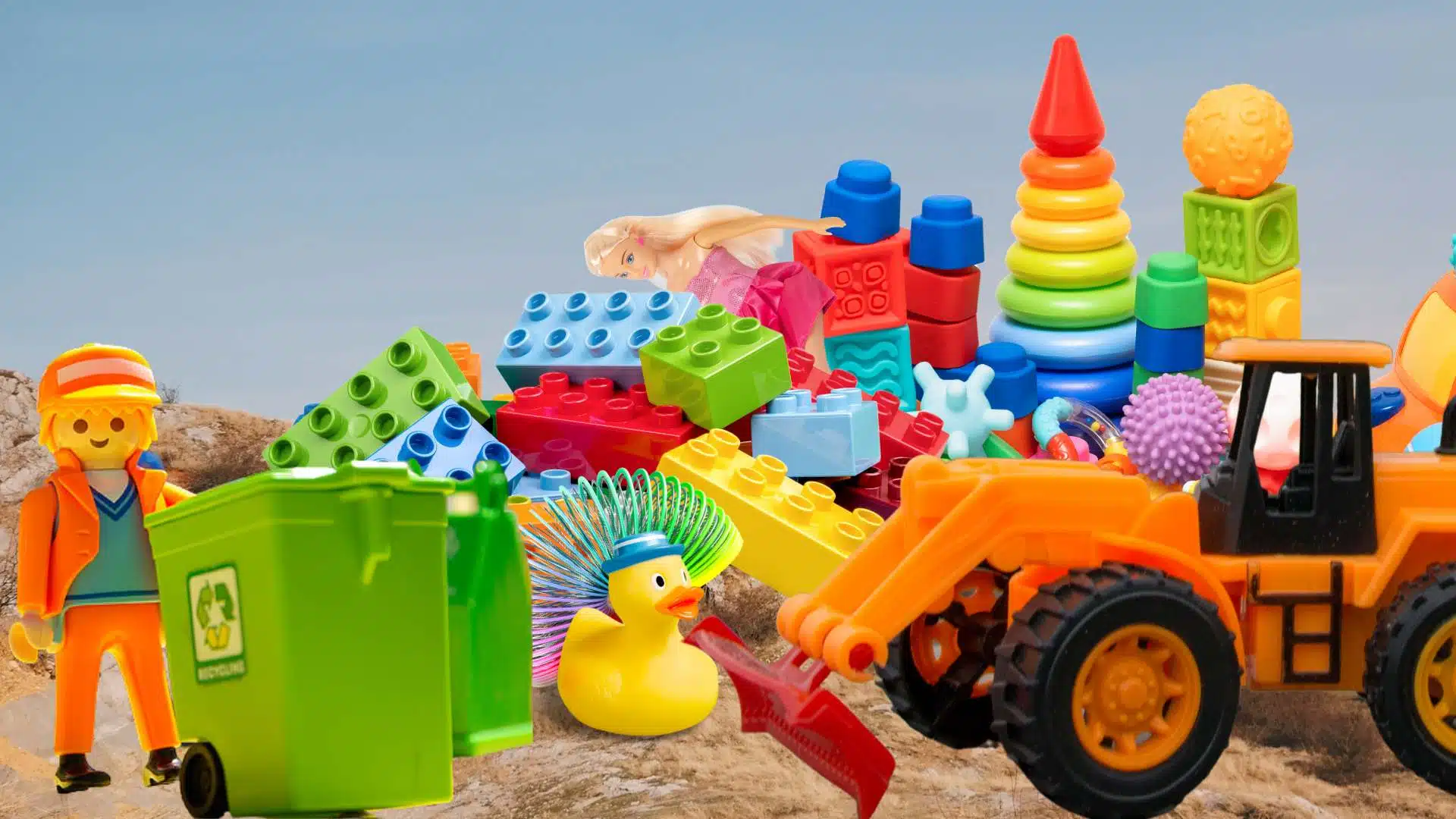
- Plastic Toys: Plastic is derived from petroleum, a non-renewable fossil fuel. The manufacturing process of plastic toys is highly carbon-intensive and releases greenhouse gases. Furthermore, plastic toys are incredibly difficult to recycle due to the mixed materials (metal screws, wires, different types of plastic) they contain. The vast majority of plastic toys end up in landfills or oceans, where they take hundreds of years to break down into harmful microplastics.
6. Cost and Long-Term Value
Budget is a practical consideration for every family. Here, we must look at the difference between upfront cost and long-term value.
Plastic toys are undeniably cheaper upfront. Mass production and cheap raw materials allow manufacturers to sell plastic toys at very low price points. However, because they break easily or lose their appeal quickly as children outgrow specific media trends, parents often find themselves replacing them frequently.
Wooden toys require a higher initial investment. Crafting toys from solid wood involves higher material costs and more labor-intensive manufacturing. However, their extreme durability means they rarely need to be replaced. A single set of wooden blocks can serve multiple children over a decade, making the cost-per-use exceptionally low. They also retain a high resale value in the secondhand market.
---Head-to-Head Comparison Table
To help you quickly weigh the pros and cons of each category, here is a detailed side-by-side comparison:
| Feature | Wooden Toys | Plastic Toys | Winner |
|---|---|---|---|
| Durability | Extremely high; resistant to breaking; can last generations. | Moderate to low; prone to cracking; electronic parts fail easily. | Wooden Toys |
| Chemical Safety | Naturally non-toxic (if using water-based, lead-free finishes). | Risk of BPA, phthalates, and microplastics in lower-quality items. | Wooden Toys |
| Physical Safety | Heavy; potential for bruising if thrown; risk of splinters if damaged. | Lightweight; sharp edges when cracked; choking hazards from small parts. | Tie (Depends on age) |
| Cognitive Development | High; promotes imagination, open-ended play, and problem-solving. | Variable; often limited to cause-and-effect button pressing. | Wooden Toys |
| Sensory Value | Rich tactile feedback (texture, weight, natural scent, warmth). | High visual/auditory feedback; low tactile variety. | Wooden Toys |
| Eco-Friendliness | Biodegradable; renewable resource; low carbon footprint. | Non-biodegradable; fossil-fuel based; contributes to landfill waste. | Wooden Toys |
| Upfront Cost | Higher initial price point. | Budget-friendly and widely accessible. | Plastic Toys |
| Lifespan & Value | Excellent long-term value; high heirloom and resale potential. | Short lifespan; low resale value; frequently discarded. | Wooden Toys |
Age-Appropriate Choices: When to Choose Which?
While wooden toys dominate many comparison categories, plastic toys still have a legitimate place in a child's toy chest. The ideal choice often depends on your child’s developmental stage.
For Infants and Toddlers (0-3 Years)
During this stage, sensory exploration and physical safety are the top priorities. Babies put everything in their mouths, and their motor skills are still developing.
- Best Choice: Wooden Toys. Simple wooden rattles, grasping rings, and solid building blocks are ideal. They are free from toxic chemicals, cannot be easily swallowed, and provide a soothing tactile experience. If you do choose plastic, ensure it is certified BPA-free and has no small, detachable parts.
For Preschoolers (3-5 Years)
This is the golden age of imaginative, cooperative, and constructive play. Children are developing complex language skills and fine motor coordination.
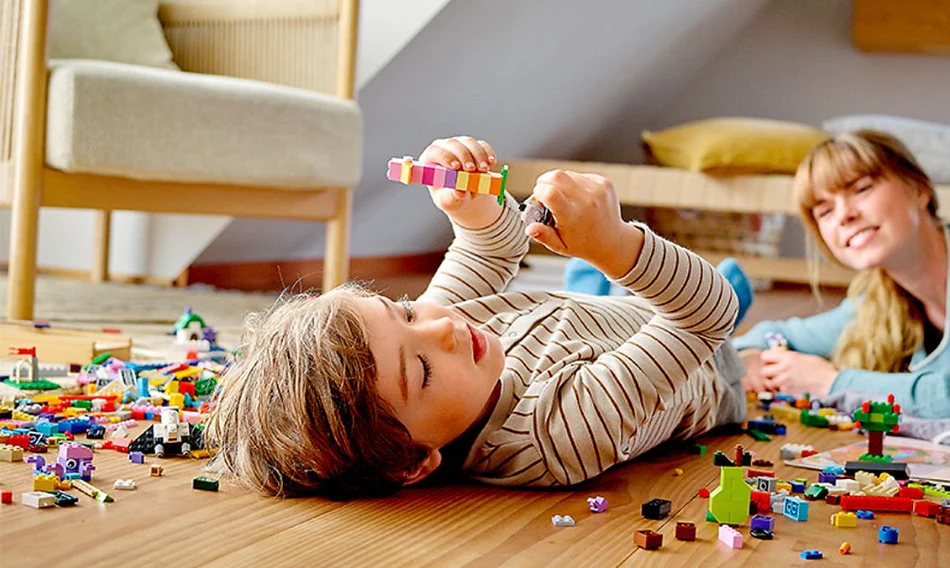
- Best Choice: A Balanced Mix. Wooden toys like train tracks, dollhouses, and play kitchens are fantastic for open-ended storytelling. However, plastic toys such as water-play tables, sand molds, and basic interlocking bricks are also excellent because they are waterproof and allow for highly detailed construction that wood cannot easily replicate.
For School-Aged Children (5+ Years)
Older children are capable of logical reasoning, complex problem-solving, and highly detailed projects.
- Best Choice: Plastic (for specific niches). While wooden board games and complex wooden puzzles are wonderful, plastic excels in this age group for educational kits. Scientific kits, robotic programming sets, and highly intricate model-building systems require the precision, flexibility, and lightweight nature of high-quality plastic.
How to Spot Quality in Both Categories
No matter which material you choose, not all toys are created equal. Here is how to ensure you are buying high-quality, safe products for your children.
What to Look for in Wooden Toys
To ensure your wooden toys are safe and sustainably sourced, look for the following indicators:
- Sustainability Certifications: Look for the FSC (Forest Stewardship Council) label, which guarantees the wood was harvested from responsibly managed forests.
- Non-Toxic Finishes: Check the packaging to ensure the manufacturer uses water-based paints, organic vegetable dyes, or natural beeswax finishes.
- Solid Wood vs. Composite: Prefer solid hardwoods (like beech, maple, or rubberwood) over plywood or MDF (Medium-Density Fibreboard). Composite woods often contain formaldehyde-based glues.
- Smooth Craftsmanship: Run your fingers over the edges to check for any rough spots or potential splinter hazards.
What to Look for in Plastic Toys
If you are purchasing plastic toys, prioritize safety and durability by checking for these factors:
- Chemical Labels: Look for explicit labels stating "BPA-Free," "Phthalate-Free," and "PVC-Free."
- High-Grade Plastics: Choose toys made from ABS plastic or PP (Polypropylene). These are highly durable, impact-resistant, and safer than cheaper plastics.
- Safety Standards: Ensure the toy complies with international safety standards, such as ASTM F963 (USA) or EN71 (Europe), usually indicated by a CE or UKCA mark.
- Sturdy Construction: Avoid thin, brittle plastics that bend or crack easily under pressure. Check that battery compartments are securely locked with screws.
Conclusion: Striking the Perfect Balance
In the debate between wooden and plastic toys, there is no single "correct" answer, but there is a clear trend. Wooden toys are superior in terms of durability, safety, environmental sustainability, and cognitive development. They encourage children to slow down, think creatively, and engage in deep, imaginative play. For parents looking to reduce their environmental impact and create a calm, beautiful home environment, investing in high-quality wooden toys is an excellent choice.
On the other hand, plastic toys offer unmatched versatility, lower upfront costs, and unique opportunities for water play, complex mechanical engineering, and interactive science learning. They are highly accessible and can be incredibly engaging when selected mindfully.
Ultimately, the most successful approach for most modern families is a curated, balanced toy collection. By prioritizing high-quality wooden toys for everyday foundational play (like blocks, vehicles, and puzzles) and selectively incorporating safe, durable, educational plastic toys for specialized activities, you can provide your child with a rich, stimulating, and safe developmental environment.