Artisanal vs. Mass-Produced Home Accessories: The Ultimate Comparison Guide
Home accessories are often described as the jewelry of interior design. Just as a necklace or a watch can transform an outfit, the right selection of vases, cushions, rugs, and wall art can elevate a room from basic to breathtaking. These small but significant elements reflect your personality, tie your color scheme together, and establish the overall mood of your living space.
When curating your home accessories, you will inevitably face a fundamental choice: Should you invest in unique, artisanal handcrafted pieces, or should you opt for the convenience and affordability of mass-produced items? Both approaches offer distinct advantages and drawbacks. This comprehensive guide compares artisanal and mass-produced home accessories across key metrics—including aesthetic value, durability, environmental impact, and cost—to help you make the best decisions for your space and budget.
---Understanding Artisanal Home Accessories
Artisanal home accessories are items crafted by hand or using traditional, non-industrialized methods. These pieces are typically produced by skilled independent craftsmen, artists, or small-scale family workshops. Because they do not rely on heavy machinery or assembly lines, each item carries distinct markers of human touch.
Common Examples of Artisanal Accents
- Hand-Thrown Ceramics: Clay vases, bowls, and mugs shaped on a potter's wheel, featuring unique glaze variations.
- Hand-Woven Textiles: Throw blankets, cushion covers, and rugs created on traditional looms using natural fibers like wool, linen, or organic cotton.
- Hand-Blown Glass: Decorative bottles, glassware, and light fixtures shaped by glassblowers, often containing tiny, charming air bubbles.
- Carved Woodwork: Bowls, trays, and sculptures carved from sustainably sourced timber, highlighting the natural grain patterns.
The Pros of Artisanal Decor
The primary appeal of artisanal home accessories lies in their individuality. No two pieces are exactly alike. When you purchase a handcrafted ceramic vase, you are acquiring a one-of-a-kind functional sculpture. These items possess a tactile warmth and character—often referred to as the beauty of imperfection, or wabi-sabi—that machines cannot replicate.
Furthermore, artisanal accessories are usually made from high-quality, natural materials. Craftsmen tend to prioritize longevity and structural integrity over speed, resulting in heirloom-quality items that can be passed down through generations. Choosing artisanal pieces also supports local economies, preserves traditional crafting techniques, and ensures fair wages for creators.
The Cons of Artisanal Decor
The most significant barrier to acquiring artisanal accessories is the cost. Because of the labor-intensive production process and high-quality materials, these items carry a premium price tag. Additionally, artisanal products are not readily available in unlimited quantities. You may have to wait weeks for a custom order, or spend time hunting through local markets, boutique shops, and online artisan platforms to find the perfect piece.
---Understanding Mass-Produced Home Accessories
Mass-produced home accessories are manufactured in large quantities, typically in automated factories using standardized molds, synthetic materials, and assembly-line processes. These products are designed to meet global demand and are distributed through major retail chains and online department stores.
Common Examples of Mass-Produced Accents
- Molded Plastic and Resin Decor: Highly detailed figurines, trays, and organizers made from synthetic polymers.
- Machine-Woven Textiles: Rugs and throw pillows made from polyester, nylon, or acrylic, featuring digitally printed patterns.
- Stamping and Machine-Cut Metalware: Identical metal candle holders, picture frames, and wall grilles cut and finished by industrial machinery.
- Uniform Glass and Ceramics: Slip-cast vases and tableware produced in thousands of identical units with flawless, uniform finishes.
The Pros of Mass-Produced Decor
The greatest advantages of mass-produced home accessories are affordability and accessibility. Because factories benefit from economies of scale, they can produce stylish items at a fraction of the cost of handmade goods. If you want to refresh your living room for a new season on a tight budget, mass-market retailers offer thousands of options that align with current interior design trends.
Consistency is another major benefit. If you buy a set of six mass-produced dining chairs or matching ceramic coasters, you can be certain that every single item will look identical in shape, size, and color. Buying these products is also incredibly convenient; you can walk into a local big-box store or click a button online and have the items delivered to your doorstep within days.
The Cons of Mass-Produced Decor
Mass-produced accessories often lack soul and individuality. Because they are designed for the masses, your home may end up looking remarkably similar to thousands of other households. Additionally, to keep retail prices low, manufacturers frequently use cheaper, synthetic materials like plastics, particleboard, and low-grade polyester. These materials do not age well; they tend to chip, fray, or fade quickly, leading to a shorter product lifespan and contributing to the growing problem of "fast homeware" waste in landfills.
---Key Comparison Metrics
To help you decide which category of home accessories aligns with your design goals and lifestyle, let’s compare them across four critical areas.
1. Aesthetic Value and Visual Impact
The aesthetic difference between artisanal and mass-produced accessories comes down to character versus perfection. Artisanal pieces act as conversation starters. A hand-knotted wool rug or a hand-painted ceramic planter has a physical presence that draws the eye. The slight variations in color, texture, and form tell a story of human craftsmanship, adding depth and warmth to a room.
Mass-produced accessories, on the other hand, excel at clean lines and trendy aesthetics. If you love sleek, ultra-modern, or highly symmetrical styles, factory-made items provide the flawless finishes required for these looks. However, a room decorated exclusively with mass-produced items can sometimes feel sterile, impersonal, or like a page torn straight out of a commercial catalog.
2. Durability and Material Quality
Material selection is where the two categories diverge sharply. Artisanal creators generally work with raw, organic materials such as solid hardwood, genuine leather, pure linen, clay, and stone. These materials are inherently durable and often develop a beautiful patina over time, looking better as they age.
In contrast, mass production relies heavily on engineered materials designed for cheap shipping and easy fabrication. Synthetic fibers, veneered particleboard, and lightweight plastics are common. While these materials look excellent brand new, they do not withstand wear and tear well. A polyester throw pillow may pill after a few washes, and a plastic-framed mirror may crack easily, requiring frequent replacements.
3. Environmental Impact and Sustainability
Sustainability has become a major consideration for modern homeowners. Artisanal production is inherently more eco-friendly. It usually relies on local sourcing, which reduces transportation emissions. Furthermore, because artisans produce items in small batches, there is very little material waste. The long lifespan of handmade accessories also means they stay out of landfills for decades.
Mass production has a much larger carbon footprint. The manufacturing process often involves fossil-fuel-guzzling factories, chemical dyes, and synthetic polymers that do not biodegrade. Additionally, the global shipping networks required to distribute these products generate massive greenhouse gas emissions. The "buy-and-toss" culture encouraged by cheap, trend-focused home accessories contributes significantly to global environmental degradation.
4. Cost and Long-Term Value
While mass-produced accessories win on upfront cost, artisanal accessories often win on long-term value. Consider this comparison: you could buy a cheap, mass-produced particleboard side table for $40 that lasts two years before the laminate begins to peel. Alternatively, you could invest $300 in a hand-carved solid wood stool that lasts a lifetime and can even be resold as a vintage piece later. When viewed through the lens of cost-per-use, high-quality artisanal pieces are frequently the smarter financial investment over time.
---Artisanal vs. Mass-Produced Comparison Table
The table below summarizes the key differences between these two categories of home accessories to help you quickly evaluate your options:
| Feature | Artisanal Home Accessories | Mass-Produced Home Accessories |
|---|---|---|
| Production Method | Handcrafted, small-batch, traditional techniques. | Automated, assembly-line, large-scale manufacturing. |
| Primary Materials | Natural (solid wood, linen, clay, wool, stone). | Synthetic/Engineered (plastics, polyester, MDF, resin). |
| Uniqueness | Extremely high; each piece has unique variations. | Low; thousands of identical units are produced. |
| Durability | High; built to last and often heirloom-quality. | Low to moderate; prone to quicker wear and tear. |
| Environmental Impact | Low; localized sourcing, minimal waste, biodegradable materials. | High; fossil-fuel energy, synthetic waste, high shipping emissions. |
| Upfront Price | Premium / Investment pricing. | Budget-friendly / Highly affordable. |
| Best Suited For | Statement pieces, focal points, and sustainable living. | Basic essentials, temporary setups, and highly trendy accents. |
How to Mix and Match Both Styles in Your Home
You do not have to choose exclusively one or the other. In fact, the most beautiful, lived-in homes successfully blend both artisanal and mass-produced elements. This approach, often called "high-low styling," allows you to create a curated, high-end look without blowing your entire budget. Here are some practical tips for combining both types of accessories in your space.
The 80/20 Rule of Home Styling
A great rule of thumb is to dedicate 80% of your budget or decor volume to reliable, classic, mass-produced basics, and reserve the remaining 20% for high-impact, artisanal statement pieces. This ensures your home feels grounded and functional while still possessing unique character.
Where to Invest (Go Artisanal)
Invest in accessories that are highly visible, frequently touched, or serve as the focal point of a room. These are the items that define the quality of your space:
- Living Room Rugs: A hand-knotted wool rug feels luxurious underfoot and anchors the entire seating area. It is worth investing in a handmade piece because of its durability in high-traffic zones.
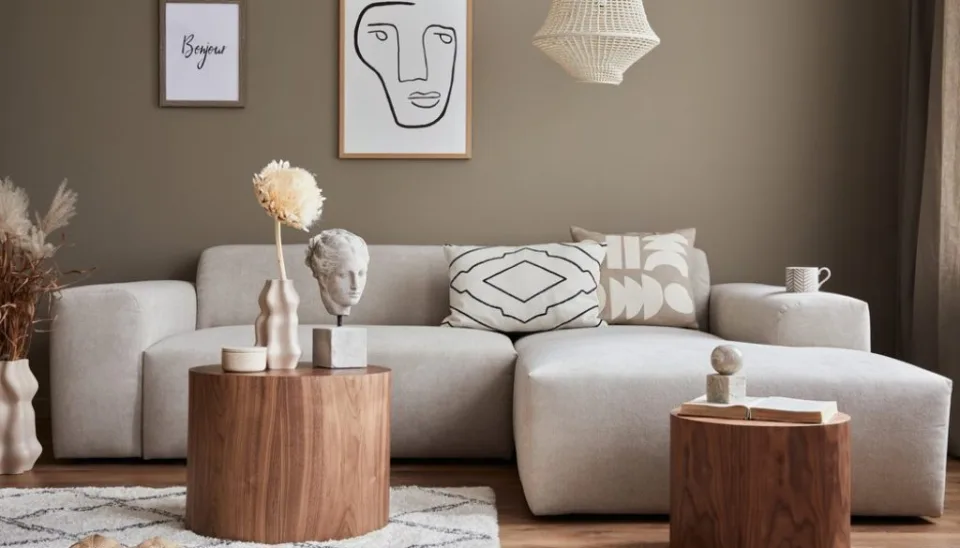
- Coffee Table Centerpieces: Your coffee table is a natural focal point. Placing a hand-thrown ceramic bowl or a hand-carved wooden tray here immediately elevates the surrounding space.
- Main Wall Art: Original paintings, hand-woven wall tapestries, or artisanal metal sculptures add texture and depth that flat, mass-printed canvases simply cannot match.
- Lighting: A hand-blown glass pendant light or a ceramic table lamp with a unique glaze adds architectural interest even when turned off.
Where to Save (Go Mass-Produced)
Save your money on utilitarian items, filler decor, or pieces that are easily hidden or frequently changed:
- Cushion Inserts: While the outer cushion cover should ideally be a beautiful, textured textile, the inner cushion pad can easily be a cheap, mass-produced feather or synthetic insert.
- Basic Picture Frames: If you are creating a large gallery wall, buying identical, mass-produced black or wooden frames is a cost-effective way to achieve a clean, cohesive look.
- Storage Baskets: Simple wire, plastic, or canvas storage bins used inside closets or under beds do not need to be artisanal. Mass-produced options work perfectly for organizing.
- Seasonal Accents: If you love decorating for specific holidays or seasons (like autumn or spring), mass-produced items are perfect. Since these items are only displayed for a few weeks a year, you do not need to invest heavily in them.
Layering Textures for a Balanced Look
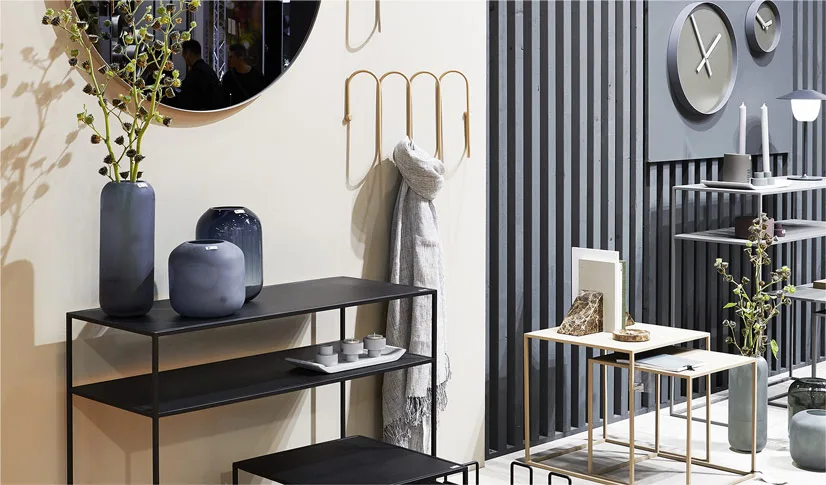
To make mass-produced items look more expensive, layer them directly with artisanal textures. For example, place a sleek, factory-made metal side table next to a sofa, and top it with a handmade ceramic vase filled with dried wildflowers. The contrast between the smooth, perfect metal and the rustic, organic clay creates visual tension that makes the entire setup look incredibly stylish and intentional.
---Making the Right Choice for Your Lifestyle
Ultimately, the choice between artisanal and mass-produced home accessories depends on your current life stage, budget, and personal values.
If you are renting an apartment temporarily, moving frequently, or decorating a child's playroom, mass-produced accessories offer the flexibility and low financial risk you need. You can easily update your style as trends change without feeling guilty about the investment.
However, if you are settling into a long-term home, value sustainability, and want to cultivate a highly personalized environment, investing in artisanal home accessories is the way to go. These pieces will grow with you, telling the story of your travels, your tastes, and your appreciation for human craftsmanship.
By understanding the strengths of both design approaches and learning how to blend them strategically, you can design a beautiful, functional, and soulful home that fits your budget perfectly.