Chemical Exfoliants vs. Physical Scrubs: Which is Better for Your Skin?
Achieving a radiant, smooth complexion is the primary goal of any skincare routine. Among the many steps involved in skin maintenance, exfoliation stands out as a critical process. By removing the buildup of dead skin cells on the surface of the epidermis, exfoliation helps unclog pores, improve texture, and enhance the absorption of serums and moisturizers. However, the skincare world is divided into two primary camps: Chemical Exfoliants and Physical Scrubs. Choosing the right method can be the difference between a glowing complexion and a compromised skin barrier.
Understanding Physical Exfoliation: The Mechanical Approach
Physical exfoliation, often referred to as manual exfoliation, involves using a textured substance or tool to physically buff away dead skin cells. This category includes face scrubs containing beads, nut shells, sugar, or salt, as well as tools like cleansing brushes, washcloths, and loofahs.
How Physical Scrubs Work
The mechanism behind physical scrubs is simple: friction. When you massage these products onto your skin, the abrasive particles lift off the outermost layer of dead cells. This provides an immediate sense of smoothness and a polished appearance. It is a satisfying, tactile experience that many users enjoy because they can feel the product working in real-time.
The Pros and Cons of Physical Exfoliation
- Pros: Immediate results, affordable, easy to use, and great for quick "pick-me-up" treatments.
- Cons: Risk of micro-tears in the skin, can be overly abrasive for sensitive skin types, and may cause irritation or inflammation if used too vigorously.
Understanding Chemical Exfoliation: The Scientific Approach
Chemical exfoliation may sound intimidating, but it is often considered the gold standard by dermatologists. Instead of using friction, these products use acids or enzymes to dissolve the "glue" that holds dead skin cells together, allowing them to slough off naturally.
Common Types of Chemical Exfoliants
Chemical exfoliants are primarily divided into three categories based on their solubility and function:
- Alpha Hydroxy Acids (AHAs): Water-soluble acids like Glycolic and Lactic acid. These work on the surface of the skin, making them ideal for brightening, evening out skin tone, and smoothing fine lines.
- Beta Hydroxy Acids (BHAs): Oil-soluble acids, most commonly Salicylic acid. Because they are oil-soluble, they can penetrate deep into the pores, making them the best choice for oily, acne-prone skin.
- Poly Hydroxy Acids (PHAs): Larger molecules that exfoliate more gently, making them perfect for those with highly sensitive skin or rosacea.
The Pros and Cons of Chemical Exfoliation
- Pros: More uniform exfoliation, addresses deeper skin concerns (like acne and hyperpigmentation), and generally less irritating when used correctly.
- Cons: Can cause sun sensitivity, requires a learning curve to find the right percentage, and may cause "purging" when first introduced.
Comparison Table: Physical vs. Chemical Exfoliation
| Feature | Physical Scrubs | Chemical Exfoliants |
|---|---|---|
| Mechanism | Manual friction/abrasion | Dissolving bonds (enzymatic/acidic) |
| Best For | Body skin, thick/oily skin types | Face, sensitive skin, acne, anti-aging |
| Precision | Low (easy to over-scrub) | High (targeted acid percentages) |
| Risk Factor | High (micro-tears) | Moderate (chemical burns if misused) |
| Long-term Benefit | Surface smoothness | Cell turnover, collagen stimulation |
How to Choose the Right Method for Your Skin Type
The "best" method is subjective and depends entirely on your unique skin profile. Here is how to navigate the choice:
For Oily and Acne-Prone Skin
If you struggle with blackheads and congested pores, chemical exfoliation is superior. BHAs (Salicylic acid) are specifically designed to travel into the pore lining and dissolve the sebum and debris causing the blockage. Physical scrubs may push bacteria deeper into the pore, potentially worsening active breakouts.
For Dry and Sensitive Skin
Those with sensitive skin should approach physical scrubs with extreme caution. The friction can exacerbate redness and disrupt the skin's moisture barrier. Instead, look for gentle PHAs or Lactic acid. These provide hydration while exfoliating, ensuring the skin doesn't feel tight or stripped after the process.
For Mature Skin
As we age, cell turnover naturally slows down. AHAs like Glycolic acid are excellent for mature skin as they not only remove dead cells but also signal the skin to produce more collagen, helping to reduce the appearance of wrinkles over time.
Best Practices for a Safe Exfoliation Routine
Regardless of which method you choose, consistency and safety are paramount. Over-exfoliation is a common mistake that leads to a damaged skin barrier, characterized by stinging, redness, and excessive dryness.
The Golden Rules of Exfoliation
- Don’t Overdo It: Exfoliation should generally be limited to 1–3 times per week. Daily exfoliation, especially with chemical acids, is rarely recommended unless the product is specifically formulated for daily use at a very low concentration.
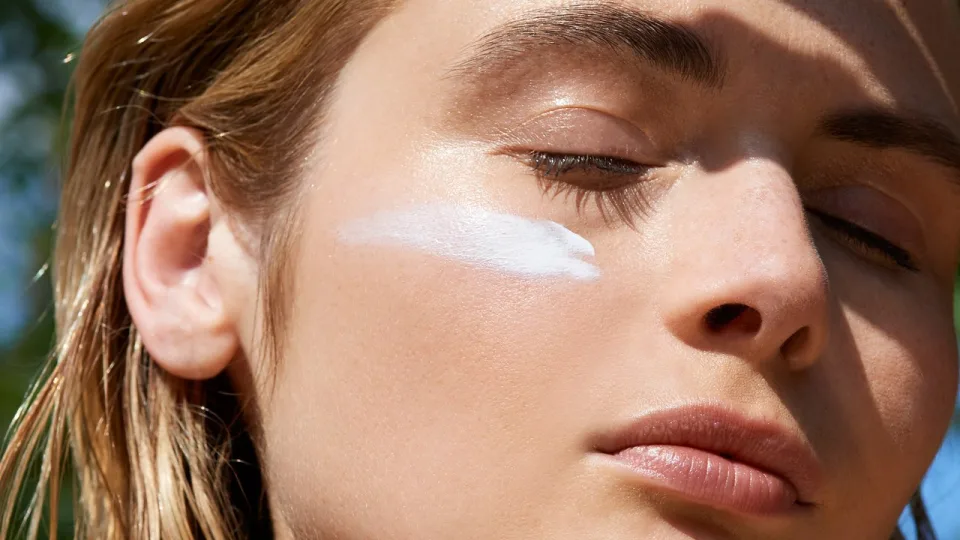
- Always Use SPF: Chemical exfoliants remove the top layer of dead skin, which makes your fresh, new skin cells more vulnerable to UV damage. Wearing broad-spectrum sunscreen is non-negotiable.
- Listen to Your Skin: If your skin feels tight, looks shiny in a way that isn't healthy, or stings when you apply other products, stop exfoliating immediately. Give your skin a week to recover with gentle, barrier-repairing moisturizers.
- Patch Test: Before applying a new chemical exfoliant to your entire face, apply a small amount behind your ear or on your inner forearm to check for adverse reactions.
The Future of Exfoliation: Combining Approaches
In recent years, the skincare industry has seen a shift toward hybrid products. Many modern formulations now combine low-level chemical exfoliants with gentle physical elements (like soft jojoba beads or fruit enzymes) to provide a "best of both worlds" experience. However, for most dermatologists, the trend remains clear: chemical exfoliation is the safer, more effective route for long-term skin health.
If you are currently using a physical scrub and enjoying it, there is no immediate need to discard it, provided you are using it gently and not experiencing irritation. However, if you are looking to address specific concerns like hyperpigmentation, fine lines, or stubborn acne, transitioning to a chemical exfoliant will likely yield better, more sustainable results.
Conclusion: The Path to Glowing Skin
Both physical scrubs and chemical exfoliants serve a purpose in the vast world of skincare. Physical scrubs offer a satisfying, immediate manual clean, while chemical exfoliants provide a sophisticated, deep-reaching solution to complex skin concerns. By understanding your skin type—whether it is oily, dry, sensitive, or mature—you can make an informed decision that prioritizes the health of your skin barrier. Remember, the goal of exfoliation is to reveal your skin’s natural glow, not to strip it away. Start slow, stay consistent, and always protect your skin with SPF.