Elevating Your Living Space: A Comprehensive Guide to Choosing the Best Home Accessories
The difference between a house that feels like a temporary shelter and a home that reflects your soul lies in the details. Home accessories are the finishing touches that breathe life into a room, adding texture, color, and functionality. However, with an overwhelming array of options available, choosing the right pieces can be daunting. Whether you are looking to refresh a tired living room or styling a new apartment, understanding how to compare different types of decor is essential for creating a cohesive space.
In this guide, we explore the most popular categories of home accessories, comparing materials, styles, and functional benefits to help you make informed decisions that elevate your interior design.
Textiles: Throw Pillows vs. Decorative Blankets
Textiles are the most effective way to introduce softness and color into a room. Two of the most common accessories in this category are throw pillows and decorative blankets (throws). While both serve a similar purpose, they function differently in your design scheme.
Throw Pillows: The Versatile Accents
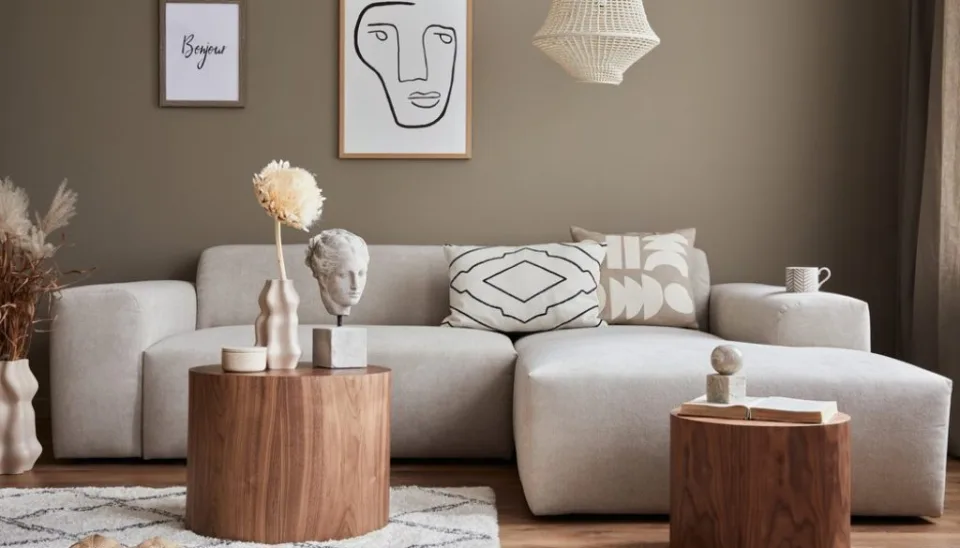
Throw pillows are the easiest way to experiment with trends. Because they are relatively inexpensive and easy to swap, they allow you to change the "vibe" of a room seasonally. A velvet pillow in a deep emerald tone can make a space feel moody and luxurious in the winter, while linen covers in light pastels can brighten a room for spring.
Decorative Blankets: The Texture Experts
Blankets add an element of "hygge" or comfort that pillows cannot replicate. They are primarily about texture—chunky knits, faux fur, or woven cotton. When draped over an armchair or the back of a sofa, they create an inviting visual layer that suggests relaxation.
| Feature | Throw Pillows | Decorative Blankets |
|---|---|---|
| Primary Function | Support and Color Pop | Warmth and Texture |
| Styling Ease | High (Easy to swap covers) | Moderate (Requires folding/draping) |
| Visual Impact | Structured and Patterned | Organic and Soft |
Wall Decor: Gallery Walls vs. Oversized Statement Art
Walls are often the most underutilized real estate in a home. When it comes to wall decor, the debate usually centers on the "more is more" approach of a gallery wall versus the "minimalist impact" of a single, oversized piece of art.
The Case for Gallery Walls
Gallery walls are perfect for storytelling. They allow you to combine personal photographs, prints, and even 3D objects like wall-mounted sculptures. This approach is ideal for eclectic, bohemian, or maximalist homes. The challenge, however, is balance; a poorly planned gallery wall can look cluttered and chaotic.
The Case for Oversized Statement Art
A single, large-scale piece of art creates an immediate focal point. It commands attention and provides a sophisticated, gallery-like atmosphere. This is the preferred choice for modern, minimalist, or industrial interiors where clean lines are prioritized. An oversized piece requires less maintenance and prevents the visual noise associated with smaller frames.
Lighting: Floor Lamps vs. Table Lamps
Lighting is the "jewelry" of a room. It determines how you perceive colors, textures, and even the size of your space. Choosing between floor lamps and table lamps depends largely on the functionality of the room.
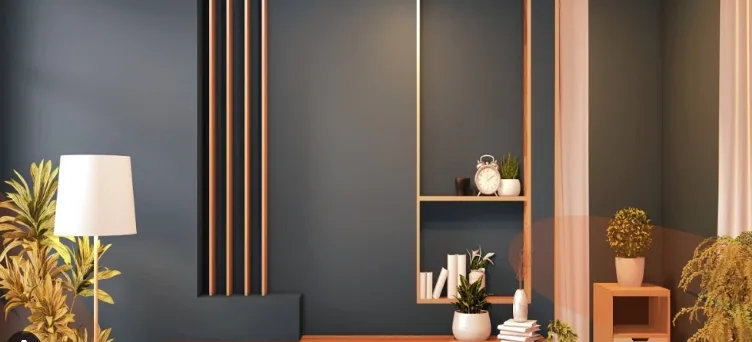
- Floor Lamps: Best for filling empty corners and providing ambient light. They are architectural statements that can act as sculptures in their own right. If you have a reading nook, a floor lamp with an adjustable arm is a functional necessity.
- Table Lamps: These are essential for creating "task lighting" and warmth. They provide a softer, more localized glow that makes a room feel intimate. Table lamps are perfect for bedside tables, sideboards, or console tables where space is limited.
Materials Matter: Natural vs. Synthetic Accessories
When shopping for home accessories, the material composition is a critical factor in both aesthetics and longevity. The current trend heavily favors natural materials, but synthetic options have their place in high-traffic homes.
The Appeal of Natural Materials
Wood, stone, rattan, wool, and linen bring an organic, grounded feel to a home. They age gracefully, developing a patina over time that adds character. For instance, a marble decorative bowl or a jute rug will always feel timeless, regardless of fleeting trends.
The Utility of Synthetic Materials
Synthetic materials—such as polyester blends, acrylic, or powder-coated metals—offer durability and ease of cleaning. If you have pets or small children, a stain-resistant synthetic throw or an acrylic side table might be a more practical investment than delicate natural silk or untreated wood.
How to Curate Your Home Accessories Like a Pro
Even the most beautiful accessories can look out of place if they aren't curated thoughtfully. Follow these professional tips to ensure your home decor feels intentional.
1. The Rule of Three
When arranging objects on a coffee table or shelf, group items in odd numbers. The number three is visually balanced and creates a more natural, dynamic composition than even-numbered groupings. For example, combine a tall vase, a small candle, and a stack of books.
2. Play with Scale and Height
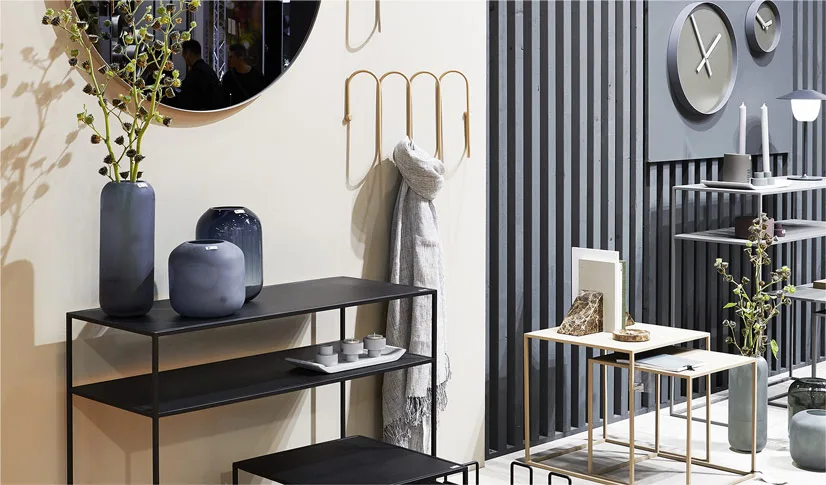
One of the biggest mistakes in home styling is using items that are all the same height. To create visual interest, you need a mix of vertical and horizontal lines. Place a tall plant next to a low-profile bowl, or lean a large framed print against a wall behind smaller objects.
3. Consider Negative Space
Just as important as the accessories you choose is the space you leave empty. Do not feel the need to fill every inch of your surfaces. Negative space allows the eye to rest and prevents your home from feeling like a storage unit for decor.
Seasonal Transitions: Adapting Your Decor
Home accessories should not be static. One of the best ways to keep your home feeling fresh is to rotate your accessories based on the season. This doesn't mean buying new items every few months; it means storing away certain pieces and bringing out others.
In the spring and summer, swap heavy wool blankets for light cotton throws, and replace dark, metallic accessories with bright, colorful glass or ceramic pieces. In the autumn and winter, bring out the textured cushions, velvet fabrics, and warm-toned lighting to create a cozy, sheltered environment.
Sustainable Shopping in the Home Accessory Niche
As sustainability becomes a priority for many homeowners, the way we source our accessories is shifting. Instead of buying cheap, mass-produced items that are destined for a landfill in a year, consider the following:
- Prioritize Quality over Quantity: Invest in one high-quality, artisanal piece rather than five cheap alternatives.
- Support Local Artisans: Handcrafted items often have a lower carbon footprint and come with a story, adding personal value to your home.
- Upcycle and Repurpose: Look for vintage treasures at flea markets or give old items a new lease on life with a coat of paint or new hardware.
Final Thoughts on Finding Your Style
The journey to finding the perfect home accessories is deeply personal. There is no "correct" way to decorate; the goal is to create a space that supports your lifestyle and brings you joy. Whether you gravitate toward the clean lines of Scandinavian design, the warmth of Mid-Century Modern, or the layered complexity of Bohemian style, the principles of balance, texture, and scale remain universal.
Start small. Begin by assessing the rooms you spend the most time in. Identify where you need more warmth, more light, or more personality. By comparing your options—whether it’s choosing between a gallery wall and a statement piece, or deciding between natural fibers and synthetic durability—you are taking the first steps toward creating a home that is uniquely yours. Remember, the best home accessories are those that reflect your personality and make your daily life just a little bit more beautiful.