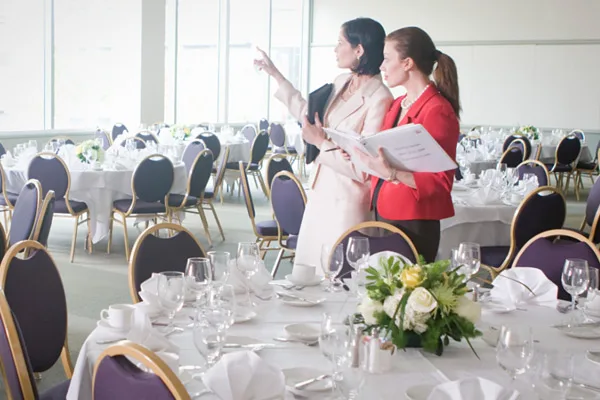
Event Planning Mastery: In-House Coordination vs. Professional Event Planners
Planning an event is a multifaceted endeavor that requires precision, creativity, and an immense amount of logistical coordination. Whether you are organizing a high-stakes corporate conference, a dream wedding, or an intimate product launch, the question often arises: Should you manage the logistics in-house, or should you hire a professional event planner? This decision can fundamentally alter the trajectory of your event, impacting everything from your stress levels to the final return on investment.
In the world of event management, there is no one-size-fits-all solution. Both approaches come with distinct advantages and challenges. This guide provides an in-depth comparison to help you navigate the complexities of event planning, ensuring you choose the path that best aligns with your goals, budget, and vision.
Understanding the Role of Professional Event Planners
Professional event planners are specialists trained in the art of orchestrating complex gatherings. Their expertise extends far beyond simple task management; they are strategic partners who handle vendor negotiations, risk management, budget allocation, and on-site execution. When you hire an event planner, you are essentially purchasing peace of mind and access to a curated network of industry professionals.
The primary value proposition of a professional planner is their ability to foresee potential bottlenecks before they occur. With years of experience in the industry, they understand the intricacies of venue logistics, audio-visual requirements, and guest experience design. They act as a single point of contact, streamlining communication and ensuring that every detail is aligned with the event's core objectives.
The In-House Coordination Approach
In-house coordination involves managing the event using internal resources, such as an administrative team, a marketing department, or personal effort. This approach is often favored for smaller, recurring events or when organizations have a dedicated internal team with experience in event logistics. The primary draw of in-house planning is total control and the ability to maintain the internal company culture or personal touch without external interference.
However, in-house planning can be a significant drain on internal resources. When employees are tasked with event planning alongside their daily responsibilities, productivity in other areas often suffers. Furthermore, without a deep network of reliable vendors, in-house teams may struggle to negotiate pricing or resolve unexpected crises that arise during the planning phase.
Comparative Analysis: Professional Planners vs. In-House Teams
To help you make an informed decision, the following table outlines the key differences across essential planning categories.
| Feature | Professional Event Planners | In-House Coordination |
|---|---|---|
| Industry Network | Extensive; access to vetted vendors | Limited; reliance on personal research |
| Cost Efficiency | High; can leverage bulk discounts | Variable; hidden costs in staff time |
| Stress Management | Low; managed by experts | High; added burden on staff |
| Risk Mitigation | Proactive; professional experience | Reactive; learning on the job |
| Customization | Expertly tailored to goals | Personalized but limited by skill |
Key Factors Influencing Your Decision
When deciding between a professional planner and an in-house team, you must evaluate several critical variables that will dictate the success of your event.
1. Complexity and Scale
If your event involves multiple breakout sessions, international speakers, complex AV requirements, or a guest list exceeding 200 people, the complexity often exceeds the capacity of a standard in-house team. Large-scale events require a dedicated project management framework that professional planners are equipped to provide.
2. Budget Constraints
While hiring a planner adds an upfront cost, professional planners often save money in the long run. Their industry relationships allow them to secure preferred pricing, avoid "rookie mistakes" that lead to costly last-minute fixes, and manage budgets with strict adherence to financial targets. Conversely, in-house planning may appear cheaper initially but can become expensive due to inefficient vendor choices or missed opportunities for cost savings.
3. The Cost of Opportunity
Consider the time investment required for planning. If your core business is not event management, every hour spent coordinating catering or sourcing decor is an hour taken away from your primary business operations. For many organizations, the "hidden cost" of lost productivity outweighs the fee of a professional event planner.
Emerging Trends in Event Planning
The landscape of event planning is constantly evolving. Whether you choose a professional or manage it yourself, staying abreast of current trends is essential for a successful event.
- Hybrid Integration: The demand for high-quality virtual components alongside in-person experiences is at an all-time high. Professional planners are now experts in bridging this gap.
- Sustainability: There is a growing shift toward "green" events. Planners are increasingly tasked with minimizing waste, sourcing local food, and choosing eco-conscious venues.
- Experiential Design: Attendees are no longer satisfied with passive participation. Modern events focus on interactive workshops, immersive environments, and personalized guest journeys.
- Data-Driven Decisions: Using attendee analytics and post-event surveys to measure ROI has become standard practice for high-impact events.
Common Pitfalls to Avoid
Regardless of the path you choose, there are common mistakes that can derail even the most well-intentioned event plans. Avoiding these pitfalls is crucial for success.
Underestimating the Timeline
One of the most frequent errors is failing to allocate enough time for planning. A professional planner will create a detailed timeline, ensuring that every milestone is met. In-house teams often underestimate the lead time required for venue bookings, marketing, and vendor logistics, leading to a rushed and chaotic execution.
Lack of Clear Objectives
Before planning begins, you must define what success looks like. Is the goal brand awareness, lead generation, or team building? Without clear KPIs (Key Performance Indicators), it is impossible to measure the effectiveness of the event, regardless of who is running it.
Ignoring Contingency Planning
What happens if the keynote speaker cancels? What if the AV equipment fails? Professional planners are trained to create "Plan B" scenarios for every critical element. In-house teams, while capable of basic planning, often lack the experience to develop robust contingency strategies for high-pressure situations.
Making the Final Choice
To determine the right path for your specific needs, ask yourself the following questions:
- Does my team have the capacity to handle this without compromising their primary duties?
- Is the event high-stakes enough that a failure would damage our reputation or bottom line?
- Do we have an existing network of vendors that we trust, or would we be starting from scratch?
- Is the event budget flexible enough to accommodate professional fees in exchange for lower risk?
If your answers point toward a high-stakes, complex, or time-sensitive project, hiring a professional event planner is almost always the superior choice. They bring a level of expertise, vendor leverage, and risk management that is difficult to replicate internally. However, for smaller, recurring, or highly internal-focused events, in-house coordination can be a cost-effective and rewarding experience if managed with the right tools and planning processes.
Conclusion
The choice between hiring professional event planners and managing the process in-house is a strategic one. Professional planners provide the safety net, the industry connections, and the creative vision required for large or high-impact events. In-house teams provide control and internal alignment for smaller, more intimate projects. By understanding your own resources, the scale of your event, and the potential risks involved, you can make a decision that ensures your event is not only successful but also a stress-free experience for everyone involved.
Regardless of your final decision, remember that the foundation of any great event is meticulous planning, clear communication, and a focus on the guest experience. Whether you are leading the charge yourself or partnering with an expert, keeping these principles at the forefront will lead you to a successful event outcome.