The Ultimate Guide to Choosing the Best Event Planners and Essential Tools for Success
Planning an event is a complex undertaking that requires precision, creativity, and logistical expertise. Whether you are organizing a corporate gala, a wedding, or a small private gathering, the difference between a chaotic day and a seamless experience often lies in the quality of the event planners you hire or the tools you utilize to manage the process. In this guide, we explore the best practices for selecting event planners and the top-tier products that define the industry’s gold standard.
Understanding the Role of Professional Event Planners
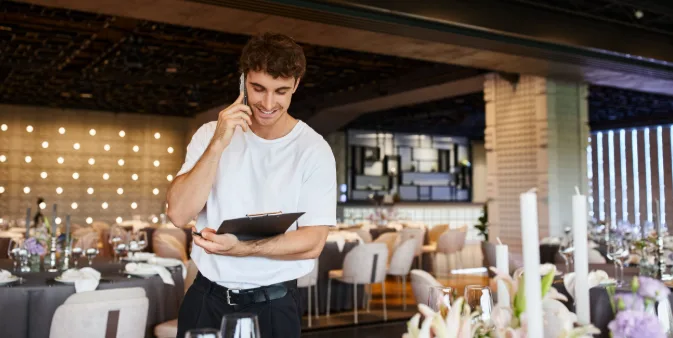
An event planner is more than just an organizer; they are the architect of your experience. They handle everything from vendor negotiations and budget management to on-site crisis resolution. When searching for the best event planners, you are essentially looking for a partner who can translate your vision into a tangible, memorable reality.
The best professionals in this field share a common set of traits: exceptional communication skills, a vast network of reliable vendors, and an uncanny ability to stay calm under pressure. Before hiring, it is essential to define the scope of your event to ensure the planner’s expertise aligns with your specific needs.
Top Categories of Event Planners
Not all event planners are created equal. To find the best fit, you must categorize them based on their primary area of focus. Understanding these categories will help you narrow down your search effectively.
- Corporate Event Planners: Specialists in conferences, product launches, and trade shows. They prioritize ROI, brand messaging, and professional logistics.
- Wedding Planners: Focus on emotional resonance, aesthetic design, and the intricate coordination of personal milestones.
- Social/Private Event Planners: Experts in birthdays, anniversaries, and intimate gatherings where personalization and creativity are paramount.
- Full-Service Planners: These professionals handle everything from concept to cleanup. They are the best choice for large-scale events where you want a single point of contact.
Essential Tools and Products for Modern Event Planning
Even the best event planners rely on high-quality tools to ensure efficiency. If you are planning an event yourself or assisting a planner, investing in the right products can save you hours of work and prevent common pitfalls.
Must-Have Event Management Software
Technology has revolutionized the way we approach events. The best software solutions today provide real-time updates, guest list management, and budget tracking in one dashboard.
| Tool Category | Primary Benefit | Best For |
|---|---|---|
| Project Management Platforms | Task delegation and timelines | Large-scale corporate events |
| Guest Registration Systems | Automated ticketing and check-in | Conferences and galas |
| Budget Tracking Apps | Real-time expense monitoring | Weddings and private parties |
| Seating Chart Software | Visual layout optimization | Formal dinners and weddings |
How to Evaluate the Best Event Planners: A Checklist
When you reach the stage of interviewing potential planners, it is crucial to go beyond their portfolio. Aesthetics are important, but reliability is non-negotiable. Use this checklist to evaluate your candidates:
- Experience in Your Event Type: Have they successfully executed an event of similar scale and complexity?
- Vendor Relationships: The best planners have long-standing relationships with high-quality caterers, florists, and venues, often securing better rates for you.
- Crisis Management History: Ask for an example of a time something went wrong and how they resolved it. Their problem-solving process is the most valuable service they provide.
- Transparency in Billing: Ensure they provide a clear breakdown of costs and a contract that outlines what happens in the event of a cancellation or change in scope.
Emerging Trends in Event Planning
The event industry is constantly evolving. To ensure your event feels modern and engaging, consider these top trends that the best event planners are currently incorporating into their strategies.
1. Sustainable and Eco-Friendly Events
Sustainability is no longer a niche preference; it is a standard expectation. From digital invitations to locally sourced catering and zero-waste decor, the best planners are finding creative ways to reduce the environmental footprint of large gatherings.
2. Hyper-Personalization
Generic event experiences are becoming a thing of the past. Using data to customize attendee experiences—such as personalized agendas for conferences or bespoke gift bags for wedding guests—creates a deeper connection and a more memorable impact.
3. Hybrid Event Formats
Since the rise of remote work, hybrid events that combine in-person attendance with high-quality virtual components have become essential. The best event planners now specialize in streaming technology, virtual networking rooms, and inclusive engagement strategies for remote participants.
The Best Practices for Budget Management
One of the biggest pain points in event planning is budget overrun. Professional planners follow strict protocols to keep spending under control. If you are managing your own budget, adopt these strategies:
- The 10% Contingency Fund: Always set aside at least 10% of your total budget for unexpected costs.
- Prioritization: Identify the three most important elements of your event (e.g., food, venue, entertainment) and allocate the majority of your budget there, while scaling back on secondary items.
- Contract Negotiation: Never accept the first quote. Work with your planner to negotiate terms, especially regarding volume discounts for catering or room blocks.
Choosing the Right Venue: A Planner’s Perspective
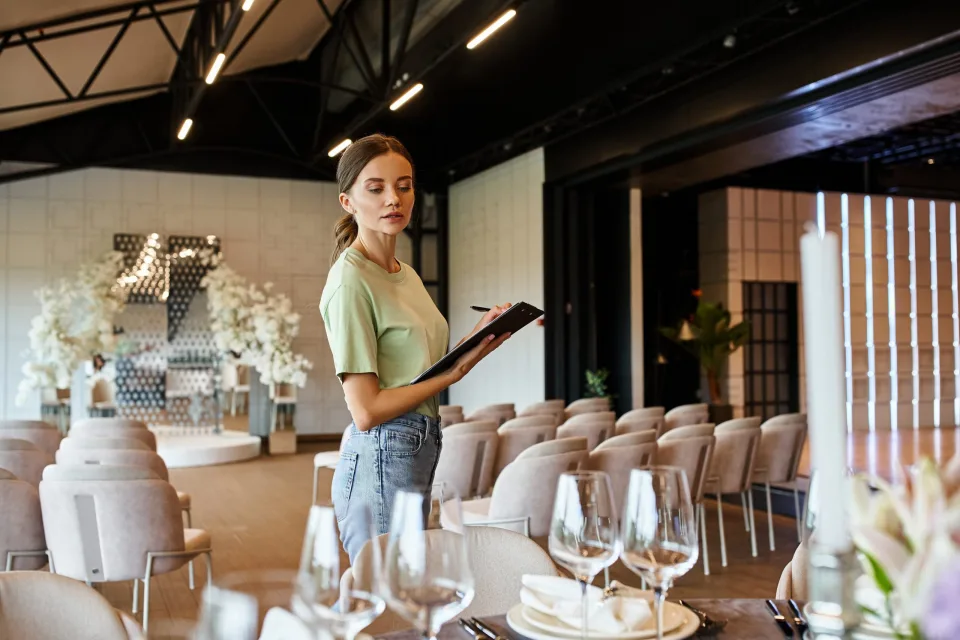
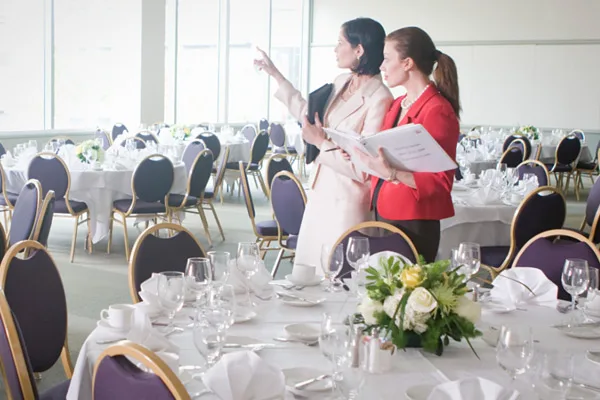
The venue is the foundation of your event. The best event planners will always prioritize logistics over pure aesthetics. A beautiful venue that is difficult for guests to reach or lacks adequate power supply for your audio-visual needs can ruin an otherwise perfect plan.
When scouting locations, consider:
- Accessibility: Is it easy for guests to reach? Is there sufficient parking or proximity to public transport?
- In-house Services: Does the venue provide tables, chairs, and linens? Using in-house equipment is often significantly cheaper than renting from external vendors.
- Flexibility: Are you allowed to bring in your own vendors, or are you tied to their exclusive list?
The Role of Communication in Event Success
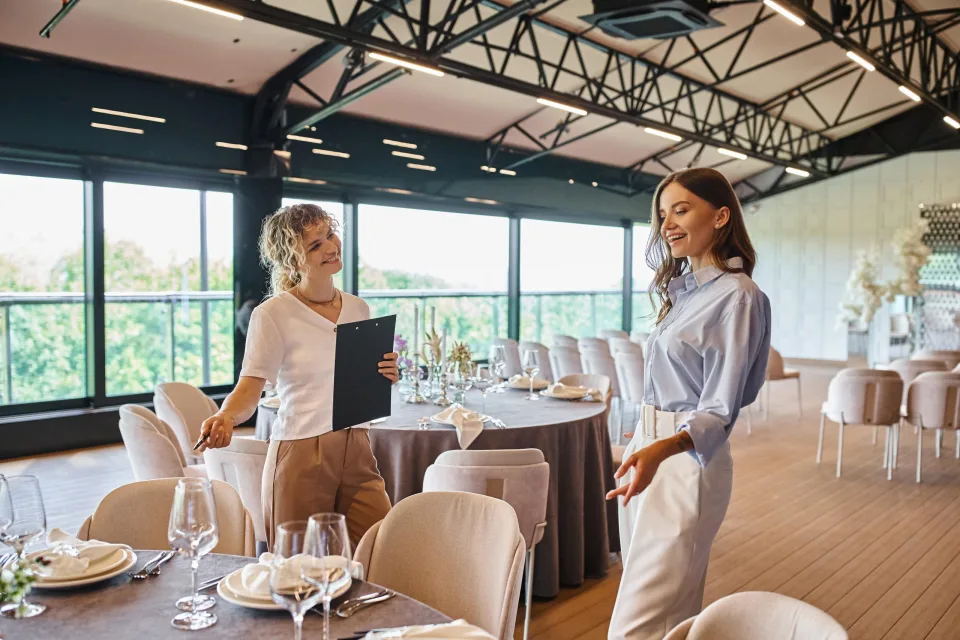
The relationship between a client and their event planner should be built on radical transparency. The best planners provide regular status updates, maintain a shared document for budget tracking, and hold weekly meetings as the event date approaches.
If you find that your planner is difficult to reach or vague about details, it is a red flag. Clear communication ensures that expectations are managed and that any potential issues are addressed long before they become disasters.
Final Thoughts: Investing in Excellence
Whether you choose to hire a professional or tackle the planning yourself, the secret to a successful event is preparation. The best event planners are those who treat your event with the same care as if it were their own. By focusing on organization, leveraging the right technology, and staying ahead of industry trends, you can create an experience that resonates with your guests long after the lights go down.
Remember, the goal of any event is to bring people together and achieve a specific outcome. By following these guidelines and utilizing the best tools available, you are setting yourself up for success, ensuring that your event is not only well-planned but truly exceptional.
Frequently Asked Questions About Event Planners
How much should I expect to pay for an event planner?
Costs vary widely depending on the location, the complexity of the event, and the planner’s level of experience. Some charge a flat fee, while others take a percentage of the total event budget (usually between 10% and 20%). Always clarify the fee structure before signing a contract.
When is the best time to hire an event planner?
The sooner, the better. For large events, hiring a planner 6 to 12 months in advance is ideal. This gives them enough time to secure the best venues and vendors before they are booked up.
Do I really need a professional, or can I do it myself?
If you have a small, simple event, you can certainly manage it yourself with the right tools. However, for complex events with multiple moving parts, vendors, and guests, a professional planner is an investment that usually pays for itself by preventing costly mistakes and saving you valuable time.