Free Weights vs. Machines: Which Is Better for Your Fitness Goals?
The age-old debate in the world of fitness—free weights versus gym machines—has sparked countless arguments in weight rooms across the globe. Whether you are a seasoned bodybuilder or a beginner stepping into a gym for the first time, choosing the right equipment is crucial for your progress, safety, and long-term adherence to a fitness program. But is one inherently superior to the other? The answer is nuanced, as both modalities offer distinct advantages depending on your specific goals, experience level, and physical condition.
In this guide, we will break down the mechanics, benefits, and drawbacks of free weights and selectorized gym machines to help you determine which should anchor your workout routine.
Understanding Free Weights: The Foundation of Strength
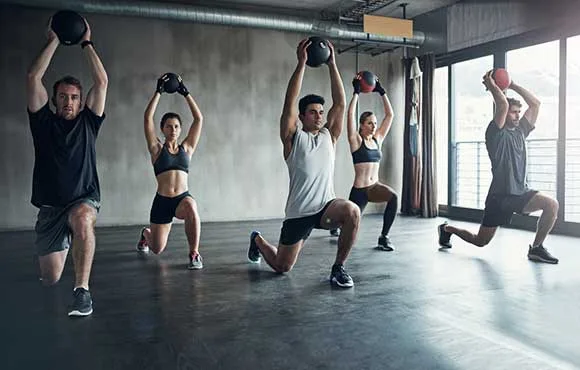
Free weights include equipment that is not attached to a cable or a pulley system. This category primarily covers dumbbells, barbells, kettlebells, and medicine balls. When you use free weights, you are responsible for balancing the weight yourself throughout the entire range of motion.
The Benefits of Free Weights
- Functional Strength: Free weights mimic real-life movements. Picking up a barbell from the floor translates better to picking up a heavy box in your daily life than sitting in a machine.
- Core Engagement: Because you have to stabilize the weight, your core muscles (abdominals, obliques, and lower back) are forced to work overtime to keep your body balanced.
- Versatility: A single pair of dumbbells can be used for dozens of exercises, from lunges and squats to shoulder presses and bicep curls.
- Range of Motion: Machines often lock you into a fixed path. Free weights allow you to move in a way that is natural for your unique skeletal structure and joint mechanics.
The Drawbacks
- Steeper Learning Curve: Proper form is essential to prevent injury. Without guidance, beginners may struggle to master the technique required for complex lifts like the deadlift or squat.
- Higher Injury Risk: Because there are no mechanical stops, dropping a heavy weight or losing control due to fatigue can lead to accidents.
Understanding Gym Machines: Stability and Isolation
Gym machines are designed to guide the body through a specific, predetermined path. These include leg press machines, cable crossovers, chest press machines, and seated row stations. They are often favored by those who want to focus on muscle hypertrophy without worrying about stability.
The Benefits of Gym Machines
- Ease of Use: Machines are intuitive. Most come with diagrams showing you exactly how to sit and which muscles you are targeting, making them ideal for beginners.
- Isolation: If your goal is to build a specific muscle group (like the quadriceps or pectorals), machines allow you to isolate that muscle with minimal help from stabilizer muscles.
- Safety: Most machines have safety pins or built-in limits, reducing the risk of being pinned under a heavy weight.
- Consistency: Because the path of motion is fixed, it is easier to track your progress and ensure you are performing the movement exactly the same way every time.
The Drawbacks
- Limited Functional Carryover: By removing the need for stabilization, you are not training your body to handle real-world loads effectively.
- Fixed Paths: If the machine’s design does not align with your limb length or body proportions, it can put unnecessary stress on your joints.
Comparison Table: Free Weights vs. Gym Machines
| Feature | Free Weights | Gym Machines |
|---|---|---|
| Skill Level | Moderate to Advanced | Beginner Friendly |
| Stabilizer Muscles | Highly Involved | Minimally Involved |
| Safety | Lower (requires spotter) | Higher (built-in limits) |
| Muscle Isolation | Lower (compound movements) | Higher (targeted movements) |
| Equipment Cost | Lower (accessible) | High (complex gear) |
How to Choose the Right Tool for Your Goals
Your fitness goals should dictate the balance of your workout split. There is no rule that says you must choose one over the other; in fact, the most effective training programs often incorporate both.
If Your Goal is Muscle Growth (Hypertrophy)
If you are a bodybuilder or simply want to maximize muscle size, machines can be incredibly effective. They allow you to train to failure safely, pushing the target muscle to its limit without worrying about your balance failing first. However, free weights should still be used for compound movements to build a thick, dense foundation.
If Your Goal is Athletic Performance
Athletes need to focus on free weights. Sports are rarely played in a seated, stabilized position. To become faster, stronger, and more explosive, you need to train your body to stabilize itself under load. Kettlebells, barbells, and dumbbells are essential for athletic development.
If Your Goal is Rehabilitation
If you are recovering from an injury, machines are often the superior choice. They allow you to control the weight precisely and avoid putting stress on the injured area. As you regain strength, you can slowly transition to free weights under the supervision of a physical therapist.
The Hybrid Approach: The Gold Standard
Most experts recommend a hybrid approach. Start your workout with heavy compound free-weight exercises while your nervous system is fresh. For example, begin with barbell squats or bench presses. Once your stabilizer muscles begin to fatigue, move on to machine-based exercises to finish off the muscle group safely.
This "compound first, isolation second" method ensures that you get the benefits of functional strength training while still being able to push your muscles to total exhaustion using the safety and support of machines.
Tips for Safely Incorporating Both into Your Routine
Regardless of which you choose, consistency and form are the keys to success. Here are three tips to keep in mind:
- Prioritize Form Over Weight: Whether you are using a 10lb dumbbell or a 200lb leg press, if your form is bad, you are wasting your time and risking injury. Record yourself or ask a trainer to critique your technique.
- Listen to Your Joints: If a specific machine feels "wrong" or causes pain in your shoulders or knees, do not force it. Your anatomy may not be suited for that specific piece of equipment. Switch to a free-weight variation or a different machine.
- Track Your Progress: Keep a workout log. Whether it’s the number of reps with a specific dumbbell or the weight setting on a cable machine, knowing your numbers will help you apply progressive overload—the primary driver of fitness results.
Conclusion: The Best Tool is the One You Use
At the end of the day, the debate between free weights and machines is secondary to the most important factor in fitness: **adherence**. The best workout routine is the one that you can perform consistently over the long term. If you love the feeling of a heavy barbell in your hands, prioritize free weights. If you prefer the comfort and simplicity of a machine-based gym, stick with that.
For most people, the most balanced and effective approach is a combination of both. Use free weights to build strength and coordination, and use machines to isolate muscles and safely push your intensity to the next level. By blending these two modalities, you create a well-rounded fitness regimen that addresses both the aesthetic and functional aspects of your health journey.
Always remember to start slow, focus on controlled movements, and never be afraid to ask for professional guidance if you are unsure about how to use a specific piece of equipment. Your fitness journey is a marathon, not a sprint—choose the tools that keep you moving forward safely and effectively.