Free Weights vs. Resistance Machines: The Ultimate Strength Training Comparison
When you step into a modern gym, you are immediately confronted with a choice that has divided the fitness community for decades: should you head toward the free weights section, crowded with barbells, dumbbells, and kettlebells, or should you take a seat at the sleek, selectorized resistance machines? Both pathways promise to build muscle, burn fat, increase strength, and improve your overall physical health. However, they go about achieving these goals in fundamentally different ways.
Choosing the right equipment is not merely a matter of personal preference; it directly impacts your biomechanics, muscle recruitment patterns, joint safety, and the functional real-world application of your strength. Whether you are a beginner taking your first steps into resistance training, an athlete looking to maximize performance, or a fitness enthusiast designing a home gym, understanding the nuances of free weights versus resistance machines is essential for optimizing your workouts.
In this comprehensive, evidence-based guide, we will break down the science, practical pros and cons, and specific use cases for both modalities. By the end, you will know exactly how to leverage each tool to build your ultimate fitness routine.
---Understanding the Basics: Definitions and Mechanics
Before diving into the physiological differences, let us define what we mean by free weights and resistance machines, as the mechanical properties of each dictate how your body responds to them.
What Are Free Weights?
Free weights refer to any strength-training equipment that is not attached to a fixed apparatus or cable system. The resistance is entirely subject to the pull of gravity, meaning you must support, balance, and control the weight across all planes of motion.
- Dumbbells: Highly versatile, allowing for unilateral (single-arm or single-leg) training and natural joint paths.
- Barbells: The gold standard for heavy compound lifts, allowing you to load maximum weight for bilateral movements.
- Kettlebells: Ideal for dynamic, ballistic movements that combine strength, cardio, and coordination.
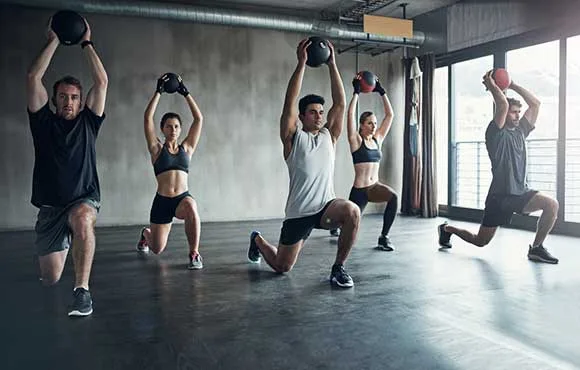
- Medicine Balls and Sandbags: Excellent for functional, real-world lifting patterns and rotational power.
What Are Resistance Machines?
Resistance machines are devices that guide your movement through a fixed or semi-fixed path. The weight is typically supported by a frame, and you interact with it via handles, pads, cables, or levers.
- Selectorized (Pin-Loaded) Machines: Features a stack of weight plates where you insert a pin to select your resistance (e.g., leg extension, chest press machine).
- Plate-Loaded Machines: Require you to manually add Olympic weight plates to sleeves, combining the heavy feel of free weights with the guided track of a machine (e.g., Smith machine, leg press).
- Cable Systems: Utilize pulleys and cables. While they are machines, they offer more freedom of movement than fixed-path machines, acting as a middle ground between the two categories.
Key Comparison Metrics: Science and Biomechanics
To determine which modality reigns supreme, we must evaluate them across several critical fitness metrics: muscle activation, functional strength, safety, learning curve, and versatility.
1. Muscle Activation and Hypertrophy
When it comes to building muscle (hypertrophy), both free weights and machines are highly effective, but they recruit muscles differently.
Free Weights and Stabilizer Recruitment: Because free weights are unstable, your body must recruit primary movers (agonist muscles) alongside a vast network of stabilizer muscles (synergists). For example, during a barbell squat, your quadriceps and glutes drive the movement, but your core, lower back, and calves must fire continuously to keep you upright. Electromyography (EMG) studies consistently show higher overall muscle activation, particularly in stabilizer muscles, when performing free-weight exercises compared to machine equivalents.
Machines and Target Muscle Isolation: What machines lack in stabilizer recruitment, they make up for in pure target muscle isolation. By removing the need to balance the weight, machines allow you to focus 100% of your effort on the target muscle group. During a machine leg extension, your core and stabilizer muscles are completely relaxed, allowing you to push your quadriceps to absolute mechanical failure. This makes machines incredibly effective for bodybuilding, where isolating specific muscles to maximize metabolic stress and mechanical tension is the primary goal.
2. Functional Strength and Core Stability
Functional strength refers to strength that translates directly to real-world movements, such as carrying groceries, lifting a child, or playing recreational sports.
The Free Weight Advantage: Life does not happen on a fixed track. When you lift an object in the real world, you must stabilize your joints and core. Free weights train your body to move through three-dimensional space (the sagittal, frontal, and transverse planes). They force your brain to coordinate complex motor patterns, improving balance, proprioception (your body's awareness of its position in space), and core stability.
The Machine Limitation: Resistance machines operate primarily in a single plane of motion. While they make you stronger within that specific track, that strength does not always translate to unstable environments. If you can leg press 500 pounds, you may still struggle to squat 200 pounds with a barbell because your stabilizers and core have not been trained to handle the load in an open environment.
3. Safety and Risk of Injury
Safety is a paramount concern for both beginners and advanced lifters pushing their physical limits.
Safety Profiles of Machines: Machines are inherently safer for solo lifters. They feature built-in safety mechanisms, such as catch pins on a Smith machine or weight stacks that cannot fall on you. If your muscles fail during a machine chest press, you simply let go of the handles, and the weight returns to its stack. This allows you to train to high levels of intensity (muscle failure) without needing a spotter.
Safety Profiles of Free Weights: Free weights carry a higher risk of acute injury if proper technique is not maintained. Dropping a heavy barbell during a bench press or losing your balance during a squat can result in severe injury. Additionally, because free weights allow your joints to move in any direction, poor form can put excessive shear stress on your ligaments, tendons, and spine. However, when performed with proper form and appropriate loading, free weights are highly safe and actually strengthen joints against future injuries.
4. Ease of Use and Learning Curve
How quickly can a user walk up to a piece of equipment and perform an exercise effectively and safely?
Machines (Low Learning Curve): Most resistance machines feature instructional placards with diagrams showing the starting and ending positions, as well as the targeted muscle groups. The setup is straightforward: adjust the seat height, select the weight with a pin, and perform the movement. This makes machines highly accessible for beginners, seniors, or those undergoing physical rehabilitation.
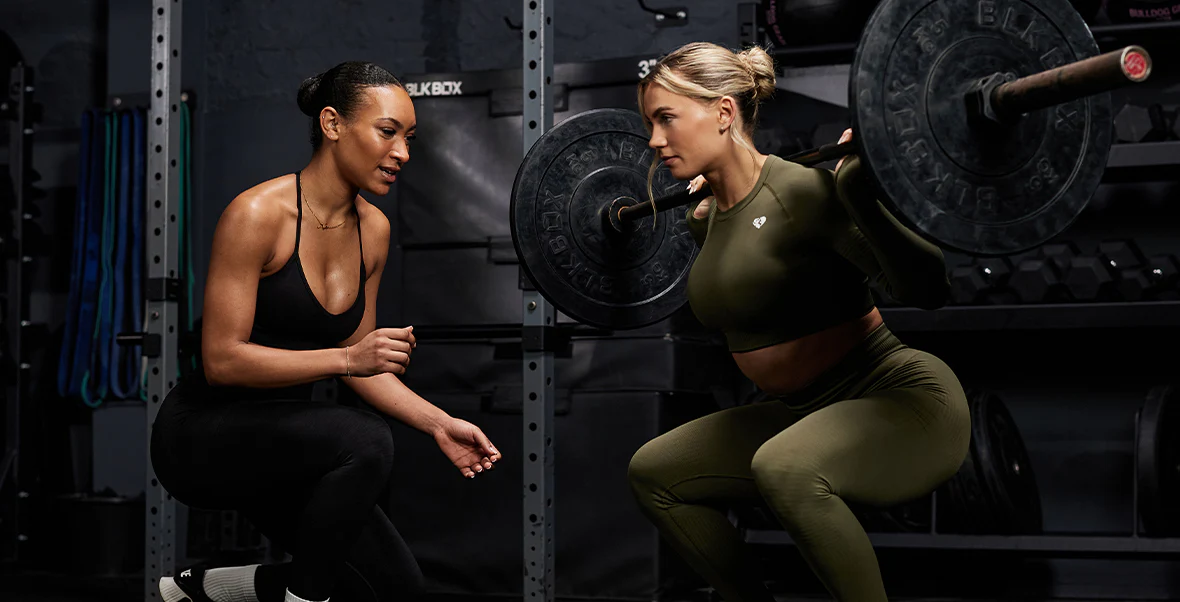
Free Weights (High Learning Curve): Learning to perform a proper deadlift, overhead press, or clean-and-jerk requires time, patience, and often professional coaching. You must learn how to brace your core, maintain a neutral spine, and manage joint alignment. For a beginner, this learning curve can be intimidating and may lead to frustration or improper execution.
---Head-to-Head Comparison Table
To help you visualize the trade-offs between these two training styles, here is a direct comparison across key athletic and practical parameters:
| Feature / Metric | Free Weights (Dumbbells, Barbells) | Resistance Machines (Pin/Plate Loaded) | The Winner / Best Use Case |
|---|---|---|---|
| Target Muscle Isolation | Moderate (Stabilizers share the load) | High (Fixed path eliminates stabilization) | Resistance Machines for bodybuilding and hypertrophy. |
| Stabilizer & Core Activation | Extremely High | Low to Minimal | Free Weights for functional core strength. |
| Real-World Functionality | High (Mimics natural human movement) | Low (Fixed, artificial tracks) | Free Weights for athletic and daily life transfer. |
| Injury Risk (Without Spotter) | Moderate to High (Weight can fall on you) | Very Low (Built-in safety stops) | Resistance Machines for safe solo training. |
| Joint Customization | High (Adapts to your unique anatomy) | Low (Forces you into the machine's path) | Free Weights for natural joint alignment. |
| Home Gym Compatibility | High (Compact, cost-effective, versatile) | Low (Bulky, expensive, single-purpose) | Free Weights for space and budget efficiency. |
When to Choose Free Weights
While a balanced routine often incorporates both, there are specific scenarios and fitness goals where free weights should be your primary focus.
1. Your Goal is Athletic Performance and Power
Athletes rarely move in fixed, linear paths. Sports require sprinting, jumping, cutting, and throwing—all of which demand high levels of intermuscular coordination. Free weights, especially explosive movements like kettlebell swings or barbell cleans, train your nervous system to fire muscles in a synchronized sequence, maximizing power output and athletic agility.
2. You Want to Build a Strong Core
If you want a strong, resilient midsection, skip the machine crunches. Compound free-weight lifts like the overhead press, front squat, and bent-over row require massive isometric contractions from your rectus abdominis, obliques, and erector spinae just to keep your spine safe and upright. Free weights turn every exercise into a core exercise.
3. You are Training at Home with Limited Space
Buying a separate machine for your chest, back, legs, and shoulders requires thousands of dollars and a commercial-sized warehouse. In contrast, a single set of adjustable dumbbells or a barbell with a rack allows you to perform hundreds of different exercises in a small corner of your garage or spare bedroom.
4. You Have Unique Joint Biomechanics
Every human body is structured differently. The width of your hips, the length of your limbs, and the mobility of your shoulders are entirely unique to you. Free weights allow your joints to find their most natural, comfortable path of motion. If your shoulder prefers a slight rotational arc during a chest press, dumbbells will accommodate that; a fixed chest press machine will not.
---When to Choose Resistance Machines
Conversely, resistance machines are not just "easier" alternatives; they are highly sophisticated tools that offer distinct advantages under the right circumstances.
1. You are a Complete Beginner
For someone entering a gym for the first time, the sheer volume of movement patterns can be overwhelming. Resistance machines allow beginners to build baseline strength, joint integrity, and confidence without the immediate risk of dropping weights or injuring themselves due to poor balance. It provides a safe entry point to resistance training.
2. You are Rehabilitating an Injury
If you are recovering from a specific injury—such as a torn ACL or a rotator cuff strain—you need to strengthen the surrounding muscles without putting vulnerable joints or tissues at risk. Machines allow you to safely isolate the target muscles. For example, if you cannot load your spine due to a herniated disc, you can still train your legs effectively using a seated leg press or leg extension machine.
3. You Want to Train to Absolute Muscle Failure
To stimulate maximum muscle growth, advanced lifters often use intensity techniques like drop sets, forced repetitions, and training to absolute mechanical failure. Doing this on a barbell bench press or squat without a spotter is incredibly dangerous. On a machine, you can push your muscles until they literally cannot move another inch, knowing you can safely release the weight at any moment.
4. You Want to Maintain Constant Tension
Due to the physics of gravity, free weights have "dead zones" where there is little to no tension on the muscle (for example, at the top of a bicep curl or the bottom of a lateral raise). Cable machines and selectorized machines with cam systems alter the resistance profile, ensuring that your muscles experience smooth, constant tension throughout the entire range of motion, which is highly beneficial for muscle hypertrophy.
---Designing the Ultimate Hybrid Routine
The debate between free weights and resistance machines is ultimately a false dichotomy. The most effective, well-rounded fitness routines do not choose one over the other; instead, they strategically combine both to capitalize on their respective strengths.
A highly effective programming strategy is the "Pyramid of Movement" approach:
- Primary Lifts (Free Weights): Start your workout with heavy, compound free-weight movements when your central nervous system and stabilizer muscles are fresh. Examples include barbell squats, deadlifts, overhead presses, or dumbbell rows. This builds raw strength, bone density, and core stability.
- Secondary Lifts (Cables / Semi-Guided): Move on to cable systems or plate-loaded machines. These allow you to transition into higher-volume training while still requiring some stabilization. Examples include cable chest flyes, lat pulldowns, or walking lunges with dumbbells.
- Finishing Lifts (Fixed Machines): End your workout with isolated, fixed-path machines to target specific muscles that you want to exhaust completely. Since your stabilizers are now fatigued, machines allow you to safely push your primary movers to failure without your form breaking down. Examples include leg extensions, seated cable rows, or machine pec decks.
Example: Upper Body Push Day Workout
Here is how a hybrid philosophy looks in a practical workout routine:
- Exercise 1 (Free Weight): Barbell Bench Press — 4 sets of 6-8 reps (Focus: Heavy strength, stabilizer recruitment).
- Exercise 2 (Free Weight): Standing Dumbbell Overhead Press — 3 sets of 8-10 reps (Focus: Core stability, shoulder strength).
- Exercise 3 (Cable/Machine): Incline Dumbbell Flyes or Cable Crossover — 3 sets of 10-12 reps (Focus: Constant tension, chest isolation).
- Exercise 4 (Fixed Machine): Seated Machine Shoulder Press — 3 sets of 12-15 reps (Focus: Safe training to failure, shoulder hypertrophy).
- Exercise 5 (Fixed Machine): Cable Tricep Pushdowns — 3 sets of 15 reps (Focus: Pure tricep isolation, metabolic stress).
Frequently Asked Questions (FAQs)
Can you build just as much muscle using only machines?
Yes. Scientific studies comparing muscle hypertrophy between free weights and machines have consistently shown that when training volume (sets and reps) and intensity (effort) are matched, both modalities yield similar muscle growth. If your primary goal is aesthetics and bodybuilding, a machine-heavy routine can be incredibly effective.
Are free weights bad for your joints?
No. Free weights are not inherently bad for your joints; in fact, they strengthen the bones, ligaments, and tendons surrounding your joints. Joint pain from free weights is almost always the result of improper lifting technique, excessive loading, or pre-existing structural imbalances. Because free weights allow for natural joint paths, they can actually be friendlier to your joints than machines that force you into an unnatural, rigid path.
Is the Smith Machine considered a free weight or a machine?
The Smith machine is a hybrid, but it functions primarily as a machine. Although you load it with free-weight plates, the barbell is fixed on a vertical steel track. This eliminates the need for you to stabilize the bar horizontally, reducing core and stabilizer activation while allowing for safer, isolated targeting of the legs, chest, or shoulders.
Should seniors use free weights or machines?
Seniors benefit immensely from both. Machines provide a safe, low-impact environment to combat age-related muscle loss (sarcopenia) and build baseline strength. However, because seniors are also at risk for balance issues and falls, incorporating light free-weight exercises (like dumbbell goblet squats or step-ups) is crucial for maintaining balance, coordination, and functional mobility in daily life.
---Conclusion: Finding Your Perfect Balance
In the battle of free weights versus resistance machines, there is no universal winner. The ideal choice depends entirely on your fitness level, safety requirements, physical goals, and personal preferences.
If your priority is building functional, athletic strength, improving your balance, and maximizing core engagement, your workouts should be anchored by free weights. If your goals are centered around isolating specific muscles for bodybuilding, working around an injury, training safely to failure without a partner, or learning the ropes as a beginner, resistance machines are your best ally.
By shedding the dogmatic "all-or-nothing" mindset and embracing a hybrid approach, you can harness the unique benefits of both tools. Use free weights to build the foundation of your physical capabilities, and use machines to refine, isolate, and safely push your limits. Your body will thank you with improved strength, better balance, and sustainable, injury-free progress.