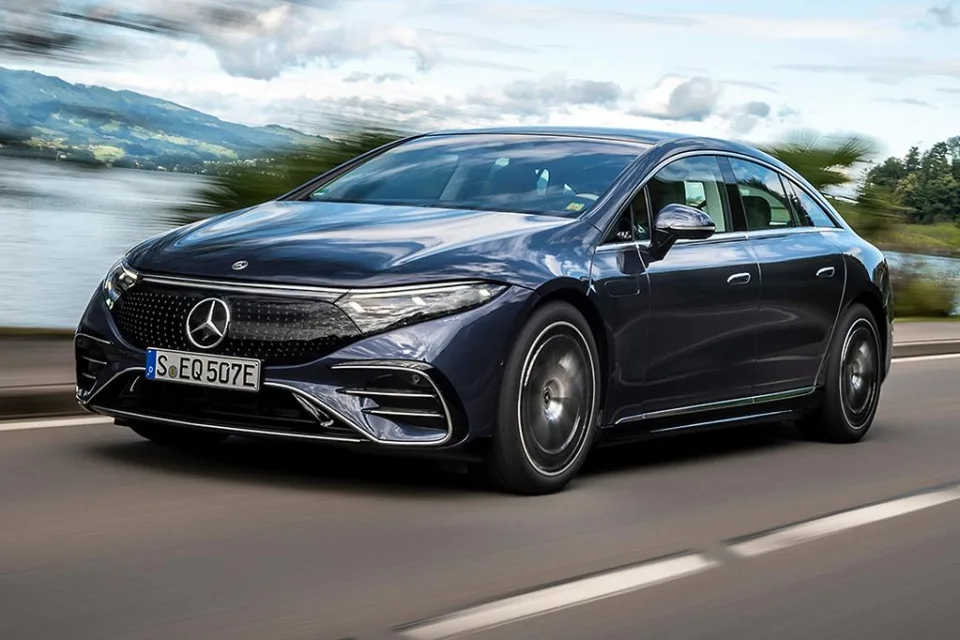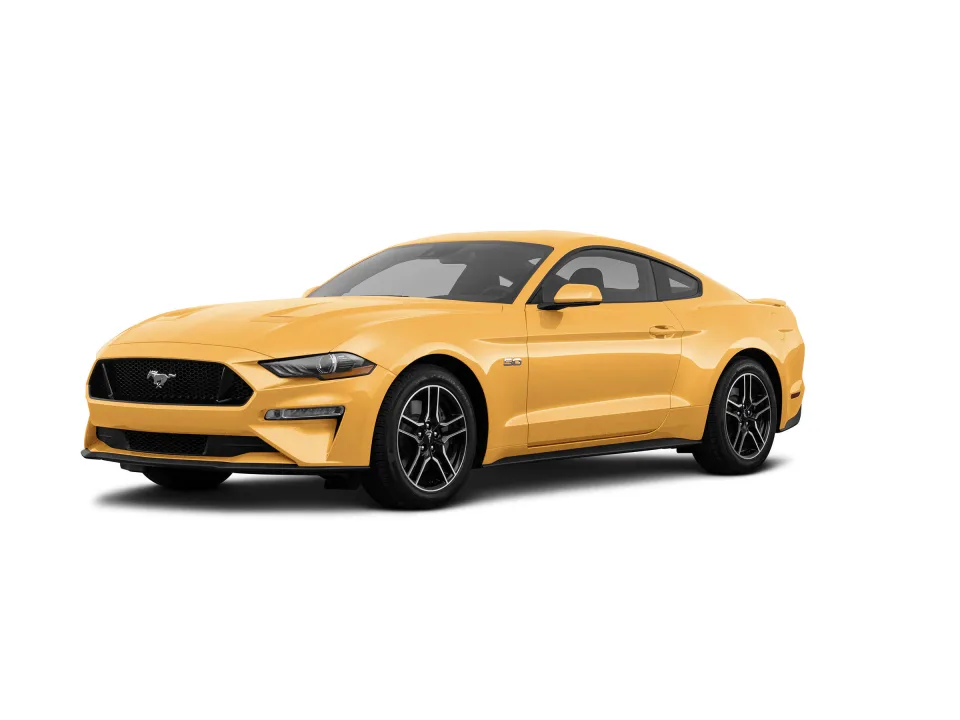
Internal Combustion Engine (ICE) vs. Electric Vehicles (EV): A Comprehensive Comparison for Modern Drivers
The automotive landscape is undergoing a seismic shift. For over a century, the internal combustion engine (ICE) has reigned supreme, powering the world’s transportation through the rhythmic explosion of gasoline or diesel. However, the rapid rise of electric vehicles (EVs) has introduced a compelling alternative, promising cleaner air, lower operating costs, and a completely different driving experience. If you are currently in the market for a new car, you are likely facing the biggest dilemma in modern automotive history: Should you stick with the familiar power of a gas engine or make the leap to electric?
This guide provides a detailed, objective comparison between ICE and EV technologies to help you make an informed decision based on your lifestyle, budget, and driving habits.
Understanding the Core Technologies
The Internal Combustion Engine (ICE)
ICE vehicles rely on burning fossil fuels—gasoline or diesel—to create energy. This energy is converted into mechanical motion through a complex series of pistons, crankshafts, and transmissions. It is a mature technology, refined over 140 years, which offers reliability, ease of refueling, and a vast infrastructure network.
The Electric Vehicle (EV)
Electric vehicles replace the engine and fuel tank with a battery pack and electric motors. Instead of combustion, electricity stored in the battery drives the motor, which turns the wheels. This setup eliminates the need for transmission fluid, oil changes, spark plugs, and exhaust systems, resulting in a much simpler mechanical design.
Comparative Analysis: Key Performance Metrics
When comparing these two vehicle types, several factors come into play. The following table highlights the primary differences across the most critical ownership categories.
| Feature | Internal Combustion Engine (ICE) | Electric Vehicle (EV) |
|---|---|---|
| Refueling/Charging Time | Fast (5–10 minutes) | Slow (30 mins to 12+ hours) |
| Maintenance Costs | Higher (More moving parts) | Lower (Fewer moving parts) |
| Fuel/Energy Cost | Fluctuating (High) | Stable (Low) |
| Driving Range | Consistent (300–500+ miles) | Variable (200–400 miles) |
| Environmental Impact | High (Tailpipe emissions) | Low (Zero tailpipe emissions) |
The Financial Perspective: Upfront vs. Long-term
Financial considerations are often the deciding factor for most buyers. While EVs have historically been more expensive to purchase, the price gap is narrowing due to advancements in battery technology and government incentives.
Upfront Costs
ICE vehicles generally have a lower "sticker price" compared to their electric counterparts. The high cost of lithium-ion battery packs remains the primary driver for the higher initial investment in EVs. However, when factoring in tax credits, rebates, and state-level incentives, the purchase price difference often becomes negligible.
Operating Costs
This is where the EV shines. Electricity is significantly cheaper per mile than gasoline. Furthermore, EVs have far fewer moving parts. There is no engine oil to change, no transmission fluid to flush, and no exhaust system to rust. Because EVs use regenerative braking, brake pads also last significantly longer than those on gas cars. Over the life of the vehicle, an EV owner can expect to save thousands of dollars in maintenance and fuel expenses.
Driving Experience and Performance
The driving dynamics of an EV are vastly different from an ICE vehicle. If you value a quiet, smooth, and responsive drive, the EV is the clear winner.
- Instant Torque: Electric motors provide 100% of their torque the moment you press the pedal. This results in rapid acceleration that makes city driving and merging onto highways effortless.
- Center of Gravity: Because the heavy battery packs are located at the bottom of the chassis, EVs have a low center of gravity. This translates to better handling and less body roll during cornering.
- Noise Levels: Without the combustion process, EVs are nearly silent at low speeds and remarkably quiet at highway speeds, leading to a less fatiguing commute.
Conversely, ICE enthusiasts often cite the "soul" of the engine—the mechanical sound, the feel of shifting gears, and the engagement of a manual transmission—as reasons they prefer traditional cars. For those who enjoy the tactile experience of driving, a high-performance ICE vehicle may still feel more "connected" than an EV.
Infrastructure and Range Anxiety
Range anxiety—the fear of running out of power before reaching a destination—is the most common argument against EVs. While this concern is valid, it is rapidly becoming a relic of the past.
Refueling Convenience
Gas stations are ubiquitous. You can find a pump on almost any corner, and refueling takes mere minutes. For drivers who frequently take long road trips to remote areas, the ICE vehicle remains the most practical choice.
Charging Logistics
EV charging requires a shift in mindset. Most EV owners charge their cars at home overnight, essentially starting every day with a "full tank." For daily commuters, this is more convenient than stopping at a gas station. However, for those living in apartments or areas without access to private charging, the EV experience can be challenging, relying heavily on public fast-charging networks that are still expanding.
Environmental Impact and Sustainability
When discussing sustainability, it is important to look at the "lifecycle" of the vehicle. ICE vehicles produce tailpipe emissions that contribute directly to air pollution and climate change. EVs produce zero emissions while driving, making them the superior choice for local air quality.
Critics of EVs often point to the environmental cost of battery mining and the carbon footprint of electricity production. While these are legitimate concerns, studies consistently show that over the lifespan of the vehicle, EVs have a significantly lower carbon footprint than ICE vehicles, even when accounting for the electricity used to charge them. As the power grid shifts toward renewable energy sources like wind and solar, the environmental benefit of EVs will only increase.
Which One Should You Choose?
There is no "one size fits all" answer. The right choice depends on your specific needs.
Choose an ICE Vehicle If:
- You live in an area with limited charging infrastructure.
- You frequently drive very long distances through rural areas.
- You have a limited upfront budget and do not want to navigate tax credits or rebates.
- You enjoy the mechanical complexity and sound of a traditional engine.
Choose an Electric Vehicle If:
- You have access to home charging (a garage or driveway).
- Your daily commute is well within the range of a standard EV battery.
- You want to reduce your long-term maintenance and fuel costs.
- You are environmentally conscious and want to lower your carbon footprint.
- You prefer a smooth, quiet, and high-performance driving experience.
The Future of the Automotive Market
The automotive industry is clearly trending toward electrification. Major manufacturers have announced plans to phase out internal combustion engines in favor of electric powertrains over the next two decades. While the ICE vehicle will remain a staple on the roads for many years to come, its role is slowly evolving into a niche for enthusiasts and specialized heavy-duty applications.
As battery energy density increases and charging speeds drop to match the time it takes to fill a gas tank, the main arguments against EVs will continue to dissolve. Whether you buy an ICE vehicle today for its proven reliability or an EV for its future-proof technology, both options offer significant advantages. The key is to assess your daily habits, evaluate your access to infrastructure, and choose the vehicle that best aligns with your lifestyle.
In conclusion, the choice between ICE and EV is not just about the engine—it is about how you want to interact with the world around you. By weighing the convenience of gas against the efficiency of electricity, you can make a decision that you will be happy with for years to come.