Minimalist vs. Maximalist Home Accessories: How to Choose the Right Decor Style for Your Space
Home accessories are often described as the jewelry of interior design. Just as a carefully chosen necklace or watch can elevate an outfit, the right decorative accents can transform a sterile room into a warm, inviting, and highly personalized sanctuary. Whether you are moving into a new home or looking to refresh your current living space, the home accessories you choose play a pivotal role in defining your aesthetic.
When it comes to styling these decorative elements, two major design philosophies dominate the landscape: Minimalism and Maximalism. Minimalism champions the concept of "less is more," focusing on functionality, clean lines, and intentional negative space. On the other hand, Maximalism embraces the joy of abundance, celebrating bold colors, rich textures, and eclectic layers under the banner of "more is more."
Choosing between these two approaches can be challenging. Should you opt for a sleek, ceramic vase that exudes quiet sophistication, or a vibrant, hand-painted sculptural piece that demands attention? In this comprehensive guide, we will compare minimalist and maximalist home accessories, explore how they impact your living environment, and help you determine which style aligns best with your personality and lifestyle.
Understanding Minimalist Home Accessories: The "Less is More" Approach
Minimalism is far more than just a design trend; it is a philosophy centered on simplicity, utility, and mindfulness. Minimalist home accessories are carefully curated to ensure that every object serves a purpose—either functional or deeply aesthetic—without cluttering the visual field. This style relies heavily on the beauty of raw materials, geometric forms, and a restrained color palette.
Key Characteristics of Minimalist Accessories
To identify minimalist home accessories, look for the following defining characteristics:
- Neutral and Earthy Color Palettes: Minimalist decor heavily features shades of white, beige, grey, taupe, and soft terracotta. Black is often used sparingly as a sharp contrast to ground the space.
- Organic and High-Quality Materials: Because there are fewer items in a minimalist room, the quality of each accessory is paramount. Common materials include unglazed ceramics, brushed concrete, light-toned woods (like oak and ash), linen, and matte metals.
- Clean Lines and Simple Silhouettes: Minimalist accessories avoid intricate carvings, ruffles, or busy patterns. Instead, they favor clean geometric shapes, smooth curves, and sleek profiles.
- High Functionality: Many minimalist decorative items pull double duty. A beautiful wooden bowl serves as a centerpiece while holding keys, or a sculptural ceramic carafe acts as both art and tableware.
Popular Minimalist Home Accessories
If you want to cultivate a calm, clutter-free environment, consider integrating these classic minimalist accessories into your home:
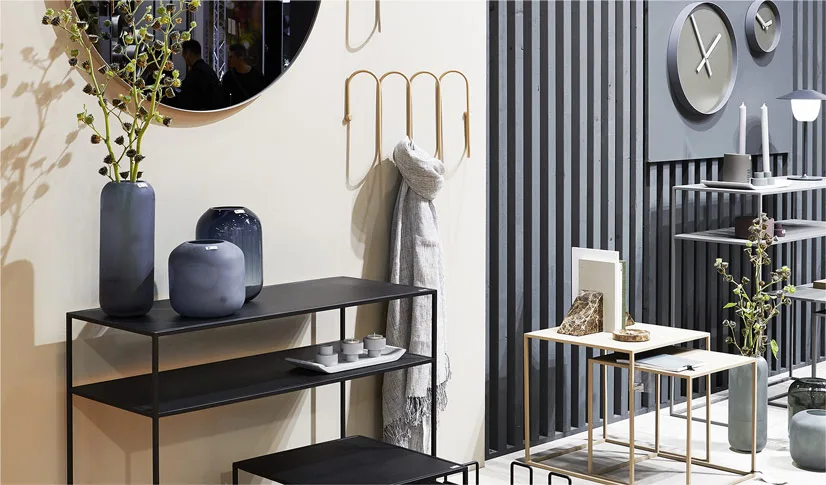
- Matte Ceramic Vases: Single-toned ceramic vases with organic, asymmetrical shapes look beautiful even when left empty. When styled with a single dried botanical branch or pampas grass, they create an elegant, understated focal point.
- Linen and Wool Throw Blankets: Instead of loud patterns, minimalist textiles rely on weave and texture. A high-quality, solid-colored linen throw or a chunky knit wool blanket adds warmth without visual noise.
- Sleek Metal Candle Holders: Thin, black iron or brushed brass taper candle holders add height and warmth to a mantelpiece or dining table without overpowering the surrounding decor.
- Framed Monochrome Art: Wall decor in a minimalist space typically features abstract line art, black-and-white photography, or simple color-block prints housed in thin, natural wood or metal frames.
The Pros and Cons of Minimalist Decor Accessories
While minimalism offers a serene escape from the chaotic outside world, it is important to weigh its advantages and disadvantages before committing to this style.
Pros: Minimalist spaces are incredibly calming and promote mental clarity by reducing visual clutter. They are also easier to clean and maintain, as there are fewer surfaces to dust. Additionally, investing in fewer, higher-quality accessories often leads to a more sustainable and timeless home environment.
Cons: If not executed carefully, minimalist spaces can feel cold, sterile, or uninviting. It requires strict discipline to prevent clutter from accumulating, and finding the perfect, high-quality pieces can sometimes require a larger upfront investment per item.
Exploring Maximalist Home Accessories: The "More is More" Philosophy
Maximalism is a celebration of individuality, history, and sensory richness. Unlike minimalism, which seeks to edit down, maximalism encourages you to display your passions, travels, and personality proudly. Maximalist home accessories are vibrant, diverse, and layered, turning every corner of a room into a conversation starter.
Key Characteristics of Maximalist Accessories
Maximalist home accessories are easily recognizable by their bold, expressive nature:
- Rich, Vibrant Color Schemes: Maximalism embraces jewel tones (emerald green, sapphire blue, ruby red), deep pastels, and unexpected color combinations that inject energy into a room.
- Diverse Textures and Patterns: Velvet, silk, brass, colored glass, and carved wood are often mixed within the same space. Patterns range from botanical prints and animal motifs to geometric chevrons and classic stripes.
- Eclectic and Narrative-Driven Pieces: Every maximalist accessory tells a story. Vintage finds, travel souvenirs, quirky sculptures, and mismatched items are styled together to create a rich tapestry of personal history.
- Layering and Scale: Maximalism utilizes layering to create depth. Accessories of varying heights, shapes, and historical eras are grouped together on shelves, coffee tables, and walls.
Popular Maximalist Home Accessories
To inject life, color, and personality into your living space, look for these signature maximalist decorative items:
- Ornate Gilded Mirrors: A large mirror with an intricate, gold-leafed baroque frame makes a dramatic statement, reflecting light and amplifying the room's busy, beautiful details.
- Patterned Velvet Throw Pillows: Mixing pillows in different patterns—such as a floral print paired with a leopard motif and a solid jewel-toned velvet cushion—adds instant luxury and comfort to seating areas.
- Colored Glassware and Decanters: Displaying vintage amber, amethyst, or cobalt blue glass bottles and decanters on a bar cart or sunny windowsill creates a beautiful play of colored light.
- Gallery Walls with Mismatched Frames: Rather than a single large painting, a maximalist wall features a dense collection of art, prints, and three-dimensional objects housed in a variety of ornate, rustic, and modern frames.
The Pros and Cons of Maximalist Decor Accessories
Maximalism is perfect for those who love self-expression, but it also comes with its own set of unique challenges.
Pros: It allows for ultimate creativity and personal expression, as there are no strict rules. It is highly forgiving of clutter, makes a home feel incredibly cozy and lived-in, and provides endless visual interest for guests.
Cons: Without a cohesive plan, maximalism can quickly cross the line from "curated eclectic" to "chaotic clutter." It also requires significantly more effort to clean, dust, and organize the numerous decorative items on display.
Head-to-Head Comparison: Minimalist vs. Maximalist Home Accessories
To help you visualize the differences between these two prominent styling philosophies, we have compared them across several key practical and aesthetic categories in the table below.
| Feature | Minimalist Home Accessories | Maximalist Home Accessories |
|---|---|---|
| Core Philosophy | "Less is more" — simplicity, utility, and quiet elegance. | "More is more" — self-expression, abundance, and personality. |
| Color Palette | Neutrals, earth tones, monochrome, and soft pastels. | Jewel tones, vibrant primary colors, and contrasting hues. |
| Primary Textures | Matte ceramics, raw wood, linen, concrete, and brushed metal. | Velvet, silk, polished brass, colored glass, and carved wood. |
| Arrangement Style | Symmetrical, spacious, with plenty of negative space. | Layered, grouped, overlapping, and densely packed. |
| Maintenance & Cleaning | Low maintenance; quick to dust and keep organized. | High maintenance; requires regular dusting of multiple objects. |
| Atmosphere Created | Calm, serene, spacious, and meditative. | Energetic, cozy, stimulating, and rich with stories. |
How to Mix and Match: Creating a "Cohesive Eclectic" Look
If you find yourself drawn to the clean, calming lines of minimalism but still crave the color and personality of maximalism, you do not have to choose just one. Many modern interior designers blend these two philosophies to create a style often referred to as "Warm Minimalism" or "Curated Eclecticism." This hybrid approach allows you to enjoy the best of both worlds.
Here are some practical tips for mixing minimalist and maximalist home accessories in your space:
1. Implement the 80/20 Rule
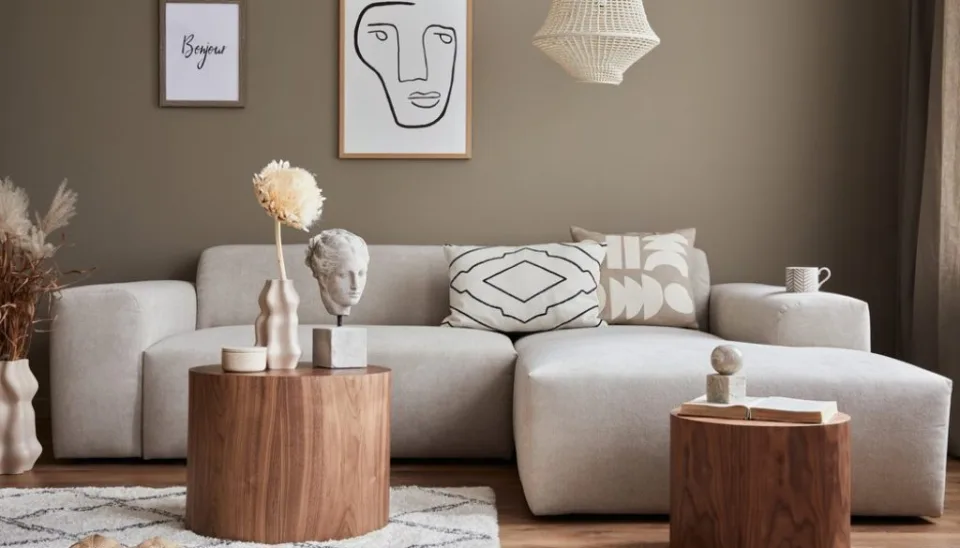
To keep your room balanced, dedicate 80% of your space to one style and 20% to the other. For example, you can maintain a minimalist foundation with neutral walls, a sleek sofa, and simple linen curtains (80%). Then, inject maximalist energy (20%) through a few vibrant, patterned throw pillows, a colorful abstract painting, and a unique, vintage brass sculpture on the coffee table.
2. Use a Unifying Color Thread
When mixing mismatched accessories, color is the ultimate unifier. If you have a collection of eclectic, maximalist vases of various shapes and eras, try choosing pieces that all share a single color note—such as shades of blue or warm terracotta. This creates a sense of visual harmony, making the collection look intentional rather than accidental.
3. Play with Scale and Contrast
Contrast is key to successful eclectic styling. Pair a sleek, ultra-modern minimalist floor lamp next to a plush, heavily patterned maximalist armchair. The stark difference in their designs highlights the beauty of each individual piece, creating a dynamic and visually interesting corner.
4. Anchor Bold Pieces with Negative Space
If you have a highly detailed, maximalist accessory—such as an intricate mosaic tray or a bright, multicolored ceramic bowl—give it room to breathe. Place it on a minimalist wooden sideboard or a simple glass coffee table. Surrounding a bold accessory with empty space allows it to act as a true focal point without overwhelming the room.
Key Factors to Consider When Buying Home Accessories
Regardless of whether you lean toward minimalism, maximalism, or somewhere in between, purchasing home accessories should be an intentional process. To avoid buyer's remorse and ensure your home feels cohesive, keep these essential factors in mind before making a purchase:
1. Room Size and Scale
The scale of your accessories should match the scale of your furniture and the room itself. A tiny vase will look lost on a massive dining table, while an oversized sculptural piece can overwhelm a small entryway console. Before buying, measure your surfaces and visualize how the accessory's height and volume will interact with its surroundings.
2. Functionality vs. Aesthetics
Ask yourself if the accessory needs to serve a practical purpose. In high-traffic areas like entryways and kitchens, functional accessories—such as decorative storage baskets, key bowls, and beautiful cutting boards—are usually the best choice. In low-traffic areas like guest bedrooms or high wall shelves, you can focus purely on artistic, decorative items.
3. Lighting Conditions
Lighting can dramatically change how an accessory looks in your home. Dark, textured, or matte accessories can absorb light, making a dimly lit room feel smaller. Conversely, shiny, metallic, or glass accessories reflect light, helping to brighten and open up darker spaces. Consider how natural and artificial light hits the spot where you plan to place your new item.
4. Quality and Longevity
It is easy to get swept up in fast-fashion home decor trends, but investing in well-made accessories crafted from natural, durable materials always pays off. High-quality ceramics, solid wood, real stone, and natural textiles not only look better but also age beautifully, developing a unique character over time.
Conclusion
At the end of the day, there is no right or wrong answer when it comes to choosing between minimalist and maximalist home accessories. Your home is a personal canvas, and the accessories you choose should reflect how you want to feel when you walk through the front door.
If you crave a peaceful retreat from a busy, noisy world, minimalist accessories with their clean lines, natural materials, and soothing neutral tones will help you create a serene sanctuary. If you are an expressive storyteller who finds joy in color, history, and rich textures, maximalist accessories will allow you to build an energetic, cozy space that celebrates your unique journey.
By understanding the core principles of each style and learning how to balance scale, color, and texture, you can confidently curate a collection of home accessories that brings beauty, comfort, and personality to your living space for years to come.