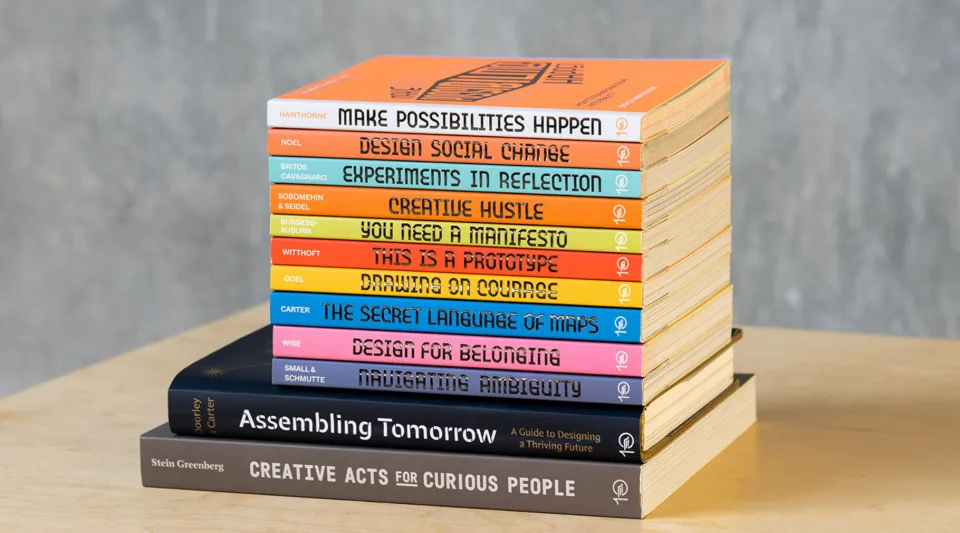
Physical Books vs. E-books vs. Audiobooks: Which Reading Format Reigns Supreme?
In the modern age, the act of reading has evolved far beyond the traditional paper-and-ink experience. While the love for literature remains a constant, the medium through which we consume stories has diversified significantly. Today, readers are often caught in a dilemma: should they stick to the tactile charm of physical books, embrace the convenience of e-books, or immerse themselves in the auditory journey of audiobooks?
Choosing the right format isn't just about personal preference; it is about lifestyle, cognitive engagement, and accessibility. In this comprehensive guide, we will break down the pros and cons of these three dominant formats to help you decide which one best suits your reading habits.
The Timeless Appeal of Physical Books
For many, a book is more than just a vessel for information; it is an object of art. Physical books—hardcovers and paperbacks—have survived the digital revolution for a reason. They offer a sensory experience that technology struggles to replicate.
The Sensory Experience
The smell of paper, the texture of the pages, and the satisfying weight of a book in your hands create a multisensory experience that anchors a reader in the moment. This "tactile grounding" is often cited as a key factor in why physical books help readers stay focused and avoid the distractions inherent in digital devices.
Cognitive Retention and Focus
Studies have suggested that physical books may be superior for information retention. When reading a physical book, the brain creates a "mental map" of where information is located on a page. This spatial memory can aid in comprehension, especially for complex non-fiction or academic texts. Furthermore, physical books are inherently "single-tasking" devices; there are no notifications or blue light to pull you away from the narrative.
The Aesthetics of a Personal Library
Beyond the act of reading, physical books serve as a reflection of the owner’s identity. A curated bookshelf is a conversation starter and a source of aesthetic pleasure. For collectors, the physical copy is the only version that holds tangible value over time.
The Rise of E-books: Convenience at Your Fingertips
E-books revolutionized the publishing industry by making thousands of titles accessible in a device no thicker than a notepad. For the modern, on-the-go reader, the e-reader is often the gold standard.
Portability and Storage
The most obvious advantage of e-books is portability. You can carry an entire library in your bag, making them the perfect companion for commuters and travelers. For those living in small apartments or frequent movers, the space-saving benefit of digital files is undeniable.
Accessibility Features
E-readers have leveled the playing field for readers with visual impairments or reading difficulties. The ability to increase font size, change font styles (including those designed for dyslexia), and adjust background lighting makes reading accessible to a wider demographic than ever before.
Cost-Effectiveness
Generally, e-books are cheaper than their physical counterparts. Furthermore, the rise of digital libraries and subscription services allows readers to access a vast catalog of titles for a fraction of the cost of buying individual books.
Audiobooks: Reading Through Listening
Audiobooks are the fastest-growing segment in the book industry. They have transformed reading from a sedentary activity into one that can be integrated into every aspect of daily life.
Multitasking and Productivity
The primary draw of audiobooks is the ability to "read" while performing other tasks. Whether you are driving, cooking, exercising, or doing chores, audiobooks turn dead time into productive learning or entertainment time. This format has brought reading back into the lives of busy professionals who felt they no longer had time to sit down with a physical book.
The Power of Performance
A great narrator can elevate a book, bringing characters to life through voice acting, pacing, and emotional nuance. For memoirs, mysteries, and epic fantasies, the performance element adds a layer of depth that a silent text simply cannot provide.
Engagement for Auditory Learners
Not everyone processes information best through their eyes. For auditory learners, listening to a book can lead to better comprehension and emotional connection with the material. It can also be a fantastic way to consume dense or technical material that might feel overwhelming on the page.
Comparison Matrix: Which Format Suits You?
| Feature | Physical Books | E-books | Audiobooks |
|---|---|---|---|
| Portability | Low | High | Very High |
| Focus Level | High | Medium | Variable |
| Accessibility | Low | High | High |
| Cost | High | Low | Medium |
| Sensory Engagement | Very High | Low | High (Auditory) |
How to Choose the Right Format for Your Reading Goals
The truth is that you do not have to choose just one. Many avid readers adopt a "hybrid reading" strategy, using different formats for different purposes. Here is a guide on how to decide which format to use based on your goals:
When to Choose Physical Books
- Deep Reading: When you are tackling complex literature, philosophy, or academic texts that require intense concentration and annotation.
- Decompression: When you want to unplug from technology and reduce screen time before bed.
- Gifting: A physical book remains one of the most thoughtful and lasting gifts you can give.
When to Choose E-books
- Travel and Commuting: When weight and space are at a premium.
- Genre Fiction: For thrillers, romances, or series that you devour quickly and don't necessarily need to keep on a shelf.
- Night Reading: If you read in bed and don't want to disturb a partner with a lamp, the adjustable backlight of an e-reader is a lifesaver.
When to Choose Audiobooks
- The "Dead Time" Solution: During long commutes, gym sessions, or while doing repetitive household chores.
- Learning on the Go: Perfect for non-fiction, self-help, or biographies that you want to absorb while staying active.
- Overcoming Slumps: If you are in a reading rut, a high-quality audiobook performance can be the spark needed to reignite your interest in a story.
The Future of Reading: Trends to Watch
The debate between formats is shifting toward a more integrated future. We are seeing a rise in "synced reading," where users can switch between reading an e-book and listening to the corresponding audiobook without losing their place. This seamless transition is becoming a standard feature in many digital ecosystems, acknowledging that readers want flexibility.
Furthermore, independent bookstores are seeing a resurgence, proving that despite the convenience of digital, there is a deep-seated human desire for community and the physical experience of browsing shelves. The "bookish" aesthetic on social media platforms has also driven a renewed interest in physical books among younger generations, who value the tangible aspect of reading as a form of self-care.
Conclusion: Embrace the Diversity of Reading
Ultimately, the "best" format is the one that gets you to read more. If a physical book gathers dust on your nightstand, it isn't serving you. If an e-reader feels like just another screen, it isn't providing the escape you need. If an audiobook makes you lose focus, it might not be the right medium for that specific title.
The goal of reading is to expand your horizons, learn new things, and experience different perspectives. Whether that happens through the crisp turn of a paper page, the sleek swipe of a digital screen, or the captivating voice of a narrator in your headphones, the format is secondary to the content. Experiment with all three, identify what works for your lifestyle, and most importantly, keep reading.