The Ultimate Guide to Building a Timeless Wardrobe: Best Apparel & Clothing Essentials
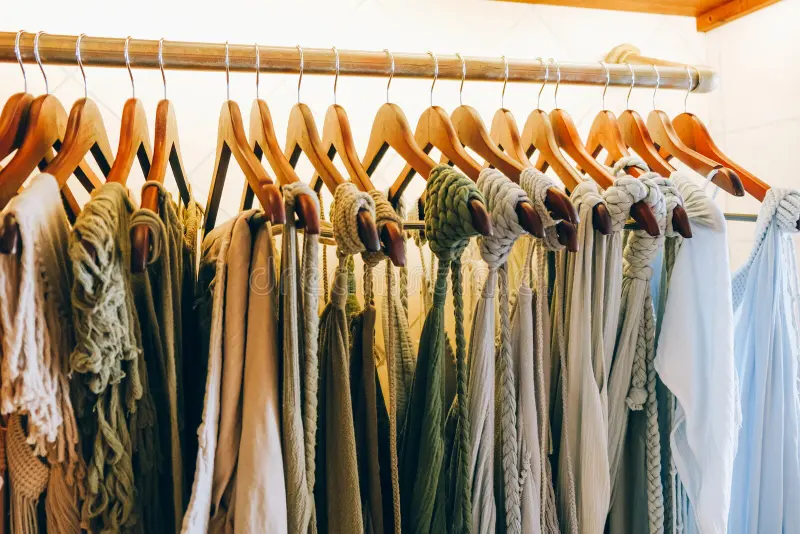
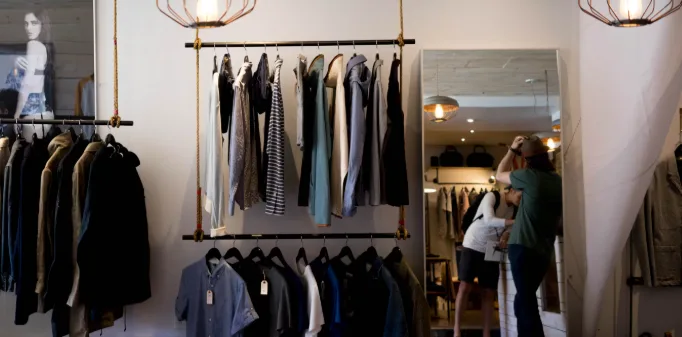
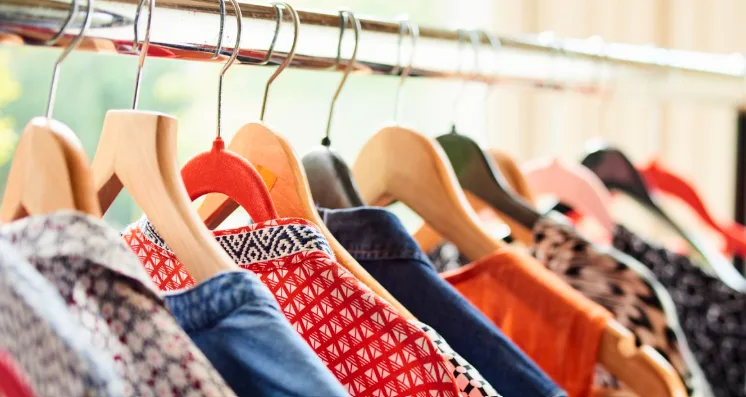
Building a high-quality, versatile wardrobe is more than just following fleeting trends. It is about investing in pieces that offer longevity, comfort, and style. Whether you are looking to refresh your seasonal collection or build a capsule wardrobe from scratch, understanding the core categories of apparel and clothing is essential. In this guide, we explore the best practices for selecting clothing, the must-have staples for every closet, and how to identify quality in an industry saturated with fast fashion.
Understanding the Core Categories of Quality Apparel
When curating the best apparel, it is important to categorize your wardrobe into functional groups. By focusing on these pillars, you ensure that you always have something appropriate to wear, regardless of the occasion. The best clothing investments are those that balance aesthetics with utility.
- Basics & Foundations: These are the items you wear daily. They should be made from durable, breathable fabrics like organic cotton, modal, or high-quality blends.
- Outerwear: Your first line of defense against the elements. Quality outerwear should be functional, weather-resistant, and timeless in design.
- Formal & Professional Wear: Tailored pieces that elevate your appearance for work or special events. Fit is the most critical factor here.
- Activewear: Clothing designed for movement. Look for moisture-wicking technology and four-way stretch fabrics.
- Footwear & Accessories: The finishing touches that define your personal style and provide comfort throughout the day.
Must-Have Apparel Staples for Every Wardrobe
If you want to master the art of dressing well, you don’t need a closet full of clothes—you need the right clothes. Here are the essential pieces that every well-curated wardrobe should feature.
The Perfect White T-Shirt
A crisp, well-fitting white tee is the backbone of casual style. When shopping for the best t-shirt, look for a heavier weight cotton that isn't transparent. A slightly boxy or tailored fit, depending on your preference, can make a simple outfit look intentional and polished.
Versatile Denim
Denim is perhaps the most enduring apparel item in history. The best approach is to own a pair of high-quality raw or dark-wash indigo jeans. They are versatile enough to be dressed up with a blazer or dressed down with a hoodie. Prioritize 100% cotton denim or denim with minimal elastane for better shape retention.
The Tailored Blazer
A structured blazer instantly upgrades any outfit. Whether you are wearing it over a dress or pairing it with trousers, a blazer adds a layer of sophistication. Look for neutral tones like navy, charcoal, or camel to ensure maximum compatibility with the rest of your wardrobe.
How to Identify High-Quality Clothing
In the world of apparel and clothing, price does not always equate to quality. To ensure you are making a smart purchase, use the following checklist to evaluate the garments before you buy.
| Feature | What to Look For | Why It Matters |
|---|---|---|
| Fabric Quality | Natural fibers (Cotton, Wool, Silk, Linen) | Breathability and long-term durability. |
| Stitching | Tight, even, and no loose threads. | Prevents seams from unraveling over time. |
| Hardware | Metal zippers and sturdy buttons. | Plastic components break easily; metal lasts. |
| Fit & Construction | French seams or reinforced edges. | Ensures the garment maintains its shape. |
Sustainable Trends in Apparel and Clothing
The modern consumer is increasingly conscious of the environmental impact of their clothing choices. Sustainable apparel is no longer a niche market; it is becoming the industry standard. Here is how you can make more eco-friendly choices:
Choose Natural and Recycled Materials
Opt for clothing made from organic cotton, hemp, Tencel, or recycled polyester. These materials generally require fewer chemicals and less water to produce compared to conventional synthetic fabrics.
The Rise of "Slow Fashion"
Slow fashion encourages buying fewer, better-quality items that are designed to last for years rather than months. By focusing on timeless silhouettes rather than micro-trends, you reduce your environmental footprint and save money in the long run.
Prioritize Ethical Manufacturing
Look for certifications like Fair Trade or GOTS (Global Organic Textile Standard). These labels indicate that the apparel was produced under safe working conditions with fair wages, ensuring that your clothing choices align with your ethical values.
Tips for Shopping for Apparel Online
Shopping for clothing online can be tricky, but with the right strategy, you can minimize returns and build a wardrobe you love. Follow these expert tips:
- Know Your Measurements: Do not rely on "size S, M, or L." Keep a measuring tape handy and compare your actual body measurements against the brand's specific size chart.
- Read Fabric Composition: Always check the product description for the material breakdown. Avoid cheap synthetic blends if you want the garment to last more than a season.
- Check User Reviews for Fit: Look for reviews that mention height, weight, and fit (e.g., "runs large," "short in the arms"). This provides real-world context that studio photos cannot offer.
- Understand Return Policies: Only shop at retailers with transparent and easy return processes. This takes the pressure off buying items that might not fit perfectly.
Seasonal Wardrobe Transitions
Transitioning your apparel from season to season is the best way to keep your wardrobe functional year-round. Instead of buying a completely new wardrobe every six months, focus on layering.
Layering for Autumn and Winter
The secret to cold-weather apparel is the "three-layer rule": a base layer (thermal or cotton), a mid-layer (sweater or cardigan), and an outer layer (coat or jacket). This allows you to adjust your body temperature as you move between indoor and outdoor environments.
Lightweight Options for Spring and Summer
Focus on fabrics that allow airflow. Linen and light-weight cotton are the best choices for warmer weather. Invest in versatile summer apparel like midi-dresses, linen trousers, and breathable polos that can transition from a beach day to a dinner date with ease.
The Psychology of Dressing Well
The best apparel is the kind that makes you feel confident. When you dress in clothing that fits your body type and personal style, it changes how you carry yourself. This is often referred to as "enclothed cognition"—the idea that what we wear affects our psychological processes. By investing in clothing that reflects your best self, you are investing in your own confidence and professional presentation.
Conclusion: Building a Wardrobe for Life
Building the best collection of apparel and clothing is a journey, not a destination. By focusing on quality over quantity, understanding the importance of fabric and construction, and staying true to your personal style, you can create a wardrobe that is both functional and expressive. Remember that the most sustainable and stylish item is the one you wear the most. Start by auditing your current closet, identifying the gaps, and slowly replacing worn-out pieces with high-quality staples that will serve you for years to come.
Whether you are a minimalist looking to streamline your life or a fashion enthusiast wanting to refine your aesthetic, the principles of quality apparel remain the same: choose well, buy less, and make it last.