The Ultimate Guide to Building a Timeless Wardrobe: Best Apparel & Clothing Essentials for Every Season
Building a versatile, high-quality wardrobe is not about chasing every fleeting trend that hits the runway. Instead, it is about curating a collection of apparel and clothing pieces that offer longevity, comfort, and style. Whether you are revamping your professional attire or seeking the perfect casual staples, understanding the fundamentals of garment quality, fabric composition, and silhouette is essential.
In this guide, we explore the best apparel and clothing categories that every individual should prioritize to create a functional, stylish, and sustainable wardrobe. By focusing on "investment pieces" rather than "fast fashion," you can save money in the long run while ensuring you always have something impeccable to wear.
Understanding the Foundation: Key Categories in Apparel & Clothing
A well-rounded wardrobe is built on a foundation of versatile items. These pieces serve as the base for almost any outfit, allowing you to transition seamlessly from day to night or from the office to a weekend outing. Below are the core categories that define the best in modern apparel.
1. Essential Outerwear
Outerwear is the first thing people notice, making it the most critical investment in your clothing collection. The best outerwear combines functionality—such as weather resistance—with a timeless aesthetic. A classic trench coat, a tailored wool overcoat, and a high-quality leather jacket are staples that transcend seasonal shifts.
2. The Power of Quality Knitwear
Knitwear provides the texture and warmth necessary for layering. When selecting sweaters and cardigans, prioritize natural fibers. Merino wool, cashmere, and high-quality cotton offer superior breathability and durability compared to synthetic alternatives. A well-maintained wool sweater can last for decades, making it a hallmark of smart apparel purchasing.
3. Tailored Bottoms and Denim
Finding the perfect fit in pants is often the most challenging aspect of shopping for clothing. Whether it is a pair of crisp, dark-wash jeans or a pair of tailored trousers, the fit is everything. Focus on mid-weight fabrics that hold their shape throughout the day, and consider investing in tailoring to ensure your garments fit your unique body proportions perfectly.
Comparison Table: Choosing the Right Fabrics
The longevity of your clothing depends heavily on the materials used. Use this table to understand the benefits of common apparel fabrics when making your next purchase.
| Fabric Type | Best For | Key Benefit |
|---|---|---|
| Organic Cotton | T-shirts, Shirts, Casual wear | Breathable, soft, and easy to care for. |
| Merino Wool | Sweaters, Base layers | Temperature regulating and odor-resistant. |
| Linen | Summer clothing, Trousers | Highly breathable and lightweight for heat. |
| Cashmere | Luxury knitwear | Exceptional softness and insulation. |
| Denim (Selvedge) | Jeans, Jackets | Extremely durable and improves with age. |
Top Tips for Selecting High-Quality Apparel
How do you distinguish a high-quality garment from one that will fall apart after two washes? Experienced shoppers look for specific indicators of craftsmanship. Here are professional tips to help you identify the best products in the apparel and clothing market:
- Check the Stitching: Look for tight, consistent stitching. Loose threads or uneven seams are immediate red flags indicating poor manufacturing quality.
- Examine the Buttons and Hardware: High-quality clothing uses robust buttons (often horn or high-grade resin) and smooth-gliding zippers. If the hardware feels flimsy, the garment likely is too.
- The Fabric Test: Hold the fabric up to the light. If it feels thin or overly transparent, it may lack the density required for long-term wear.
- Read the Care Label: Natural fibers generally require more care but offer better longevity. Be wary of complex "dry clean only" requirements if you prefer low-maintenance clothing.
- Prioritize Versatility: Before buying, ask yourself: "Can I wear this with at least three other items currently in my closet?" If the answer is no, it may not be a wise addition.
Current Trends vs. Timeless Style
While the apparel and clothing industry is driven by seasonal trends, the most stylish individuals strike a balance. It is perfectly acceptable to incorporate trendy pieces—like a bold color or a modern silhouette—into a wardrobe that is otherwise composed of classics.
The "Best" approach to modern fashion is the 80/20 rule: 80% of your wardrobe should consist of timeless, high-quality basics, while 20% can be dedicated to trend-focused items that express your current personality. This ensures you are always "on-trend" without having to replace your entire closet every six months.
Sustainable Practices in Apparel Shopping
Sustainability has become a cornerstone of the modern clothing industry. Consumers are increasingly looking for brands that prioritize ethical manufacturing and environmentally friendly materials. When shopping, consider these sustainable habits:
- Buy Less, Buy Better: Investing in one high-quality piece is more sustainable than buying five cheap, disposable alternatives.
- Care for Your Clothes: Proper washing, drying, and storage significantly extend the life of your apparel. Use garment bags for delicate items and avoid over-washing denim.
- Support Transparency: Look for brands that provide information about their supply chain and labor practices.
- Second-hand and Vintage: Some of the best clothing finds are pre-loved. Vintage items often feature superior construction compared to modern mass-produced garments.
How to Organize Your Wardrobe for Maximum Utility
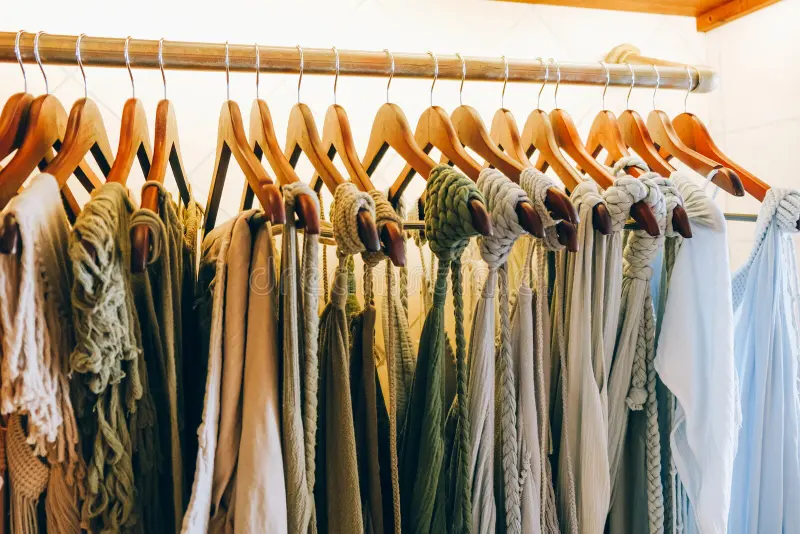
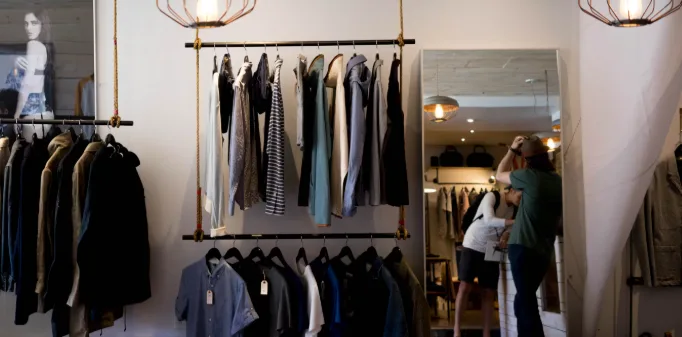
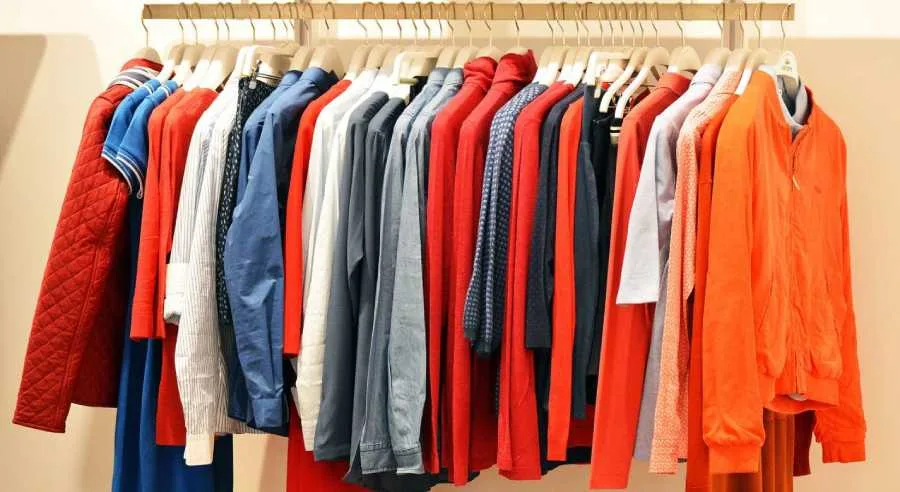
Even the best apparel and clothing can feel overwhelming if your closet is disorganized. A well-organized space allows you to see what you have, preventing unnecessary duplicate purchases. Start by categorizing your clothing by type—shirts, trousers, jackets, and knits. Use matching hangers to create a uniform look, which helps you visualize your outfits more clearly.
Additionally, consider a seasonal rotation. Store off-season items in breathable bins to protect them from dust and moths, keeping your primary closet space dedicated to the current season’s clothing. This makes getting dressed in the morning a streamlined and stress-free process.
Conclusion: The Path to a Curated Closet
The "best" apparel and clothing are those that make you feel confident, comfortable, and prepared for whatever your day holds. By focusing on quality materials, impeccable fit, and a timeless aesthetic, you can build a wardrobe that serves you for years to come. Remember that style is a personal journey; use these guidelines as a framework, but always prioritize the pieces that resonate with your personal taste and lifestyle.
Investing in your wardrobe is, ultimately, an investment in yourself. By choosing quality over quantity and making informed decisions, you are not just buying clothes—you are curating an identity that stands the test of time.