The Ultimate Guide to Choosing Quality Art and Crafts Supplies: A Beginner’s Roadmap
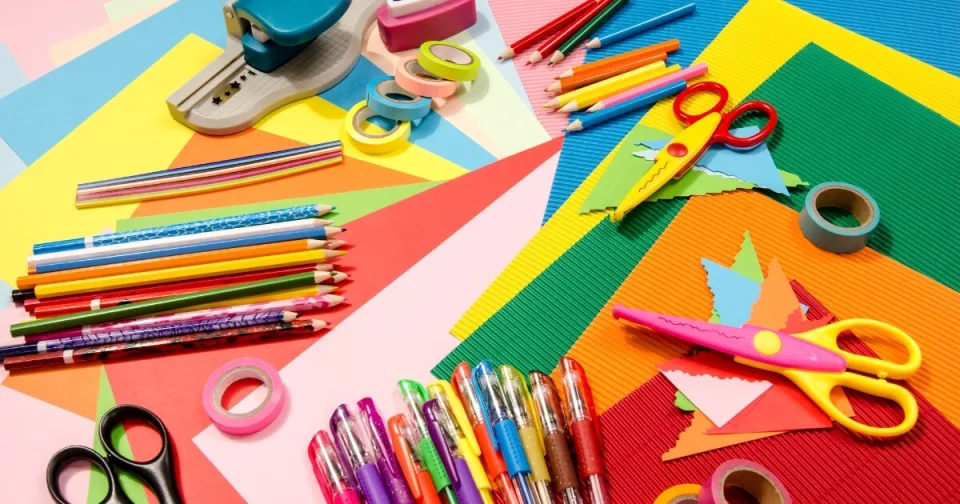
Embarking on a creative journey is one of the most rewarding experiences, whether you are picking up a paintbrush for the first time or returning to a long-lost hobby. However, the world of arts and crafts can be overwhelming. With thousands of products ranging from student-grade watercolors to professional-grade sculpting clay, knowing where to invest your budget is essential. This guide is designed to help you navigate the aisles of art supply stores with confidence, ensuring you choose the right tools to bring your creative vision to life.
Understanding the Three Tiers of Art Supplies
Before you make your first purchase, it is crucial to understand the hierarchy of art materials. Most manufacturers categorize their products into three distinct levels. Recognizing these will save you from overspending or, conversely, from getting discouraged by poor-quality materials.
- Student Grade: Designed for beginners and students. These materials are more affordable but often contain less pigment or use synthetic binders. They are perfect for learning techniques without the pressure of wasting expensive materials.
- Professional Grade (Artist Grade): These products feature the highest quality pigments, binders, and archival materials. They offer better lightfastness, smoother application, and more consistent results.
- Craft/Hobby Grade: These are specialized tools designed for specific projects like scrapbooking, card making, or home decor. They are generally not intended for archival fine art but are excellent for functional and decorative crafts.
Essential Tools for Popular Art Disciplines
Different crafts require different toolsets. Below is a breakdown of the core items you need to get started in the most popular artistic niches.
Painting and Drawing
For those interested in visual arts, the foundation lies in the quality of your pigments and your surface. If you are starting with watercolors, focus on high-quality paper rather than the paint itself; a professional paint will still look muddy on low-quality, wood-pulp paper.
Textile and Fiber Arts
If your interest lies in embroidery, knitting, or weaving, the focus shifts to the quality of the fiber. Natural fibers like wool, cotton, and linen react differently to dyes and tension than synthetic fibers. Always check the "dye lot" numbers on yarn to ensure color consistency across your project.
Sculpting and Pottery
When working with clay, the primary choice is between air-dry, polymer, and ceramic clay. Air-dry clay is excellent for beginners, while polymer clay is ideal for jewelry and small figurines due to its durability after baking.
Comparison Table: Selecting the Right Medium
| Medium | Best For | Skill Level | Budget Impact |
|---|---|---|---|
| Watercolors | Transparent, delicate washes | Beginner to Pro | Moderate |
| Acrylics | Versatile, fast-drying projects | All levels | Low to Moderate |
| Oil Pastels | Rich, textured illustrations | Intermediate | Moderate |
| Polymer Clay | Jewelry, miniatures | Beginner | Low |
Tips for Building Your Art Supply Kit on a Budget
You do not need to break the bank to build a professional-quality studio. Smart shopping habits can help you acquire premium tools over time.
- Buy Open Stock: Instead of buying large, expensive sets, purchase individual "open stock" tubes of paint or pencils. This allows you to test the quality of a brand without committing to a full set.
- Prioritize Surfaces: If you have to choose between a cheap brush and a high-quality canvas or paper, choose the surface. A good surface can make cheap paint look better, but a bad surface will make professional paint look poor.
- Look for Lightfastness Ratings: If you plan on selling your work or hanging it on a wall, check the lightfastness rating (usually denoted by stars or Roman numerals). This tells you how well the color will resist fading over time when exposed to sunlight.
The Importance of Archival Quality
If you are creating work that you intend to keep for years or sell, "archival" is a keyword you must look for. Archival materials are acid-free and pH-neutral, meaning they won't yellow, crumble, or degrade over time. When buying sketchbooks, canvas boards, or mounting adhesives, always ensure they are labeled as acid-free.
Trending Crafts to Explore in 2024
The arts and crafts community is constantly evolving. Staying aware of current trends can provide inspiration for your next project:
Sustainable Crafting
Many artists are shifting toward eco-friendly materials. This includes using recycled paper, natural dyes made from food waste, and non-toxic, water-based adhesives. Look for brands that prioritize sustainable sourcing and minimal packaging.
Mixed Media Art
Mixed media is gaining popularity because it allows for total creative freedom. By combining acrylics, collage, ink, and textiles, artists can create layered, complex works. This is a great way to use up "leftover" supplies from other projects.
Digital-Analog Hybridization
Many traditional artists are now using digital tools to plan their compositions, color palettes, and sketches before transferring them to physical media. Investing in a basic drawing tablet can be a game-changer for your traditional craft workflow.
How to Maintain Your Tools for Longevity
Buying high-quality tools is only half the battle; maintaining them is what ensures they last. Proper care not only saves money but also improves the quality of your work.
- Brush Care: Never leave brushes sitting in water, as this destroys the ferrule and causes the bristles to splay. Always clean them with a gentle soap specifically designed for art brushes and reshape them while wet.
- Storage: Keep pencils and markers horizontal or with the nibs facing down to prevent the ink or core from drying out. Store paints in a cool, dry place away from direct sunlight.
- Tool Sharpening: For carving tools or craft knives, keep your blades sharp. A dull blade is not only frustrating to use but also dangerous, as it requires more force and is more likely to slip.
Final Thoughts: Finding Your Creative Voice
The most important piece of advice for any crafter is to remember that your tools are merely extensions of your imagination. While high-quality materials can make the process smoother and the results more professional, they cannot replace practice and passion. Start with a few versatile, high-quality staples, experiment with different mediums, and don't be afraid to make mistakes. Every "failed" project is simply a lesson in what materials and techniques work best for your unique artistic voice.
As you grow in your craft, your supply kit will naturally evolve. Trust your instincts, read reviews, and focus on the joy of creating rather than the pressure of perfection. Happy crafting!