The Ultimate Guide to Choosing the Best Event Planners and Essential Planning Tools
Planning an event, whether it is a corporate conference, a dream wedding, or a high-profile product launch, is a monumental task that requires precision, creativity, and nerves of steel. Many people wonder if they should hire professional help or tackle the logistics themselves. The truth is, the success of any gathering often hinges on the expertise behind the scenes. In this comprehensive guide, we explore how to identify the best event planners, the essential tools they use, and how to elevate your next occasion from ordinary to extraordinary.
Why You Need the Best Event Planners for Your Next Occasion
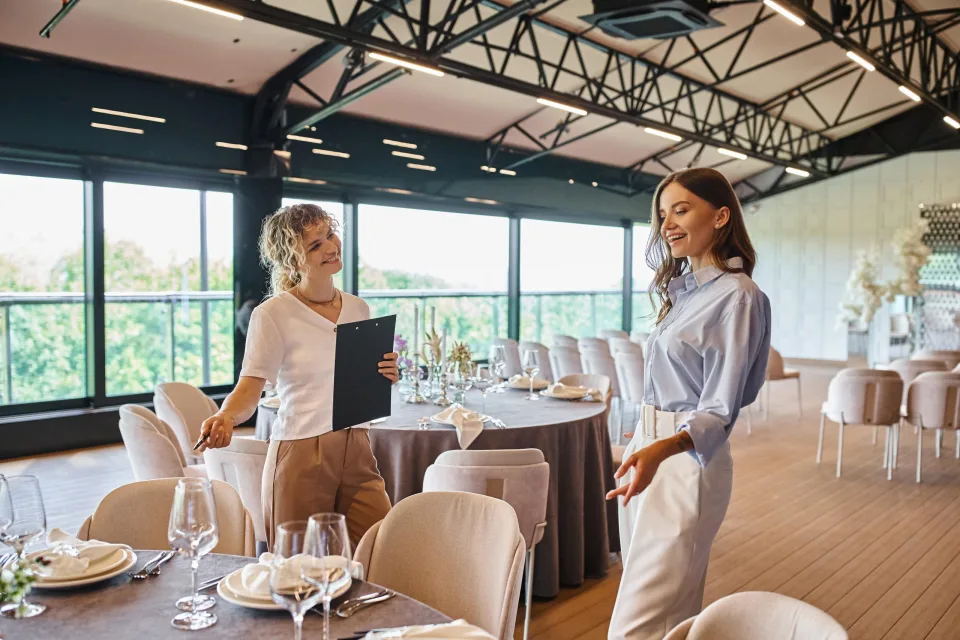
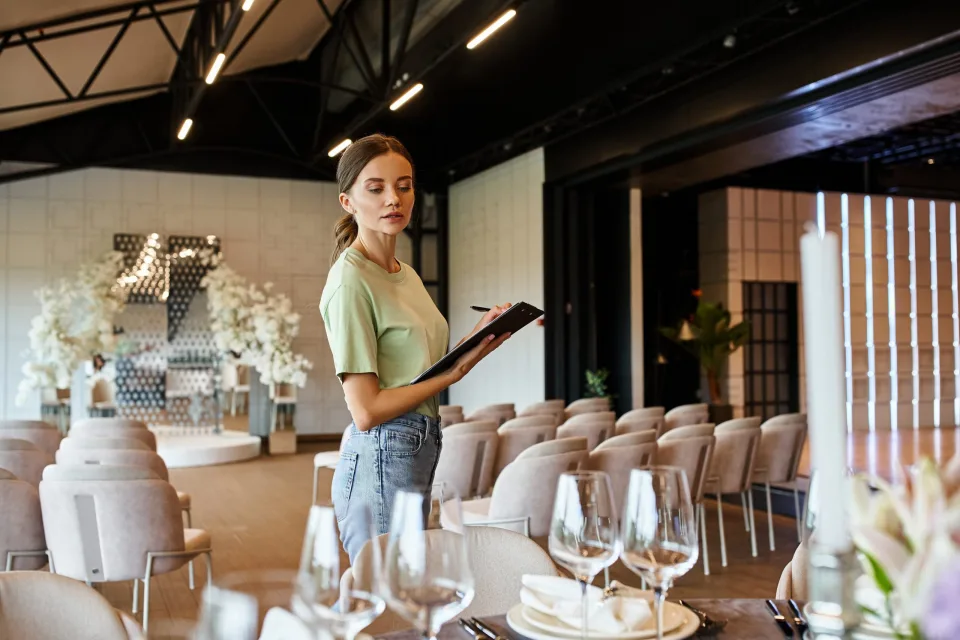
Event planners are the architects of experience. They do not just book venues and caterers; they curate atmospheres, manage complex timelines, and act as a buffer against the inevitable chaos of live events. When you hire the best in the industry, you are investing in peace of mind.
The primary advantage of working with top-tier event planners is their network. They have pre-established relationships with the best vendors, from florists and lighting technicians to AV specialists. These relationships often lead to better pricing, priority scheduling, and access to exclusive venues that might otherwise be unavailable to the general public.
Key Qualities to Look For
- Crisis Management Skills: Can they think on their feet when a speaker cancels or the weather takes a turn?
- Budget Stewardship: Do they respect your financial boundaries while maximizing the visual impact?
- Creative Vision: Are they capable of translating your abstract ideas into a cohesive, tangible theme?
- Attention to Detail: Do they track the small things, like dietary restrictions or guest flow, that others might overlook?
Essential Tools Used by Top Event Planners
Behind every seamless event is a suite of digital tools and physical products that keep the planning process on track. Whether you are an aspiring planner or a client looking to understand the process, knowing these tools is vital. The best event planners leverage technology to reduce human error and improve communication.
| Tool Category | Purpose | Popular Examples |
|---|---|---|
| Project Management | Tracking tasks, deadlines, and team collaboration. | Asana, Trello, Monday.com |
| Event Registration | Managing RSVPs, ticketing, and guest data. | Eventbrite, Cvent, Bizzabo |
| Budgeting Software | Real-time tracking of expenses vs. estimates. | Excel, Quickbooks, specialized event apps |
| Floor Plan Design | Visualizing room layouts and seating arrangements. | Social Tables, AllSeated |
Trends Shaping the Future of Event Planning
The landscape of event planning is evolving rapidly. To remain at the top of the field, planners must integrate modern trends that prioritize sustainability, technology, and personalization. If you are looking for the best event planners to hire, ensure they are fluent in these emerging practices.
1. Sustainability and Eco-Conscious Events
Modern audiences are increasingly aware of the environmental footprint of large gatherings. The best planners are now experts in "green" events. This includes minimizing single-use plastics, sourcing locally grown food to reduce transport emissions, and utilizing digital signage instead of printed programs.
2. Hybrid Event Experiences
Post-pandemic, the hybrid model has become a staple. The best event planners now specialize in bridging the gap between physical and virtual attendees. This requires high-end AV equipment, interactive streaming platforms, and engagement strategies that ensure remote participants feel just as included as those in the room.
3. Hyper-Personalization
Gone are the days of "one size fits all." Today, guests expect tailored experiences. This might involve personalized agendas, custom digital gift bags, or interactive stations that cater to specific attendee interests. Planners are now using data analytics to understand attendee preferences before they even walk through the door.
How to Evaluate Potential Event Planners
Choosing the right partner is the most critical decision you will make. Do not simply rely on a beautiful portfolio; you need to vet them based on their operational reliability. Start by asking for references from past clients who hosted events of a similar scale and complexity to yours.
Questions to Ask During the Interview
- How do you handle budget overages if an unforeseen cost arises?
- Can you walk me through your process for managing vendor contracts?
- What is your communication protocol during the final 48 hours before the event?
- How do you ensure the safety and security of all guests?
- Can you provide a case study of a time when a major problem occurred and how you resolved it?
The ROI of Hiring Professional Event Planners
Many clients hesitate to hire professional planners due to the upfront cost. However, when you look at the big picture, the best event planners often pay for themselves. They prevent costly mistakes, negotiate better vendor rates, and save you hundreds of hours of labor. Furthermore, the quality of the event they produce often leads to higher attendee satisfaction, better networking outcomes, and increased brand loyalty for corporate clients.
Consider the "hidden" costs of DIY planning: lost productivity, stress-induced errors, and the potential for a poorly executed event to damage your professional reputation. When you view event planning as an investment rather than an expense, the value of professional expertise becomes clear.
Preparing for Your First Consultation
To get the most out of your meetings with prospective planners, come prepared. The more information you provide, the more accurate their proposals will be. Have a clear idea of your primary objectives, your "must-haves" versus your "nice-to-haves," and a realistic understanding of your budget.
Remember that the best event planners are collaborators. They want to help you succeed, but they need a clear brief to do so. Be transparent about your limitations and open to their professional advice. Often, the best ideas come from the friction between a client’s dream and a planner’s technical expertise.
Final Thoughts on Mastering Event Logistics
Whether you are hosting an intimate board meeting or a grand gala, the principles of successful event planning remain the same: preparation, communication, and adaptability. By focusing on the best event planners, utilizing the right technological tools, and staying ahead of industry trends, you can ensure that your event is not just a success, but a memorable experience for everyone involved.
As you move forward with your planning, remember that the goal is to create a seamless flow where the guests are never aware of the hard work happening behind the scenes. That is the hallmark of a truly great event planner—they make the difficult look effortless.