The Ultimate Guide to Choosing the Best Fitness Equipment for Your Home Gym
Creating a home gym is one of the most rewarding investments you can make for your health and longevity. Whether you are a beginner looking to lose weight or an advanced athlete aiming for peak performance, having the right equipment at your fingertips removes the friction of traveling to a commercial gym. However, with the vast array of fitness gear available today, choosing the right tools can feel overwhelming.
This comprehensive guide will walk you through the essential considerations for building a functional, efficient, and durable home gym, ensuring you invest your budget wisely in equipment that supports your long-term fitness goals.
1. Assessing Your Space and Fitness Goals
Before purchasing a single dumbbell or treadmill, you must define your fitness objectives and evaluate your available space. Fitness equipment is not one-size-fits-all; a powerlifter’s needs differ drastically from someone focusing on HIIT or yoga.
Defining Your Training Style
- Strength Training: Focus on free weights, racks, and benches.
- Cardiovascular Health: Prioritize treadmills, rowers, or stationary bikes.
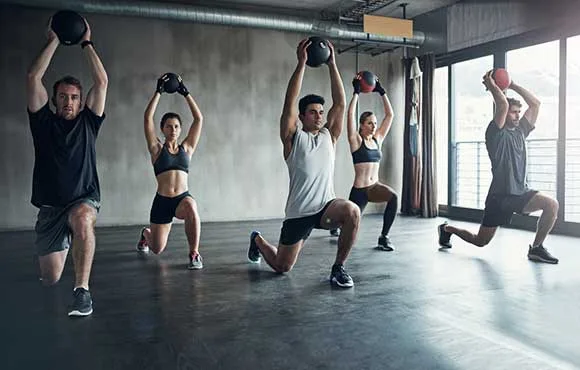
- Functional Fitness/HIIT: Look for kettlebells, plyometric boxes, and resistance bands.
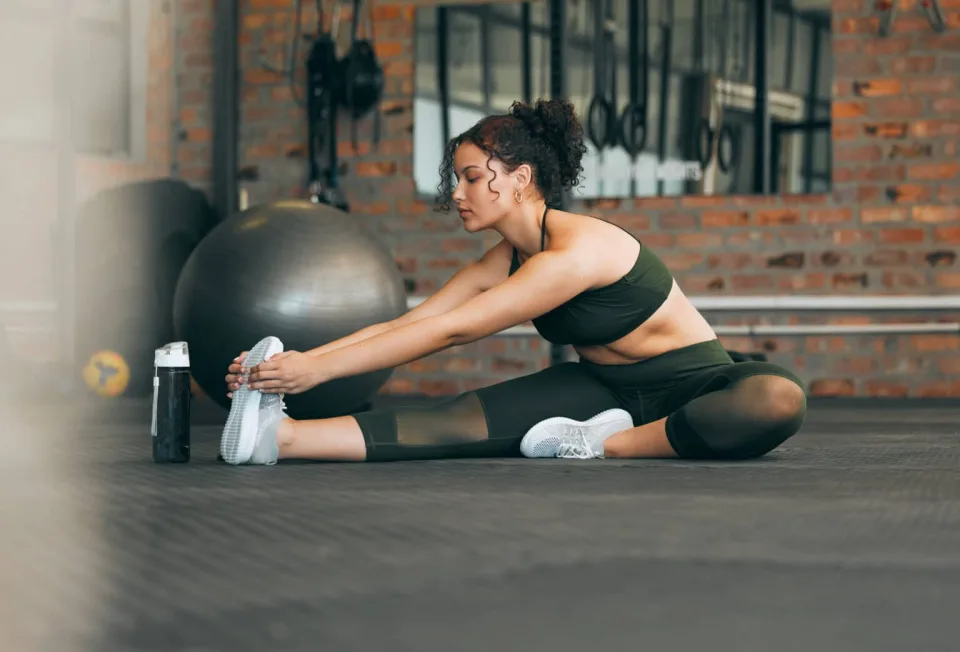
- Flexibility and Recovery: Invest in high-quality mats, foam rollers, and massage guns.
Measure your space carefully. A common mistake is buying large machinery that consumes the entire room, leaving no space for movement. If you have limited space, look for "space-saving" or foldable equipment that can be stored away after use.
2. Essential Categories of Fitness Equipment
To build a well-rounded fitness regimen, it is helpful to categorize equipment based on the type of stimulus it provides. Here is a breakdown of the core categories you should consider.
Cardio Equipment
Cardio machines are excellent for improving heart health and burning calories. When choosing cardio gear, consider the "impact" level. If you have joint issues, low-impact machines like rowers or elliptical trainers are superior to treadmills.
Strength Training Gear
Strength training is the cornerstone of metabolic health. Beginners often start with adjustable dumbbells, which save space and provide a wide range of weights. As you progress, a squat rack and an Olympic barbell set become the gold standard for home strength training.
Mobility and Recovery Tools
Often overlooked, recovery tools are essential for preventing injury. Investing in a quality yoga mat, a set of resistance bands for stretching, and a percussion massage gun can significantly improve your recovery time between sessions.
3. Comparison Table: Choosing the Right Equipment
The following table helps you weigh the pros and cons of common home gym staples based on common fitness priorities.
| Equipment Type | Best For | Space Required | Cost Level |
|---|---|---|---|
| Adjustable Dumbbells | Strength & Hypertrophy | Minimal | Moderate |
| Treadmill | Endurance & Weight Loss | High | High |
| Resistance Bands | Mobility & Travel | None | Low |
| Rowing Machine | Full-body Cardio | Medium | Moderate-High |
| Kettlebells | Functional Strength | Low | Moderate |
4. Key Factors to Consider Before Buying
When you are ready to make a purchase, don't just look at the price tag. Evaluate the product based on these four critical pillars:
Durability and Build Quality
Fitness equipment takes a beating. Check the weight capacity of benches and racks. For cardio machines, look for solid steel frames rather than plastic housings. A higher-quality machine will not only last longer but will also provide a smoother, more stable experience that reduces the risk of injury.
Versatility
Ask yourself: "Can I perform multiple exercises with this piece of equipment?" For example, a power rack is highly versatile, allowing for squats, overhead presses, pull-ups, and—with attachments—cable work. Avoid "single-use" machines that only target one specific muscle group unless you have unlimited space.
Maintenance Requirements
Consider the upkeep. Does the treadmill require belt lubrication? Do the stationary bike components need tightening? Choose equipment that matches your willingness to perform regular maintenance. Simple, mechanical equipment (like barbells and plates) generally requires less maintenance than complex electronic machines.
Budgeting and Value
Don't fall for the trap of buying the cheapest equipment available. Cheap weights may be poorly balanced, and low-end treadmills often have weak motors that burn out quickly. It is better to buy one or two high-quality pieces of equipment that will last a decade than to fill your gym with cheap gear that breaks within a year.
5. The Progressive Approach: How to Build Your Gym Over Time
You do not need to build your entire home gym in one weekend. In fact, a gradual approach allows you to learn what you actually enjoy using. Follow this roadmap:
Phase 1: The Foundation (Budget: Low)
Start with items that take up no space and offer high utility:
- A high-quality exercise mat.
- A set of varying resistance bands.
- A jump rope for cardio.
Phase 2: The Strength Builder (Budget: Moderate)
Once you are consistent, upgrade your strength training:
- A pair of adjustable dumbbells.
- An adjustable weight bench.
- A pull-up bar (doorway mounted).
Phase 3: The Performance Suite (Budget: High)
When you are ready to commit to long-term training:
- A power rack or squat stand.
- An Olympic barbell and bumper plates.
- A dedicated cardio machine (rower or bike).
6. Safety Tips for Home Workouts
Working out alone at home requires extra attention to safety, as you may not have a spotter or a trainer to correct your form.
- Always warm up: Never jump into heavy lifting with cold muscles. Spend 5-10 minutes on dynamic stretching.
- Use mirrors: If possible, place a mirror in your gym area to monitor your form during exercises like squats or deadlifts.
- Safety pins: If you are lifting heavy alone, always use a power rack with safety pins set at the correct height.
- Floor protection: Invest in high-density rubber gym flooring. It protects your subfloor from dropped weights and reduces noise.
7. Current Trends in Fitness Equipment
The fitness industry is evolving rapidly. Two major trends are currently shaping the market: smart connectivity and compact design.
Smart equipment now integrates with apps to track your metrics, offer live classes, and adjust resistance automatically. While these features are enticing, remember that data is only useful if it helps you stay consistent. Do not prioritize "smart" features over the fundamental build quality of the machine.
Additionally, the shift toward minimalist home gyms is gaining momentum. People are moving away from bulky machines in favor of versatile, easily stored tools like suspension trainers (TRX), parallettes, and sandbags. These tools allow for intense, full-body workouts without sacrificing your living space.
Conclusion
Building a home gym is a personal journey. By focusing on your specific goals, prioritizing quality over quantity, and expanding your equipment collection progressively, you can create a space that inspires you to show up every day. Remember, the best piece of fitness equipment is the one you actually use. Whether it is a simple set of kettlebells or a fully equipped rack, consistency remains the most important factor in achieving your fitness results. Start small, stay safe, and enjoy the process of becoming the strongest version of yourself.