The Ultimate Guide to Choosing the Best Shoes for Every Occasion: A Comprehensive Handbook
Finding the perfect pair of shoes is more than just a matter of aesthetics; it is a fundamental necessity for comfort, posture, and overall health. With thousands of options flooding the market, from high-performance athletic trainers to sophisticated formal footwear, navigating the world of footwear can be overwhelming. Whether you are an athlete, a busy professional, or someone who values everyday comfort, understanding what makes a shoe "the best" is essential for your wardrobe and your well-being.
In this comprehensive guide, we will break down the essential categories of footwear, the technology behind high-quality construction, and expert tips on how to select the best shoes for your specific needs.
Understanding Foot Anatomy and Shoe Selection
Before diving into specific styles, it is crucial to understand that your feet are the foundation of your body. Wearing ill-fitting shoes is one of the leading causes of chronic foot, knee, and back pain. When shopping for the best shoes, you must consider your foot arch and gait.
Identifying Your Arch Type
- High Arches: Usually require shoes with extra cushioning and flexibility to absorb shock.
- Neutral Arches: Can handle a variety of shoe types but generally benefit from moderate stability.
- Flat Feet: Require motion-control shoes or firm insoles to prevent overpronation (the rolling inward of the foot).
The Best Shoes for Athletic Performance
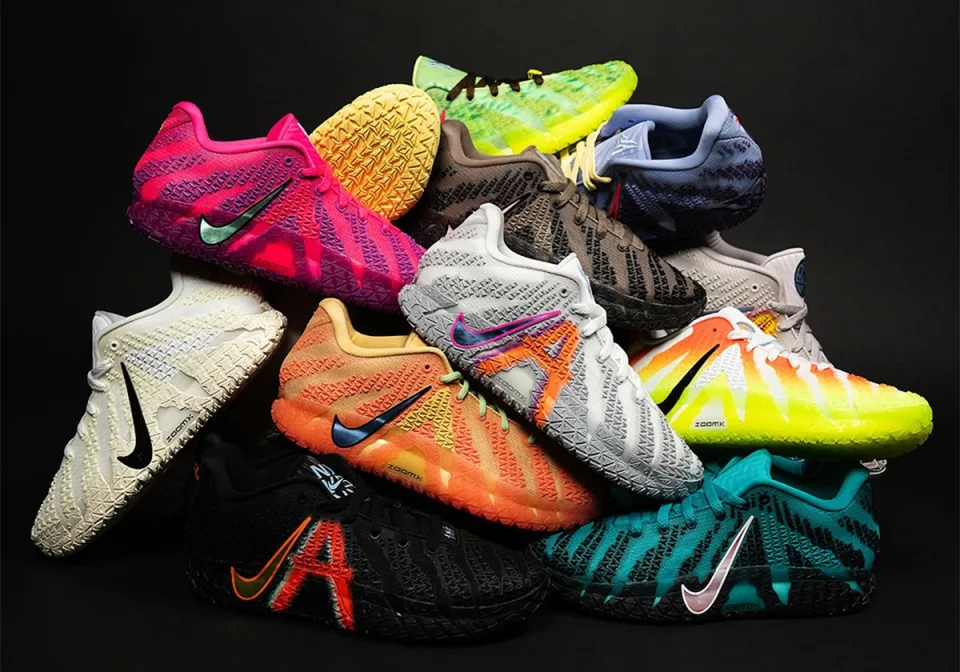
Performance footwear is engineered with specific mechanics in mind. The best athletic shoes are not "one size fits all"; they are categorized by the intensity and type of movement they support.
Running vs. Training Shoes
Many consumers make the mistake of using running shoes for gym workouts. Running shoes are designed for forward motion and heel-to-toe transitions, often featuring significant cushioning. Training shoes, conversely, are designed for lateral (side-to-side) movement, featuring a flatter sole and more structural support to prevent ankle rolls during weightlifting or HIIT workouts.
| Feature | Running Shoes | Training/Cross-Training Shoes |
|---|---|---|
| Primary Motion | Forward/Linear | Multi-directional/Lateral |
| Cushioning | High (Heel-focused) | Moderate (Balanced) |
| Sole Flexibility | High (at the forefoot) | Low (for stability) |
Essential Footwear for Professional Environments
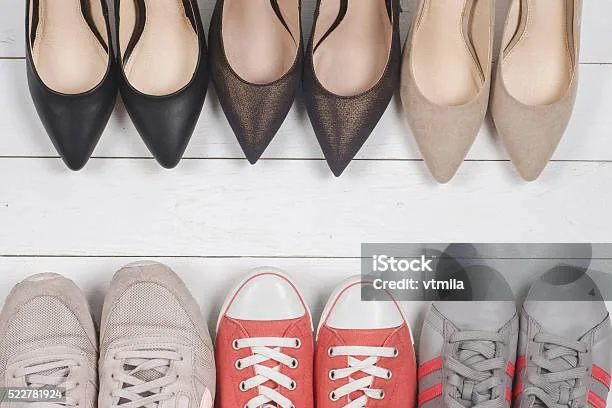
In a professional setting, your shoes communicate your attention to detail. However, "best" in this category balances professional appearance with ergonomic support. Long hours on your feet require features that traditional dress shoes often lack.
Key Features of Quality Dress Shoes
- Breathable Linings: Leather or high-quality synthetic linings prevent moisture buildup.
- Arch Support: Look for shoes with contoured footbeds rather than completely flat insoles.
- Shock-Absorbing Heels: Rubber-injected heels provide comfort on hard office floors compared to hard leather soles.
Casual and Lifestyle Footwear: Where Comfort Meets Style
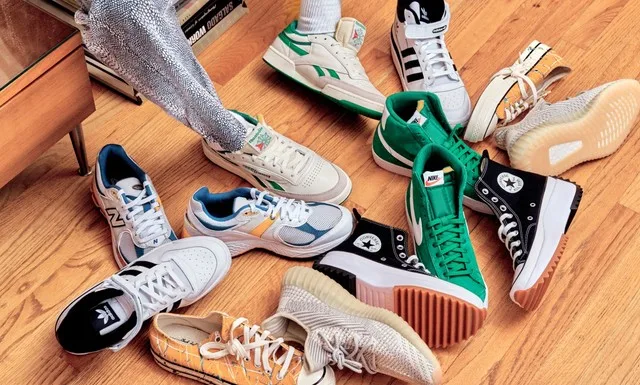
Lifestyle shoes—often referred to as "sneakers" or "casual walkers"—are the most versatile items in any closet. The best lifestyle shoes are those that can transition from a morning commute to a casual dinner.
Trends in Modern Casual Footwear
The current trend in the footwear industry is the "hybrid" shoe. Consumers are moving away from overly rigid designs toward lightweight, breathable materials like engineered mesh or sustainable knit fabrics. These materials conform to the shape of the foot, reducing friction and the likelihood of blisters.
How to Buy the Best Shoes: A Step-by-Step Guide
Purchasing the best shoes requires a methodical approach. Follow these tips to ensure you never waste money on footwear that ends up collecting dust in your closet.
1. Shop at the Right Time
Always shop for shoes in the late afternoon or evening. Your feet naturally swell throughout the day due to gravity and activity. Trying on shoes when your feet are at their largest ensures you won't end up with a pair that feels tight by 5:00 PM.
2. The Thumb-Width Rule
When standing, there should be approximately one thumb-width of space between your longest toe and the front of the shoe. If there is less space, the shoe is too small; if there is more, your foot will slide, causing instability and blisters.
3. Check the "Bend" Point
Hold the shoe and try to bend it. The shoe should flex at the ball of the foot—the same place where your foot naturally bends when you walk. If the shoe bends in the middle of the arch, it lacks the necessary structural integrity to support your weight.
Maintaining Your Footwear Investment
Even the best shoes will deteriorate quickly without proper care. Extending the life of your footwear is both eco-friendly and cost-effective.
- Rotation: Never wear the same pair of shoes two days in a row. Shoes need at least 24 hours to dry out from sweat and moisture.
- Cleaning: Use appropriate cleaners for the material. Leather requires conditioners, while mesh sneakers can often be cleaned with a gentle brush and mild soap.
- Storage: Keep shoes in a cool, dry place away from direct sunlight, which can crack leather and fade synthetic colors.
The Future of Footwear: Sustainability and Technology
The footwear industry is undergoing a massive shift toward sustainability. We are seeing an increase in the use of recycled ocean plastics, mushroom-based leather alternatives, and 3D-printed midsoles that are customized to an individual's unique foot scan.
When looking for the best shoes in the coming years, keep an eye on brands that prioritize circular manufacturing. Not only do these shoes offer high performance, but they also minimize your carbon footprint, making them the best choice for both you and the planet.
Final Thoughts: Your Feet Deserve the Best
Choosing the best shoes is an investment in your long-term mobility. By prioritizing fit over trends, understanding the specific mechanics of your activity, and maintaining your footwear properly, you can ensure that every step you take is supported and comfortable. Remember, the "best" shoe is not necessarily the most expensive one; it is the one that fits your foot shape, matches your activity level, and provides the support your body needs to carry you through your day with ease.
Take the time to measure your feet regularly, consult with professionals if you have specific foot issues, and don't be afraid to test different styles. Your feet will thank you for it.