The Ultimate Guide to Choosing the Best Toys: A Developmental Approach for Every Age
Choosing the perfect toy is more than just picking something colorful off a shelf. Toys are the primary tools through which children explore the world, develop cognitive skills, and refine their motor abilities. Whether you are shopping for a curious toddler, an imaginative preschooler, or a tech-savvy pre-teen, understanding the developmental needs of each age group is essential to making an informed choice.
In this comprehensive guide, we will walk you through the essential factors to consider when selecting toys, the best categories for different developmental stages, and how to balance safety with entertainment value.
Why Toy Selection Matters for Child Development
Toys serve as the "work" of childhood. Through play, children learn how to solve problems, regulate emotions, and interact with their environment. When a toy is appropriately matched to a child's developmental stage, it fosters "flow"—a state of deep engagement that maximizes learning. Conversely, a toy that is too advanced can cause frustration, while one that is too simple may lead to boredom.
Key areas of development influenced by play include:
- Cognitive Skills: Problem-solving, logic, and spatial awareness.
- Fine and Gross Motor Skills: Hand-eye coordination, balance, and dexterity.
- Social and Emotional Intelligence: Sharing, empathy, and role-playing.
- Creativity and Imagination: Abstract thinking and artistic expression.
Age-by-Age Toy Buying Guide
Navigating the toy aisle can be overwhelming. To simplify your shopping experience, we have categorized the best types of toys based on typical developmental milestones.
Infants (0–12 Months): Sensory Exploration
At this stage, toys should focus on sensory stimulation. Infants are learning to track objects with their eyes, grasp items, and understand cause-and-effect relationships.
- High-contrast books: Stimulate visual development.
- Soft, textured rattles: Help with tactile exploration and grasping.
- Floor gyms: Encourage tummy time and reaching movements.
Toddlers (1–3 Years): Active and Constructive Play
Toddlers are constantly on the move. They are refining their balance and beginning to engage in simple pretend play. Look for toys that encourage physical movement and basic manipulation.
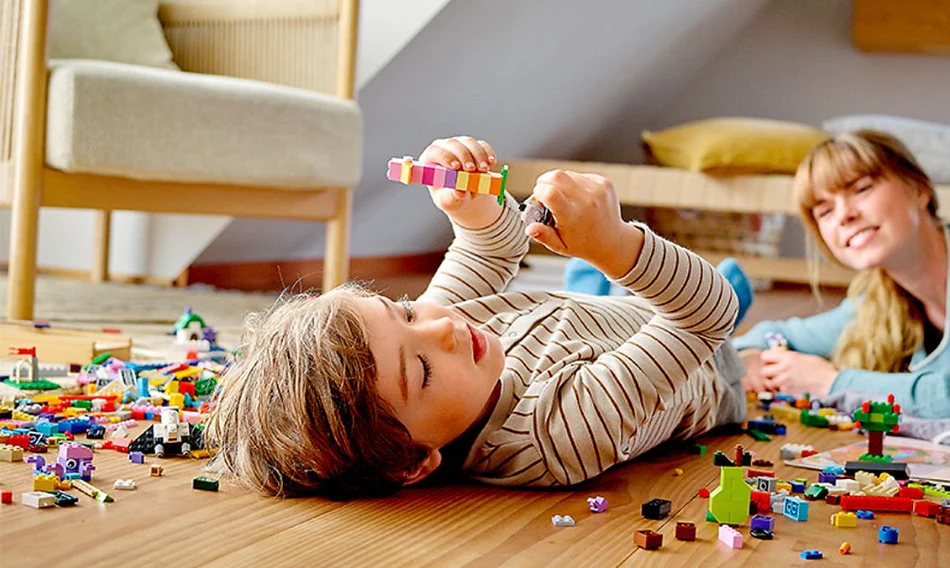
- Building blocks: Teach spatial relationships and balance.
- Push-and-pull toys: Support walking confidence and gross motor skills.
- Shape sorters: Introduce problem-solving and categorization.
Preschoolers (3–5 Years): The Golden Age of Imagination
This is the prime age for "pretend play." Preschoolers are developing language skills and enjoy scenarios that mimic adult life. They are also beginning to engage in cooperative play with peers.
- Dress-up kits: Foster empathy and narrative building.
- Art supplies: Encourage self-expression and fine motor control.
- Puzzles (12–24 pieces): Build persistence and logic.
School-Age Children (6–12 Years): Strategy and Complexity
Children in this age group are capable of following complex rules and enjoy toys that offer a challenge. This is the time for STEM toys, strategy games, and hobby-based play.
- Board games: Teach patience, strategy, and sportsmanship.
- Advanced building sets: Promote engineering and design thinking.
- Science kits: Provide hands-on experience with chemistry and physics.
Key Considerations Before You Buy
Beyond the age range, several practical factors should influence your purchasing decisions. Use the table below to evaluate potential toys before bringing them home.
| Factor | Why it Matters | What to Look For |
|---|---|---|
| Durability | Toys that break easily cause frustration and waste money. | Sturdy materials like solid wood, high-quality BPA-free plastic, or reinforced fabric. |
| Open-Endedness | Toys that can be used in multiple ways have a longer lifespan. | Blocks, art materials, or basic figures that don't dictate a single outcome. |
| Safety Standards | Small parts pose choking hazards for younger children. | Check for age-appropriateness labels and non-toxic, lead-free paint certifications. |
| Engagement Level | A toy should challenge the child, not just entertain them passively. | Avoid toys that do all the "work" (e.g., loud, flashing electronic toys with limited interaction). |
The Rise of STEM and Open-Ended Play
In recent years, there has been a significant shift toward STEM (Science, Technology, Engineering, and Math) toys. While these are excellent for building academic foundations, it is important not to overlook the value of "open-ended" play.
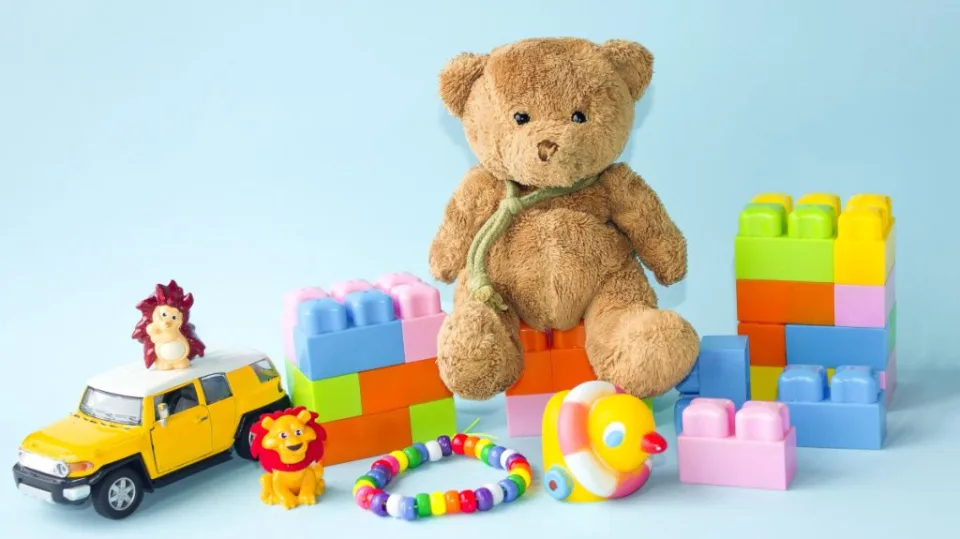
Open-ended toys are those that do not have a specific "correct" way to be played with. A set of plain wooden blocks can become a castle, a space station, or a fence for toy animals. These toys are arguably the most valuable in a child’s collection because they force the child to become the active creator rather than a passive consumer of entertainment.
How to Maintain and Organize Your Toy Collection
A cluttered playroom can actually discourage play. When children have too many toys, they often struggle to choose, leading to less meaningful interaction with any single item. Consider these tips for managing your toy collection:
- Toy Rotation: Keep only a selection of toys available at any given time. Store the rest in bins and swap them out every few weeks. This keeps toys feeling "new" and exciting.
- Categorized Storage: Use clear bins to organize toys by type (e.g., building sets, puzzles, vehicles). This helps children learn to tidy up and makes it easier to find specific pieces.
- Quality over Quantity: Investing in a few high-quality, durable toys is better than filling a room with cheap, disposable items that will break within a month.
Safety First: A Checklist for Parents
Safety is the most critical aspect of choosing toys. Regardless of how educational or fun a toy appears, it must be safe for the intended user.
- Check for Choking Hazards: For children under three, ensure no parts are small enough to fit inside a toilet paper roll.
- Inspect Materials: Look for "non-toxic" labels. Avoid toys with sharp edges, long cords (strangulation risk), or loose magnets.
- Read Reviews: Look for reports of recalls or recurring quality issues from other parents.
- Supervision: Even the safest toys require adult supervision, especially when children are playing with items that have moving parts or small accessories.
Conclusion: Choosing Toys with Purpose
The best toys are those that disappear into the background of a child's imagination. Whether it is a simple set of blocks, a complex science kit, or a classic board game, the goal is to provide a platform for growth. By focusing on age-appropriateness, durability, and open-ended potential, you can build a collection of toys that will not only provide hours of entertainment but will also support your child’s journey through the most important years of their development.
Remember, the most important component of any toy is the play itself. Spend time engaging with your child, asking questions about what they are building, and joining in on their imaginary worlds. That interaction is, and always will be, the most valuable "toy" a child can have.