The Ultimate Guide to Choosing the Best Toys: Trends, Developmental Benefits, and Buying Tips
Selecting the right toy is more than just a trip down the aisle of a department store; it is an investment in a child’s cognitive, social, and physical development. With the toy industry evolving rapidly through technology, sustainable materials, and educational innovation, parents and gift-givers often find themselves overwhelmed by the sheer volume of choices. Whether you are looking for the best educational toys for toddlers or the most engaging STEM kits for older children, understanding the core principles of play is essential.
Understanding the Developmental Stages of Play
To choose the best toys, one must first understand that play is the primary language of childhood. Different age groups require different stimuli to foster growth. Toys are not just sources of entertainment; they are tools that bridge the gap between imagination and reality.
Infants (0–12 Months): Sensory Exploration
At this stage, babies learn through their senses. The best toys for infants are those that encourage grasping, reaching, and tracking movement. High-contrast mobiles, soft textured books, and rattles that produce gentle sounds help develop fine motor skills and sensory processing.
Toddlers (1–3 Years): Active Discovery
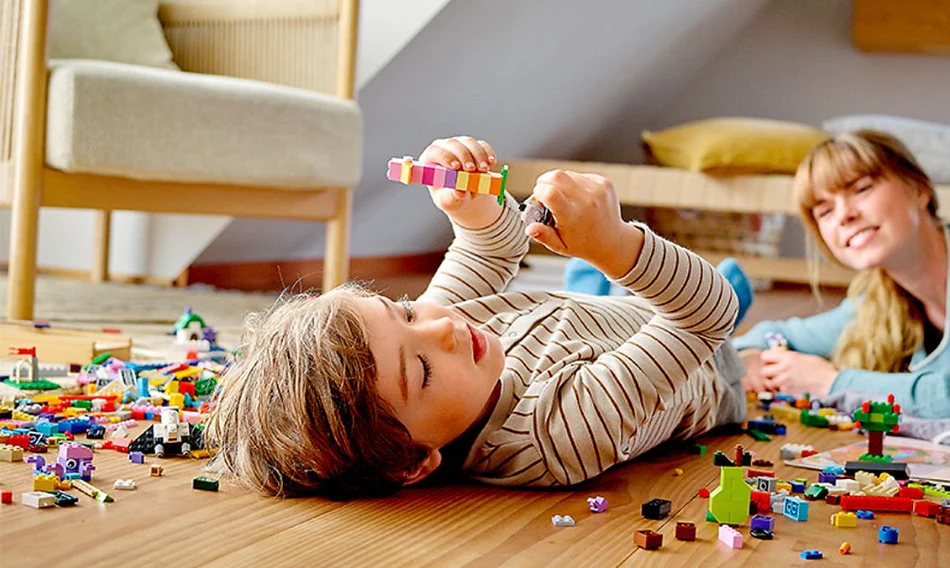
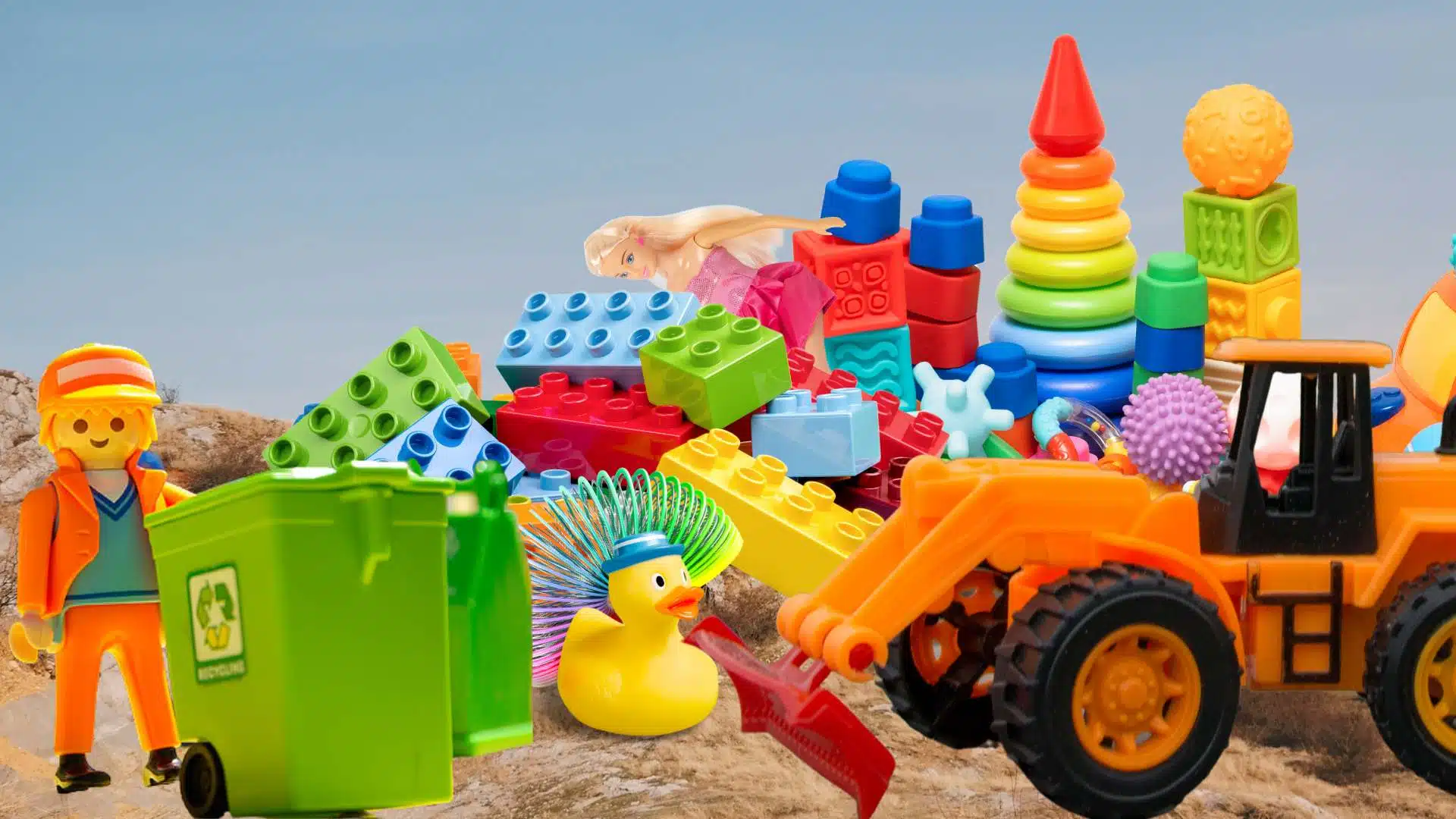
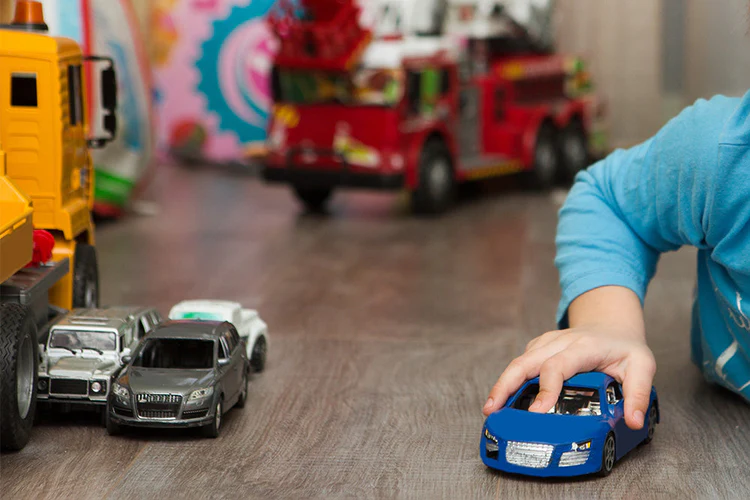
Toddlers are natural explorers. They thrive on toys that allow them to push, pull, stack, and sort. Building blocks, shape sorters, and push-along toys help improve hand-eye coordination and spatial awareness. During these years, "open-ended" toys—those that don't have a single "right" way to be used—are superior for cognitive development.
Preschoolers (3–5 Years): Imaginative Play
This is the golden age of pretend play. Preschoolers benefit from toys that facilitate role-playing, such as play kitchens, costumes, and action figures. These toys help children process social interactions, practice empathy, and develop language skills.
School-Age Children (6+ Years): Logic and STEM
As children enter school, their attention spans increase. They are ready for more complex challenges. Board games that teach strategy, coding kits, and advanced construction sets (like those involving gears or circuitry) are the best choices for nurturing logical thinking and problem-solving skills.
Top Categories of Toys That Offer Lasting Value
When curating a toy collection, it is helpful to categorize items based on the type of engagement they provide. Below is a breakdown of the most valuable categories in the modern toy market.
| Category | Primary Benefit | Example Toys |
|---|---|---|
| STEM/STEAM | Logical thinking & engineering | Coding robots, building kits, magnet tiles |
| Open-Ended | Creativity & imagination | Wooden blocks, silk scarves, clay |
| Active/Outdoor | Physical health & coordination | Balance bikes, jump ropes, climbing frames |
| Social/Cooperative | Communication & teamwork | Board games, card games, role-play sets |
Current Trends in the Toy Industry
The toy landscape is shifting toward sustainability and smart integration. Staying updated with these trends ensures that you are investing in toys that are not only fun but also relevant and responsible.
1. Sustainable and Eco-Friendly Materials
There is a massive movement toward replacing plastic with renewable materials. Parents are increasingly seeking toys made from FSC-certified wood, recycled ocean plastics, and organic cotton. These toys are not only safer for the environment but often boast superior durability, making them "heirloom" quality pieces.
2. The Rise of "Phygital" Play
The term "phygital" refers to the blending of physical play with digital experiences. While many parents are wary of screen time, modern toys that use augmented reality (AR) to enhance physical board games or building sets are gaining popularity. These toys encourage children to interact with the physical world while using technology as a supportive, educational tool rather than a passive distraction.
3. Inclusive and Diverse Representation
The best toys today reflect the real world. From dolls with different physical abilities to playsets that celebrate various cultural backgrounds, the market is becoming more inclusive. Choosing toys that represent diversity helps children build a more comprehensive worldview and fosters inclusivity from a young age.
Tips for Buying the Best Toys
Navigating the toy aisle can be daunting. Follow these professional tips to ensure your purchases are both high-quality and age-appropriate.
- Check the "Open-Ended" Factor: Ask yourself, "Can this toy be used in more than one way?" If the answer is yes, it is likely a great investment. Toys that have only one function tend to be discarded quickly once the novelty wears off.
- Prioritize Safety Standards: Always check for safety certifications (such as ASTM or CE marks). Avoid toys with small parts for children under three, and ensure that paints and coatings are non-toxic.
- Read Beyond the Marketing: Ignore the flashy packaging and look at the developmental claims. Does the toy actually teach a skill, or is it just a vessel for loud noises and lights? Over-stimulation can often hinder a child's ability to engage in deep, creative play.
- Consider Durability: If a toy is meant to be a staple, invest in quality. Cheaply made plastic toys often break after a few uses, leading to frustration for the child and waste for the planet.
- Involve the Child (Sometimes): While surprises are fun, involving children in the selection process for larger items (like a bicycle or a complex building set) helps them feel ownership and ensures the toy aligns with their specific interests.
The Importance of "Less is More"
One of the most common mistakes parents make is over-purchasing. A cluttered playroom can actually inhibit play. When a child has too many options, they often struggle to focus and become overwhelmed, leading to "toy fatigue."
Consider the "toy rotation" method. By keeping only a small selection of toys available at any given time and storing the rest away, you keep the play environment fresh. When you rotate the toys back into the room, children often rediscover them with renewed excitement, leading to longer periods of concentrated play.
Cultivating a Love for Learning Through Play
The ultimate goal of choosing the best toys is to foster a lifelong love of learning. When a child is deeply engaged in play, they are in a state of "flow"—a psychological state where they are fully immersed and challenged just enough to remain interested.
To facilitate this, look for toys that provide a "just right" challenge. If a puzzle is too easy, the child will be bored; if it is too hard, they will be discouraged. The best toys are those that grow with the child, offering multiple levels of complexity. For instance, a basic set of magnetic tiles can be used by a toddler to build simple structures and by a school-age child to construct intricate 3D architectural models.
Final Thoughts on Choosing the Right Playthings
Choosing the best toys is an art that balances entertainment with education. By focusing on quality over quantity, prioritizing open-ended play, and staying informed about current trends, you can create an environment that nurtures your child's natural curiosity. Remember that the best toy in the world is the one that sparks a child's imagination and encourages them to explore the world around them with confidence and joy.
As you continue to shop for the best toys, keep the focus on the child's developmental needs rather than the latest marketing craze. A thoughtfully chosen toy can become a cherished part of a child's journey, providing hours of engagement and learning that far outweigh the fleeting excitement of a trend-driven impulse buy.