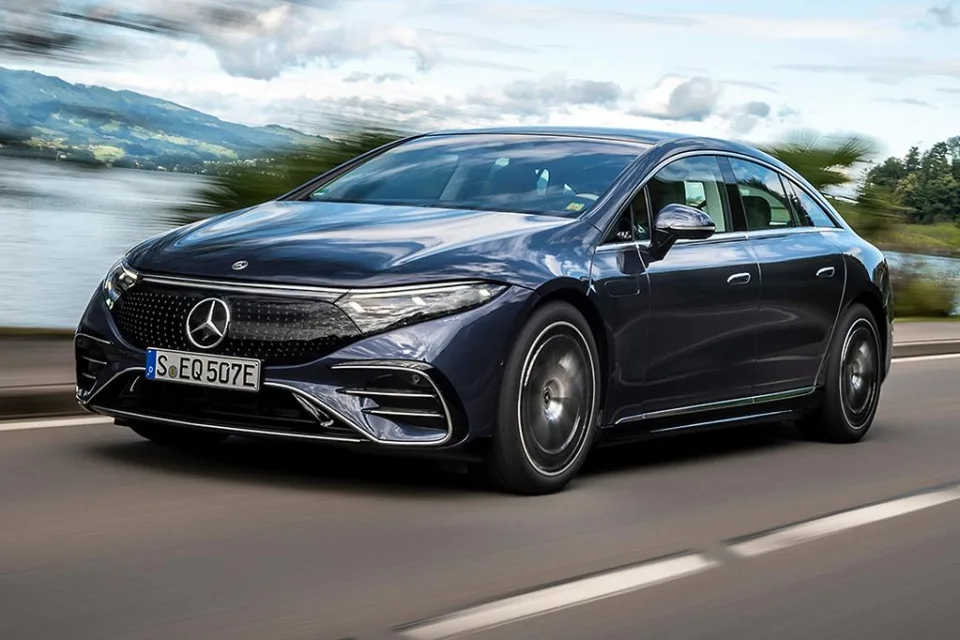
The Ultimate Guide to Choosing the Perfect Car: A Comprehensive Roadmap for Every Driver
Purchasing a car is one of the most significant financial decisions you will make. Whether you are a first-time buyer or looking to upgrade your current vehicle, the sheer volume of options—from fuel-efficient hybrids to rugged SUVs—can be overwhelming. Navigating the automotive market requires more than just picking a color; it demands a strategic approach to balancing your lifestyle needs, budget, and long-term maintenance expectations.
In this guide, we break down the essential steps to help you make an informed decision, ensuring your next car is a reliable companion for years to come.
1. Assessing Your Lifestyle and Daily Needs
Before stepping onto a dealership lot or browsing online listings, you must define what "utility" means to you. A car is not just a mode of transport; it is a tool that should fit seamlessly into your routine.
- Commuting Habits: Do you drive long distances on highways, or is your commute strictly urban stop-and-go traffic? Highway drivers might prioritize comfort and fuel efficiency, while city dwellers may benefit from compact sizes for easier parking.
- Passenger Capacity: How many people do you transport regularly? If you have a growing family, a three-row SUV or a minivan is essential. For solo commuters, a sedan or a sporty hatchback might be more economical.
- Cargo Requirements: Consider your hobbies. If you enjoy camping, cycling, or DIY home improvement projects, a vehicle with versatile cargo space or towing capacity is non-negotiable.
2. Understanding Vehicle Categories
The automotive landscape is segmented into various categories, each serving a specific purpose. Understanding these classifications will help you narrow down your search effectively.
| Category | Best For | Key Advantage |
|---|---|---|
| Sedan | Commuters, small families | Fuel efficiency and handling |
| SUV/Crossover | Families, outdoor enthusiasts | Versatility and ride height |
| Hatchback | Urban dwellers, students | Parking ease and cargo access |
| Truck | Work, towing, heavy-duty tasks | Power and payload capacity |
| Hybrid/EV | Eco-conscious, long-term savers | Lower fuel costs and emissions |
3. Setting a Realistic Budget
Many buyers fall into the trap of looking only at the "sticker price." However, total cost of ownership (TCO) is a much more accurate metric for your financial health.
The Hidden Costs of Car Ownership
When calculating your budget, remember to account for these ongoing expenses:
- Insurance Premiums: Some models cost significantly more to insure based on safety ratings and theft statistics.
- Fuel/Charging Costs: Estimate your monthly mileage and compare the average fuel consumption or electricity costs of your top choices.
- Maintenance and Repairs: Research the reliability history of the model. Luxury vehicles often have higher service costs than mainstream economy cars.
- Depreciation: Understand that cars lose value over time. Choosing a model with high resale value can save you thousands when you decide to sell or trade in later.
4. New vs. Used: Making the Right Choice
Both new and pre-owned vehicles have distinct advantages. Your choice depends on your risk tolerance and financial goals.
The Case for New Cars
New cars offer the latest safety technology, full manufacturer warranties, and the peace of mind that comes with zero wear and tear. You also get to choose your preferred configuration and color.
The Case for Used/Certified Pre-Owned (CPO)
Buying used is the best way to avoid the steep depreciation hit that occurs in the first two years of a car's life. Certified Pre-Owned vehicles are a "middle ground," offering a manufacturer-backed warranty on a car that has already taken its initial depreciation hit.
5. The Importance of the Test Drive
Never buy a car without driving it. A spec sheet can tell you about horsepower, but it cannot tell you how the car "feels." During your test drive, pay attention to the following:
- Visibility: Check for blind spots. Are the pillars too thick? Is the rear window view adequate?
- Ergonomics: Are the controls intuitive? Can you reach the infotainment screen without straining? Is the seat comfortable for long periods?
- Handling: Test the acceleration, braking, and turning radius. Does the car feel stable at highway speeds?
- Noise and Vibration: Listen for excessive road noise or engine vibrations that might become annoying during daily use.
6. Safety Features to Look For
Modern vehicles come equipped with advanced driver-assistance systems (ADAS). While these are not substitutes for attentive driving, they significantly reduce the risk of accidents.
Must-Have Safety Tech:
- Automatic Emergency Braking (AEB): Detects potential collisions and applies brakes if the driver fails to react.
- Blind Spot Monitoring: Alerts you to vehicles in your side blind spots, making lane changes much safer.
- Lane Departure Warning/Assist: Keeps you centered in your lane, preventing accidents caused by drifting.
- Adaptive Cruise Control: Maintains a set distance from the car in front of you, reducing fatigue on long trips.
7. Navigating the Negotiation Process
Once you have selected your car, the final hurdle is the transaction. Whether you are at a dealership or buying privately, preparation is your best defense.
Tips for a Successful Transaction:
- Get Pre-Approved for a Loan: Walk into the dealership with a financing offer from your bank or credit union. This gives you a baseline interest rate to negotiate against.
- Know the Market Value: Use online valuation tools to check the fair market price of the car you are interested in.
- Don't Rush: If the numbers don't add up or the salesperson is pressuring you, be prepared to walk away. There is always another car available.
- Review the Contract: Read every line of the final paperwork. Ensure there are no "hidden" fees like excessive documentation charges or unnecessary add-ons.
8. Future-Proofing Your Purchase
As the automotive industry shifts toward electrification and connectivity, consider how your purchase will hold up in the next five to ten years. If you live in an area with robust charging infrastructure, an Electric Vehicle (EV) could be a smart investment. If you live in a rural area, a hybrid might offer the best balance of efficiency and practicality.
Additionally, look for vehicles with "Over-the-Air" (OTA) update capabilities. These cars can receive software improvements and feature updates long after you have driven them off the lot, keeping your technology relevant for longer.
Conclusion
Buying a car is a journey that requires patience, research, and a clear understanding of your personal needs. By focusing on the total cost of ownership, prioritizing safety features, and conducting thorough test drives, you can move from the initial search phase to driving your dream vehicle with confidence. Remember, the best car isn't necessarily the most expensive one or the newest model on the market—it’s the one that makes your daily life easier, safer, and more enjoyable.
Take your time, do your due diligence, and enjoy the process of finding the perfect vehicle to carry you through your next chapter.