The Ultimate Guide to Choosing the Perfect Pair of Shoes: Comfort, Style, and Functionality
Finding the perfect pair of shoes is more than just a matter of fashion; it is an investment in your health, posture, and daily comfort. Whether you are an athlete hitting the pavement, a professional navigating the corporate world, or someone who simply values a casual aesthetic, the shoes you wear define your experience throughout the day. With thousands of styles, materials, and technologies available, the process of selecting footwear can often feel overwhelming. This comprehensive guide will walk you through everything you need to know to make an informed decision, ensuring your feet stay happy and stylish.
Understanding Your Foot Type and Needs
Before diving into trends or aesthetics, you must understand your own anatomy. Not all feet are created equal, and wearing the wrong type of shoe for your specific foot structure can lead to long-term issues like plantar fasciitis, bunions, or chronic back pain.
Identifying Your Arch Type
Your arch plays a significant role in how your foot absorbs shock. You can perform a simple "wet test" at home: wet the sole of your foot and step onto a piece of cardboard. The shape of the print will reveal your arch type:
- Low Arches (Flat Feet): Your footprint will show almost the entire sole. You likely overpronate (roll inward), requiring shoes with high stability and motion control.
- Neutral Arches: You will see a distinct curve along the inside of your foot. You can wear a wide variety of shoes but should look for moderate arch support.
- High Arches: You will see only the heel and the ball of the foot connected by a thin line or nothing at all. You likely underpronate (supinate) and need shoes with extra cushioning to compensate for poor natural shock absorption.
Categorizing Footwear: Which Shoe for Which Occasion?
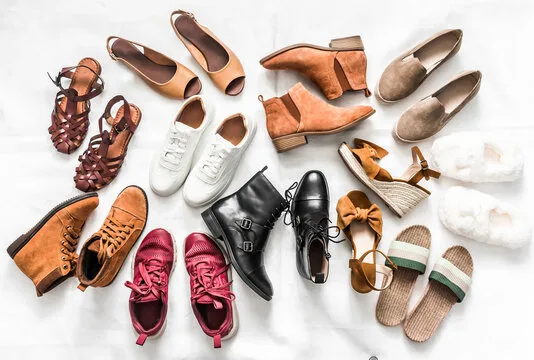
To build a versatile wardrobe, you need to understand the primary categories of footwear. While some shoes are multipurpose, most are engineered for specific environments.
| Category | Best For | Key Features |
|---|---|---|
| Athletic/Running | High-impact exercise | Breathability, cushioning, arch support |
| Formal/Dress | Business, weddings, events | Leather/suede, slim profile, minimal tread |
| Casual/Sneakers | Daily errands, social outings | Versatility, comfort, durable outsoles |
| Boots | Cold weather, rugged terrain | Water resistance, ankle support, insulation |
| Sandals/Slides | Warm weather, beach, recovery | Open-toe, lightweight, quick-dry materials |
Key Factors to Consider Before Buying
When you are ready to make a purchase, keep these four pillars in mind to ensure you get the best value for your money.
1. Material Quality and Breathability
The upper material dictates how your shoe ages and how it handles moisture. Leather is durable and molds to the foot over time, making it ideal for dress shoes. Synthetic meshes are essential for athletic footwear because they allow heat to escape, preventing blisters and odors. Avoid non-breathable plastic materials for everyday wear, as they trap sweat and can lead to fungal infections.
2. The Importance of Proper Sizing
Never rely solely on the number printed on the box. Different manufacturers use different "lasts" (the mold around which a shoe is built), meaning a size 10 in one brand might fit like a 9.5 in another. Always measure your feet in the afternoon, as feet naturally swell throughout the day. You should have about a thumb’s width of space between your longest toe and the front of the shoe.
3. Outsole Traction and Durability
Look at the bottom of the shoe. If you are buying boots for hiking, you need deep lugs for grip on uneven terrain. If you are buying indoor court shoes, you need a gum rubber outsole that provides "stickiness" on smooth surfaces. For daily urban walking, a durable rubber compound with a patterned tread is sufficient.
4. The "Flex" Test
A good shoe should bend where your foot bends—at the ball of the foot, not in the middle of the arch. Hold the shoe at both ends and try to bend it. If it folds in the center, it lacks the necessary structural support to protect your arches during prolonged walking.
Current Trends in Footwear
While comfort remains the priority, the fashion industry is currently shifting toward a blend of "tech-wear" and classic silhouettes. Here are a few trends to watch:
- Sustainable Materials: More manufacturers are using recycled plastics, organic cotton, and mushroom-based leathers to reduce their carbon footprint.
- Chunky Silhouettes: The "dad shoe" aesthetic continues to dominate, offering superior cushioning and a bold look that pairs well with casual denim.
- Hybrid Footwear: Shoes that bridge the gap between office-appropriate and weekend-ready are gaining popularity. Think leather sneakers with a clean, minimalist design.
Maintenance Tips to Extend the Life of Your Shoes
Even the most expensive pair of shoes will deteriorate quickly without proper care. Follow these maintenance tips to keep your collection in top shape:
- Rotate Your Shoes: Never wear the same pair two days in a row. Shoes need at least 24 hours to dry out from the moisture absorbed during the day.
- Use Shoe Trees: For leather dress shoes, cedar shoe trees help maintain the shape and absorb excess moisture and odor.
- Clean Regularly: Use a soft brush for suede and a damp cloth for leather. Do not throw your sneakers in the washing machine unless the manufacturer explicitly states it is safe; the heat and agitation can ruin the glue and foam.
- Store Properly: Keep your shoes in a cool, dry place away from direct sunlight, which can cause colors to fade and materials to become brittle.
When to Replace Your Footwear
Many people wait until their shoes are falling apart to replace them, but this is a mistake that can lead to injury. Athletic shoes, in particular, lose their shock-absorption capabilities long before the exterior shows signs of wear. As a general rule, replace running shoes every 300 to 500 miles. For casual shoes, look for signs of uneven wear on the heel or the ball of the foot; if the sole is worn down to the midsole, it is time to upgrade.
Conclusion: Investing in Your Foundation
Your shoes are the foundation of your mobility. By choosing footwear that aligns with your foot shape, lifestyle, and material preferences, you are doing more than just completing an outfit—you are protecting your body from the impact of daily movement. Don't be swayed solely by trends or logos. Instead, prioritize the fit, the quality of construction, and the specific function of the shoe. When you take the time to select the right pair, you will find that the right shoes don't just look good; they make every step you take feel effortless.
Remember, the best shoe is the one that you forget you are wearing because it fits so perfectly. Use this guide as a checklist during your next shopping trip, and you will be well on your way to building a footwear collection that serves you for years to come.