The Ultimate Guide to Choosing the Perfect Toys: A Parent’s Handbook for Every Developmental Stage
Choosing the right toy is more than just picking something colorful off a shelf. It is an investment in a child’s cognitive, social, and physical development. With the toy market evolving rapidly, parents and gift-givers often find themselves overwhelmed by the sheer volume of options. From sensory-rich rattles for infants to complex STEM kits for teenagers, understanding how to select age-appropriate, safe, and engaging toys is essential.
This comprehensive guide explores the best practices for selecting toys, the current trends shaping the industry, and how to match playthings to your child’s unique developmental needs.
Understanding Developmental Stages and Toy Selection
Children progress through various stages of development, and their play needs change accordingly. A toy that fascinates a toddler might be ignored by a school-aged child. To make the best choice, consider the following developmental milestones:
Infants (0–12 Months): Sensory Exploration
At this stage, play is primarily about sensory input. Infants learn by touching, tasting, and listening. Toys should be safe, easy to grasp, and capable of stimulating the senses without over-stimulating the nervous system.
- High-contrast books: Excellent for visual development.
- Soft, textured blocks: Safe for teething and tactile exploration.
- Musical rattles: Introduce cause-and-effect relationships.
Toddlers (1–3 Years): Active Discovery
Toddlers are natural explorers. They are refining their motor skills and beginning to engage in pretend play. They need toys that encourage movement and problem-solving.
- Shape sorters: Build fine motor skills and spatial awareness.
- Push-and-pull toys: Support balance and physical activity.
- Art supplies: Thick crayons and washable paints foster early creativity.
Preschoolers (3–5 Years): Imaginative Play
This is the golden age of imagination. Preschoolers love role-playing and collaborative games. They are learning to navigate social interactions and follow simple rules.
- Dress-up kits: Encourage creative storytelling.
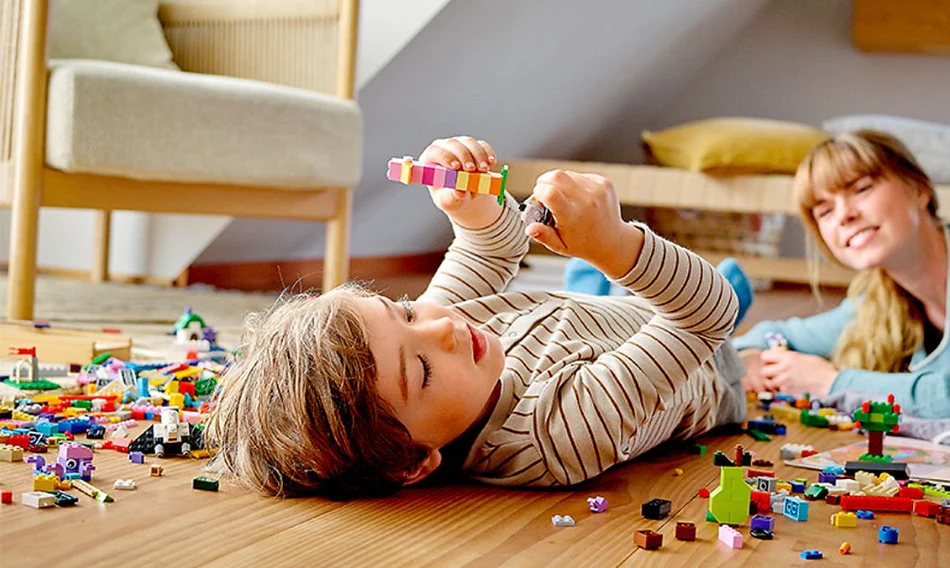
- Building sets: Introduce basic engineering and architectural concepts.
- Puzzles: Help develop patience and logic.
Comparison of Toy Categories by Skill Development
Not all toys serve the same purpose. The following table breaks down common toy categories and the specific skills they help cultivate in children.
| Category | Primary Skill Focus | Examples |
|---|---|---|
| STEM Toys | Logic, Math, Engineering | Coding robots, building sets, chemistry kits |
| Active/Outdoor | Gross Motor Skills, Health | Bicycles, balls, jump ropes, climbing frames |
| Creative/Artistic | Fine Motor Skills, Self-Expression | Modeling clay, sketchbooks, musical instruments |
| Social/Board Games | Communication, Cooperation | Card games, strategy board games |
The Rise of STEM and Open-Ended Play
One of the most significant trends in the toy industry today is the shift toward STEM (Science, Technology, Engineering, and Math) and "open-ended" play. Unlike "closed" toys—which have one specific function—open-ended toys allow children to use their imagination to determine how the toy is used.
Why Open-Ended Toys Matter
Open-ended toys, such as wooden blocks, play silks, or magnetic tiles, do not dictate a specific outcome. This forces the child to become the creator. Research suggests that these toys foster higher levels of critical thinking and creative problem-solving because they don't rely on batteries or digital screens to tell the child what to do next.
Integrating STEM into Play
STEM toys are no longer just for high schoolers. Modern manufacturers are integrating STEM concepts into toys for children as young as three. These toys introduce concepts like gravity, circuitry, and sequencing in a way that feels like play rather than a classroom lesson.
Safety First: A Checklist for Responsible Toy Buying
Safety is the most important factor when purchasing toys. Regardless of how educational or fun a toy might be, it must meet rigorous safety standards. Before finalizing your purchase, keep this checklist in mind:
- Check Age Ratings: These are not just suggestions; they are based on safety hazards, such as small parts that could pose a choking risk for children under three.
- Inspect Materials: Look for non-toxic paints and BPA-free plastics. If you prefer natural materials, consider wood or organic cotton.
- Avoid Sharp Edges: Even for older children, toys should be free of sharp points or fragile components that could break into dangerous shards.
- Check for Recalls: Always perform a quick online search to ensure the toy hasn't been flagged for safety recalls.
The Impact of Digital Toys vs. Traditional Toys
In an increasingly digital world, parents often struggle to find the right balance between tech-heavy toys and traditional playthings. While digital toys (such as tablets, interactive robots, or gaming consoles) can improve digital literacy, traditional toys offer benefits that screens cannot replicate.
The Benefits of Traditional Play
Traditional toys—board games, dolls, construction sets, and outdoor equipment—encourage physical interaction and face-to-face communication. They allow children to practice "soft skills" like empathy, negotiation, and turn-taking, which are often lost in solitary digital gaming.
Finding the Balance
The goal is not to eliminate digital toys, but to curate a balanced toy box. A great strategy is to use digital toys for specific learning goals (like learning to code) while reserving the majority of playtime for activities that require physical movement and social interaction.
Tips for Buying Toys on a Budget
High-quality toys do not always have to come with a premium price tag. In fact, many of the best toys are timeless and can be acquired without breaking the bank.
- Focus on Versatility: Buy toys that can grow with the child. A set of high-quality building blocks will be used differently at age two than at age eight.
- Consider Pre-loved Toys: Many toys are outgrown quickly. High-quality, durable toys (especially wooden ones) are often available at consignment shops or online marketplaces in excellent condition.
- Quality Over Quantity: It is better to have one durable, engaging toy that will last for years than a dozen cheap, plastic toys that will break within a week.
- DIY Options: Sometimes, the best toys are found around the house. Cardboard boxes, old sheets, and kitchen utensils can provide hours of imaginative play at zero cost.
Current Trends in the Toy Industry
The toy industry is currently influenced by several major trends that reflect broader societal shifts. Being aware of these can help you choose gifts that are both modern and meaningful.
Sustainability and Eco-Conscious Manufacturing
There is a massive movement toward sustainable toys. Manufacturers are increasingly using recycled plastics, bamboo, and sustainably sourced wood. Parents are prioritizing brands that demonstrate environmental responsibility, choosing toys that are built to last rather than "disposable" plastic items.
Inclusive Play
Modern toy collections are becoming more diverse. From dolls with varying physical abilities to books and puzzles that represent different cultures and backgrounds, inclusive toys are helping children develop a better understanding of the world around them and fostering empathy from a young age.
The Return to Retro
Nostalgia is driving a resurgence in classic toys. Board games, classic card games, and analog construction sets are seeing a comeback as parents look to share their own childhood experiences with their children. These toys are often preferred for their simplicity and the opportunity they provide for family bonding.
Conclusion: The Best Toy is the One That Inspires
Ultimately, the "best" toy is not the most expensive or the most technologically advanced one. It is the toy that captures a child’s interest, challenges their thinking, and encourages them to explore the world. By focusing on age-appropriateness, prioritizing open-ended play, and keeping safety at the forefront of your decision-making, you can curate a collection of toys that will provide years of joy and developmental growth.
Remember that toys are merely tools. The most important component of play is the child’s imagination—and the time you spend playing alongside them. Whether it is building a tower out of blocks or playing a board game on a rainy afternoon, the memories created during playtime are the most valuable gift of all.