The Ultimate Guide to Choosing the Right Fitness Equipment for Your Home Gym
Building a home gym is one of the most rewarding investments you can make for your long-term health and well-being. Whether you are a seasoned athlete or a beginner just starting your wellness journey, having the right equipment at your fingertips removes the friction of traveling to a commercial gym, ensuring consistency in your routine. However, with the vast array of fitness gear available today, selecting the right tools can be overwhelming.
This guide will walk you through the essential considerations for selecting high-quality fitness equipment, helping you build a functional, durable, and space-efficient home gym tailored to your specific fitness goals.
Assessing Your Fitness Goals and Available Space
Before you purchase a single piece of equipment, you must define your objectives. Are you looking to build muscle, improve cardiovascular endurance, increase flexibility, or a combination of all three? Your goals dictate the type of gear you need.
Space Constraints
Space is often the biggest limiting factor in home fitness. If you have a dedicated room, you have more flexibility. If you are working with a corner of a living room, you need equipment that is compact, foldable, or easily storable. Measure your floor space and ceiling height carefully before making any purchases.
Budgeting for Longevity
Fitness equipment is a long-term investment. While it is tempting to go for the cheapest option, low-quality gear often lacks durability, safety features, and ergonomics. It is better to buy a few high-quality pieces that will last for years than to fill a room with inexpensive equipment that breaks or causes discomfort.
Categorizing Your Fitness Equipment
To build a well-rounded home gym, it helps to categorize your equipment into four primary pillars: Cardiovascular, Strength Training, Mobility/Recovery, and Accessories.
| Category | Primary Benefit | Examples |
|---|---|---|
| Cardio | Heart health & calorie burn | Treadmills, rowers, stationary bikes |
| Strength | Muscle growth & metabolism | Dumbbells, kettlebells, power racks |
| Mobility | Flexibility & injury prevention | Yoga mats, foam rollers, resistance bands |
| Accessories | Support & tracking | Heart rate monitors, gym flooring |
Deep Dive: Choosing Cardiovascular Equipment
Cardio equipment serves as the engine of your home gym. When selecting machines, consider the impact on your joints and the specific type of movement you enjoy.
- Treadmills: Ideal for walking and running. Look for shock absorption features to protect your knees.
- Stationary Bikes: Excellent for low-impact cardio. Choose between upright, recumbent, or spin-style bikes based on your posture preference.
- Rowing Machines: Provide a full-body workout. Look for magnetic resistance for a quieter experience or water resistance for a more natural feel.
- Ellipticals: Offer a zero-impact workout, perfect for those with joint issues.
Strength Training: Building Your Arsenal
Strength training is essential for bone density and metabolic health. You do not need a full set of fixed dumbbells to get a great workout.
The Case for Adjustable Dumbbells
If space is limited, adjustable dumbbells are the gold standard. They replace an entire rack of weights, allowing you to increase or decrease resistance with a simple dial or pin mechanism. They are efficient, cost-effective, and perfect for progressive overload training.
Kettlebells vs. Dumbbells
Dumbbells are better for isolated movements like bicep curls or chest presses. Kettlebells, due to their offset center of gravity, are superior for explosive, functional movements like swings, snatches, and cleans. A well-rounded gym usually contains both.
Mobility and Recovery: The Overlooked Essentials
Many fitness enthusiasts focus solely on the "work" and neglect the "repair." Incorporating mobility tools is vital for longevity in your training.
- High-Density Foam Rollers: Essential for myofascial release and improving blood flow to tight muscles.
- Resistance Bands: Highly versatile for warm-ups, assisted pull-ups, and mobility drills. They are inexpensive and take up virtually no space.
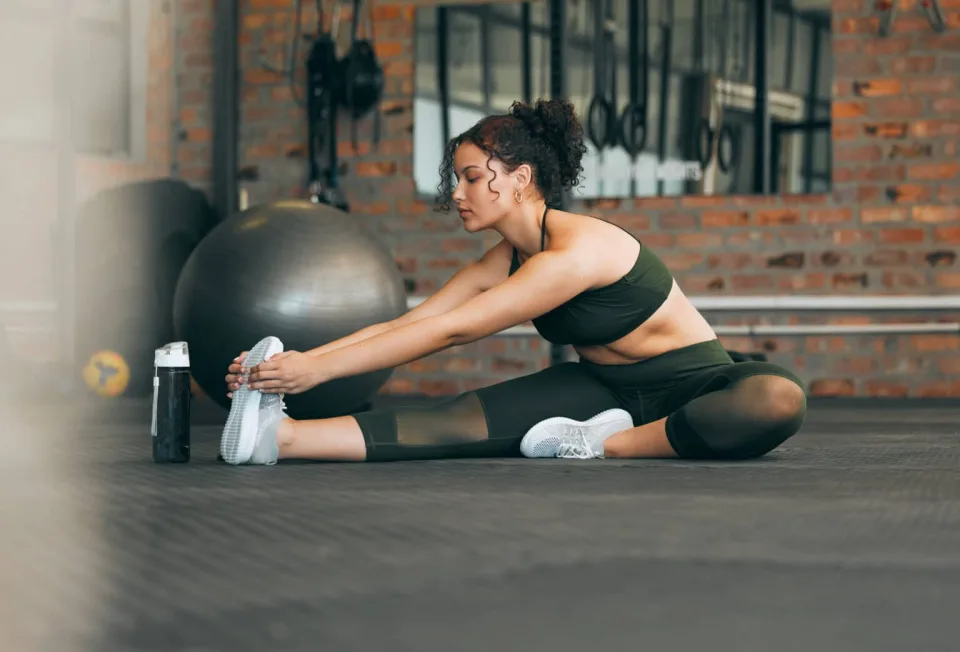
- Yoga Mats: A high-quality mat with good grip and cushioning is necessary for floor exercises, stretching, and yoga.
Safety and Ergonomics
Your equipment should work with your body, not against it. When buying fitness gear, pay close attention to the following:
Adjustability
Ensure that machines (like bikes or weight benches) have multiple adjustment points to accommodate your height and limb length. Improper alignment can lead to repetitive strain injuries.
Weight Capacity
Always check the maximum weight capacity of benches, racks, and machines. Safety should never be compromised to save a few dollars.
Stability
Equipment should feel solid. If a bench wobbles or a treadmill frame flexes under your weight, it is not safe. Look for heavy-gauge steel construction and wide bases for stability.
Technological Integration and Trends
The modern fitness landscape is heavily influenced by technology. From smart screens that provide guided workouts to sensors that track your form, tech can be a powerful motivator.
Smart Equipment
Many treadmills and bikes now come with built-in screens that connect to virtual training platforms. This can be great for motivation, but ensure the hardware itself is high-quality, not just the screen. Avoid "locked" ecosystems that require a monthly subscription just to use the machine's basic features.
Wearables
Integrating your fitness equipment with a heart rate monitor or smartwatch allows you to track your progress over time. Data-driven training helps you understand when to push harder and when to focus on recovery.
Maintenance and Care
Once you have invested in your gear, maintenance is key to protecting that investment.
- Regular Cleaning: Sweat is corrosive. Wipe down your equipment with a mild disinfectant after every session.
- Lubrication: Moving parts on treadmills and rowers require periodic lubrication to function smoothly.
- Inspection: Check bolts and fasteners monthly. Vibration from regular use can cause them to loosen over time.
Creating an Environment for Success
Your home gym should be a place where you *want* to spend time. Consider adding small touches like proper lighting, a mirror to check your form, and adequate ventilation. A fan is an often-overlooked necessity that makes high-intensity sessions much more manageable.
Finally, remember that the "best" equipment is the equipment you actually use. Start small if you need to, master your movements, and expand your collection as your fitness level grows. By prioritizing quality, safety, and functionality, you will build a home gym that serves as a cornerstone of your health for years to come.
Investing in your physical health is the most significant decision you can make. With this guide, you are now equipped with the knowledge to make informed, strategic choices that will elevate your fitness journey and help you achieve your personal best.