The Ultimate Guide to Choosing Toys: Wooden vs. Plastic Toys for Child Development
Choosing the right toys for children is more than just a trip to the store; it is an investment in their cognitive, physical, and emotional development. As parents and caregivers, you are often faced with the age-old debate: should you fill the playroom with classic wooden toys or modern plastic alternatives? Both categories offer distinct advantages and drawbacks, and understanding these differences is essential for creating an enriching play environment.
In this guide, we will break down the comparison between wooden and plastic toys, analyzing their impact on creativity, safety, environmental footprint, and long-term value. Whether you are building a nursery from scratch or looking to curate a more intentional toy collection, this comparison will help you make informed decisions.
Understanding the Philosophy of Play
Before diving into the material comparison, it is important to consider the "philosophy of play." Toys serve as the tools children use to make sense of the world. Educational experts often emphasize the importance of "open-ended" play—toys that do not have a predetermined outcome and require the child to use their imagination.
Plastic toys are often associated with high-tech features, lights, and sounds. While these can be immediately engaging, they sometimes dictate how a child should play. Conversely, wooden toys are frequently minimalist, encouraging children to create their own narratives. By understanding these core differences, you can better select toys that align with your child’s developmental stage.
Wooden Toys: The Timeless Choice
Wooden toys have been a staple of childhood for centuries. From simple building blocks to intricate puzzles, wood offers a tactile experience that plastic often fails to replicate. Here is why they remain a top choice for many parents.
The Benefits of Wooden Toys
- Durability and Longevity: High-quality wooden toys are built to last. They can withstand rough play and are often passed down through generations, making them a sustainable choice.
- Sensory Engagement: Wood has a natural weight, texture, and scent. This provides a grounding sensory experience that helps children develop fine motor skills and tactile awareness.
- Encouraging Imagination: Because wooden toys rarely come with batteries or flashing lights, they rely entirely on the child’s imagination to "bring them to life." This promotes deep, creative thinking.
- Safety: When finished with non-toxic, water-based paints, wooden toys are free from many of the chemical concerns (like phthalates or BPA) sometimes found in lower-quality plastics.
The Downsides
Wooden toys can be heavier, which may pose a risk if thrown. They are also generally more expensive upfront due to the cost of sustainable harvesting and manufacturing. Furthermore, they are not suitable for water play, as wood can warp or develop mold if not dried properly.
Plastic Toys: Modern Versatility
Plastic toys revolutionized the toy industry in the mid-20th century, allowing for mass production, intricate designs, and affordable prices. They are the backbone of modern playrooms, offering features that would be impossible to replicate with wood.
The Benefits of Plastic Toys
- Affordability: Plastic is inexpensive to manufacture, making high-quality toys accessible to a wider range of families.
- Design Flexibility: Plastic can be molded into any shape, allowing for highly detailed action figures, complex playsets, and intricate vehicles that captivate a child's interest.
- Hygiene: Plastic toys are generally non-porous and easy to sanitize. This makes them ideal for younger children who are prone to putting toys in their mouths or for use in outdoor environments.
- Interactive Features: Modern plastic toys often incorporate electronics, voice recording, and motion sensors, which can be highly effective for teaching cause-and-effect relationships.
The Downsides
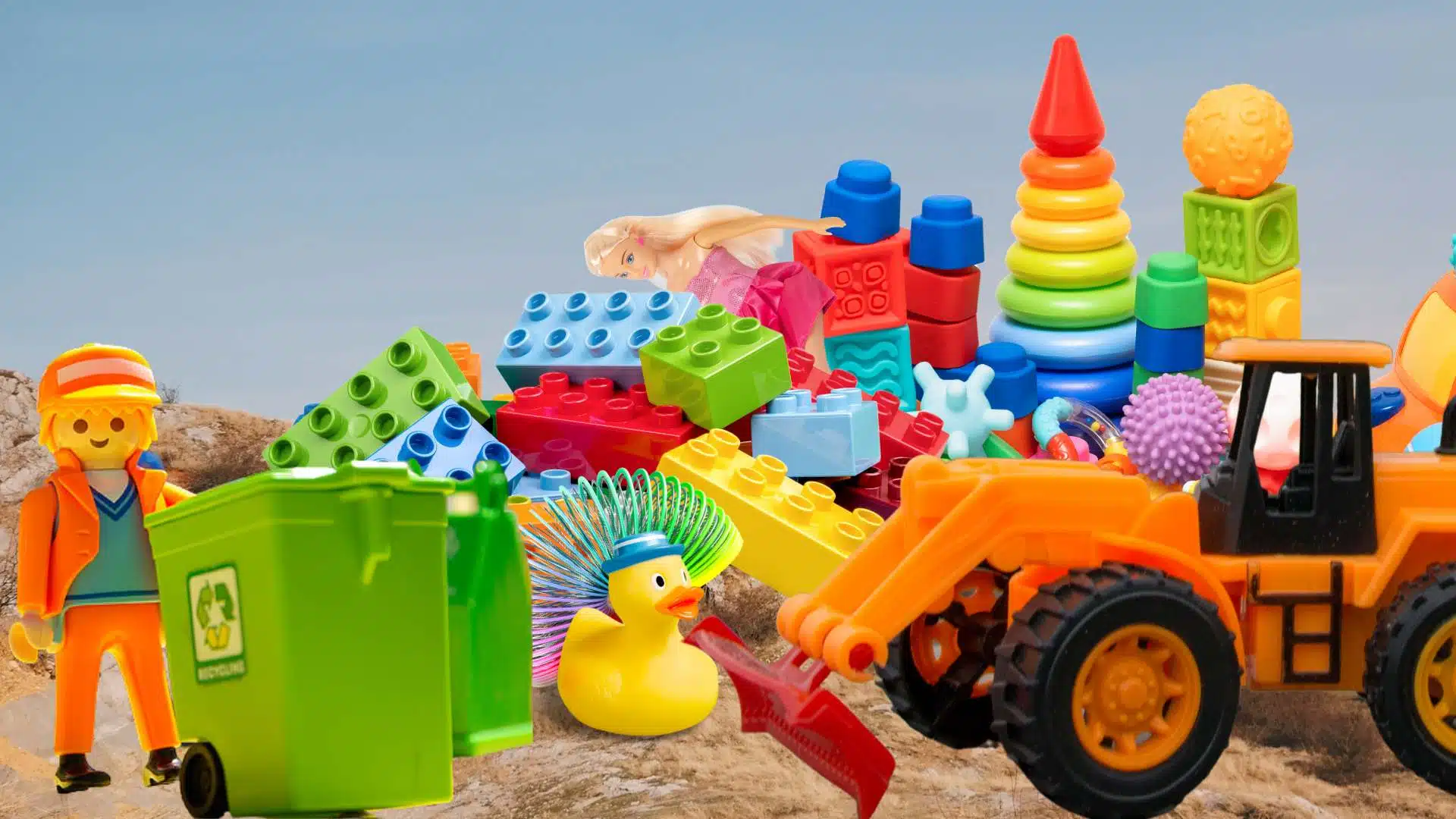
The primary concern with plastic toys is environmental impact. Many are made from non-recyclable materials, contributing to landfill waste. Additionally, low-quality plastics can be brittle, breaking into sharp, dangerous pieces over time. There is also the issue of "over-stimulation," where the sheer volume of lights and sounds can overwhelm a child’s ability to focus on one activity for an extended period.
Side-by-Side Comparison: Key Factors
To help you weigh your options, the following table summarizes the primary differences between these two categories across key performance indicators.
| Feature | Wooden Toys | Plastic Toys |
|---|---|---|
| Durability | Very High (Heirloom quality) | Moderate (Can crack/break) |
| Creativity | High (Open-ended) | Variable (Often prescriptive) |
| Sustainability | High (Renewable/Biodegradable) | Low (Often petroleum-based) |
| Cleaning | Wipe down (Avoid soaking) | Easy (Can be washed/sanitized) |
| Cost | Higher initial investment | Budget-friendly |
| Weight/Safety | Heavy (Risk of impact) | Lightweight (Generally safer) |
How to Curate a Balanced Toy Collection
You do not have to choose one over the other. In fact, the most effective playrooms often feature a hybrid approach. Here are some expert tips for curating a balanced toy collection:
1. Focus on the Developmental Goal
If you are looking for a toy to teach basic physics and architecture, wooden blocks are superior. If you are looking for a toy to teach language or specific cultural concepts, a plastic interactive toy might be more effective. Align the material with the educational outcome you hope to achieve.
2. The "Less is More" Approach
Regardless of the material, avoid clutter. A smaller selection of high-quality toys—whether wooden or plastic—encourages children to engage more deeply with each item. Rotate toys every few weeks to keep the environment fresh and exciting without needing to constantly purchase new items.
3. Consider Environmental Impact
If you choose plastic, look for brands that use recycled plastics or offer take-back programs. If you choose wood, look for FSC-certified labels, which ensure the wood was harvested from responsibly managed forests.
4. Prioritize Open-Ended Play
Regardless of whether the toy is made of oak or ABS plastic, ask yourself: "Can this toy be used in five different ways?" If the answer is yes, it is a good investment. If the toy can only be used in one specific way, it will likely be discarded or ignored shortly after purchase.
Trends in the Toy Industry
The toy industry is currently undergoing a shift. We are seeing a move toward "sustainable plastic," where manufacturers use bio-plastics made from sugarcane or recycled ocean plastics. Simultaneously, the wooden toy market is seeing a surge in "modern aesthetics," with designers creating minimalist, monochromatic wooden sets that appeal to modern home decor trends.
Another trend is the "smart-toy" integration, where wooden toys are being fitted with subtle, non-intrusive technology to bridge the gap between traditional play and modern learning requirements. Keeping an eye on these trends can help you identify high-value toys that bridge the divide between these two categories.
Final Thoughts: The Best Toy is the One Your Child Engages With
Ultimately, the "best" toy is not determined by its material, but by how well it serves your child’s needs at a specific moment in their life. A high-quality wooden train set can provide years of joy, but a well-designed plastic building set can provide the complex, mechanical challenges a budding engineer craves.
As you build your collection, prioritize toys that invite participation rather than passive consumption. By balancing the tactile, enduring nature of wooden toys with the versatile, innovative capabilities of plastic toys, you can create a dynamic play environment that fosters curiosity, intelligence, and endless hours of fun. Remember, the goal of play is not just to entertain, but to inspire—and the right toy is simply the spark that ignites that process.
Frequently Asked Questions (FAQ)
Are wooden toys always safer than plastic toys?
Not necessarily. While wooden toys avoid certain chemical concerns like BPA, they can have sharp edges if not sanded properly, and heavy wooden items can cause injury if dropped. Always check for quality finishes and age-appropriateness, regardless of the material.
How do I know if a plastic toy is safe?
Look for labels that indicate the toy is "BPA-free," "Phthalate-free," and "Lead-free." Additionally, check for age-appropriate ratings to ensure the plastic components are not small enough to be choking hazards.
Can I mix wooden and plastic toys in the same bin?
Absolutely. Mixing textures and materials provides a richer sensory experience for the child. Many children enjoy incorporating plastic figurines into their wooden block structures, which helps bridge the gap between different styles of play.
What is the best way to clean wooden toys?
Use a damp cloth with a mild soap solution. Avoid submerging wooden toys in water, as this can cause the wood to swell, crack, or grow mold. For a deeper clean, you can use a diluted vinegar solution, but always wipe them dry immediately.