The Ultimate Guide to Investing in Fine Jewelry and Luxury Watches: A Collector’s Handbook
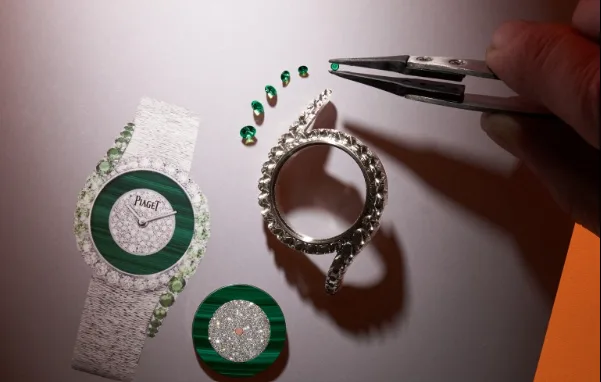
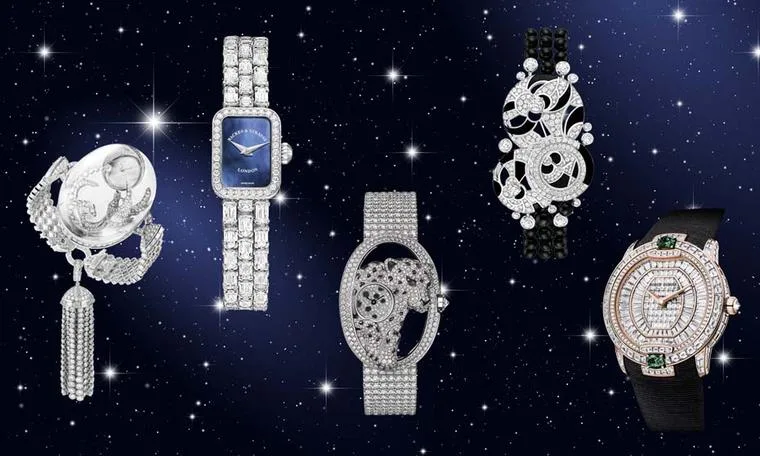
Entering the world of fine jewelry and luxury watches is more than just a pursuit of aesthetic beauty; it is an investment in craftsmanship, heritage, and personal legacy. Whether you are looking to mark a milestone, diversify your assets, or simply curate a collection that reflects your personal style, the landscape of high-end accessories can be daunting. From understanding the nuances of diamond grading to mastering the mechanics of a luxury timepiece, this guide provides the foundational knowledge every collector needs.
Understanding the Pillars of Fine Jewelry
Fine jewelry is defined by the use of precious metals and gemstones. Unlike costume jewelry, which is mass-produced using base metals, fine jewelry is crafted to last for generations. When shopping for these pieces, you must focus on the "Four Cs" of diamonds and the quality of the setting.
The Four Cs of Diamond Grading
If you are purchasing diamond-set jewelry, the quality is determined by four universal standards established by the GIA (Gemological Institute of America):
- Cut: Arguably the most important factor, as it determines how the stone interacts with light. A well-cut diamond sparkles with brilliance and fire.
- Color: Graded on a scale from D (colorless) to Z (light yellow). The less color a diamond has, the higher its value.
- Clarity: Measures the presence of internal inclusions or external blemishes. Flawless diamonds are exceptionally rare and priced accordingly.
- Carat Weight: Refers to the physical weight of the diamond. Remember that two diamonds of the same carat weight can have vastly different prices based on their cut and clarity.
The World of Luxury Watches: Mechanical Mastery
A luxury watch is a marvel of micro-engineering. Unlike quartz watches, which rely on a battery, mechanical watches are powered by a complex series of springs and gears. For the discerning collector, the movement is the heart of the timepiece.
Types of Watch Movements
| Movement Type | Description | Best For |
|---|---|---|
| Manual Wind | Requires the wearer to turn the crown daily to wind the mainspring. | Purists and vintage enthusiasts. |
| Automatic (Self-Winding) | Uses a rotor that moves with the wearer's wrist to wind the watch. | Daily wearers seeking convenience. |
| Quartz | Battery-powered, highly accurate, and requires little maintenance. | Functionality and precision. |
Key Considerations Before You Buy
Purchasing high-end jewelry and watches requires due diligence. Before parting with your capital, consider these critical factors to ensure your investment holds its value and brings you joy for years to come.
1. Authenticity and Certification
Never purchase a high-value item without proper documentation. For diamonds, always insist on a grading report from a reputable laboratory like the GIA or AGS. For luxury watches, the "box and papers" (the original packaging and warranty card) are essential for maintaining resale value. If buying pre-owned, ensure the seller provides an authentication certificate.
2. The Importance of Precious Metals
The metal used in your jewelry dictates its durability and maintenance needs. 18k gold is the industry standard for fine jewelry, offering a balance between purity and strength. Platinum, while denser and more expensive, is highly durable and hypoallergenic, making it a popular choice for engagement rings and heirloom pieces.
3. Defining Your Purpose
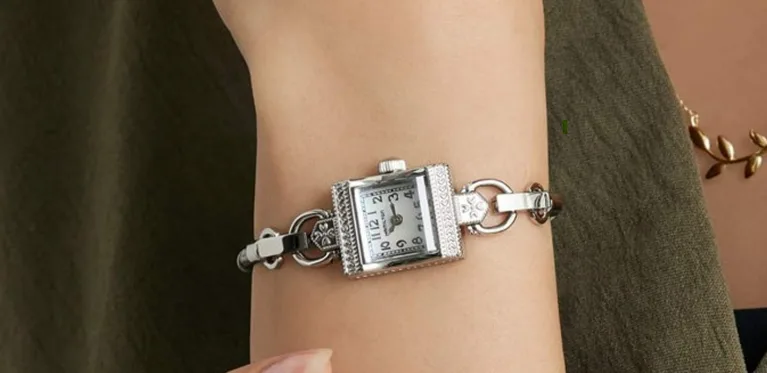
Are you buying for daily wear or for special occasions? A delicate tennis bracelet might be perfect for evening wear but may not withstand the rigors of daily use. Similarly, a high-complication watch may be stunning, but it will require more frequent and expensive servicing than a simple three-hand watch.
Current Trends in Jewelry and Watches
While classic designs remain the safest investment, the market is constantly evolving. Staying informed about current trends can help you make a purchase that feels both modern and timeless.
Sustainable Luxury
Consumers are increasingly demanding transparency in the supply chain. Look for retailers that source conflict-free diamonds and recycled gold. Lab-grown diamonds are also gaining traction, offering a chemically identical alternative to mined stones at a more accessible price point.
The Rise of "Quiet Luxury"
In both jewelry and watches, there is a shift away from overt branding toward understated elegance. Collectors are favoring minimalist designs, brushed metal finishes, and clean lines that prioritize quality materials over loud logos.
How to Maintain and Protect Your Collection
Your jewelry and watches are susceptible to environmental damage, wear, and tear. Proper maintenance is the secret to ensuring they retain their luster and functionality.
Jewelry Care Tips
- Storage: Keep pieces in individual soft pouches to prevent them from scratching each other.
- Cleaning: Use a soft, lint-free cloth for gold and platinum. Avoid ultrasonic cleaners for porous gemstones like emeralds or opals.
- Professional Inspection: Have your jewelry checked by a jeweler annually to ensure stones are secure in their settings.
Watch Maintenance
Mechanical watches should be serviced every 3 to 5 years by a certified watchmaker. This involves disassembling the movement, cleaning the components, and replacing lubricants. Always ensure your watch is water-resistance tested if you plan to wear it near water, as seals can degrade over time.
Building a Balanced Collection
A well-rounded collection is one that serves different purposes. If you are just starting, focus on "staple" pieces before branching out into statement items.
- The Foundation: Start with versatile pieces like a simple pair of diamond studs, a classic gold chain, or a stainless steel watch with a neutral dial.
- The Statement: Once your foundation is set, look for one or two "hero" pieces—perhaps a colorful gemstone ring or a watch with a unique complication—that reflect your personal style.
- The Heirloom: Finally, invest in pieces that hold emotional significance. Jewelry and watches are unique in their ability to be passed down through generations, carrying stories and memories with them.
Conclusion: The Long-Term Perspective
Buying fine jewelry and luxury watches is a journey of discovery. By prioritizing quality over quantity, understanding the technical specifications of your pieces, and maintaining them with care, you can build a collection that serves as both a source of aesthetic pleasure and a reliable store of value. Remember, the best purchase is one that resonates with you personally—while market trends fluctuate, the joy of wearing a beautiful, well-crafted piece is timeless.
As you navigate this market, always take your time. Research the provenance, verify the certifications, and ensure that every addition to your collection aligns with your long-term goals. Whether you are a seasoned collector or a first-time buyer, the world of fine jewelry and watches offers endless possibilities for expression and investment.