The Ultimate Guide to the Best Art & Crafts Supplies for Every Skill Level
Whether you are a seasoned professional artist or a hobbyist looking to explore your creative side, the world of arts and crafts offers an endless array of possibilities. From the meditative stroke of a watercolor brush to the intricate precision of paper crafting, having the right tools is the foundation of every masterpiece. However, with thousands of products flooding the market, choosing the best art and crafts supplies can be overwhelming.
In this comprehensive guide, we will break down the essential supplies you need to elevate your creative projects. We focus on quality, versatility, and value, ensuring that whether you are sketching, painting, or crafting, you are equipped with the best materials available.
Understanding Your Artistic Needs: A Categorization
Before diving into specific products, it is essential to categorize your needs. Art and crafts encompass a vast range of disciplines, each requiring specialized tools. We have categorized the most popular creative niches to help you navigate the best options available today.
| Category | Primary Focus | Key Essential Tools |
|---|---|---|
| Fine Arts | Drawing, Painting, Sketching | Professional-grade paints, archival paper, brushes |
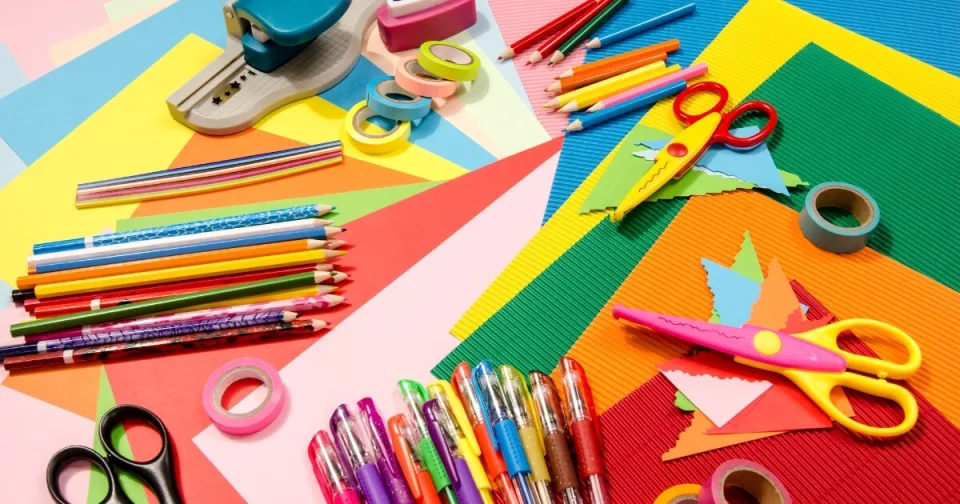
| Paper Crafts | Scrapbooking, Card Making, Origami | Precision cutters, adhesives, specialty cardstock |
| Textile Arts | Embroidery, Knitting, Fabric Dyeing | Quality needles, natural fibers, fabric markers |
| Mixed Media | Collage, Altered Art, Texture work | Gesso, modeling paste, versatile adhesives |
Best Painting Supplies for Vibrant Results
Painting is perhaps the most iconic form of creative expression. Whether you prefer the fluid nature of watercolors, the bold opacity of acrylics, or the slow-drying richness of oils, your choice of medium dictates the final look of your work.
Watercolor Essentials
For watercolor artists, the paper is just as important as the pigment. Look for cold-press watercolor paper with a weight of at least 300 GSM (grams per square meter). This thickness prevents the paper from buckling when saturated with water. Pair this with professional-grade watercolor pans or tubes that offer high lightfastness ratings, ensuring your art doesn't fade over time.
Acrylics and Mediums
Acrylic paint is favored for its versatility. The best acrylics are highly pigmented and offer a buttery consistency. If you are looking to experiment, consider investing in a variety of mediums—such as gel medium for texture or glazing liquid for transparency—to extend the life and utility of your paints.
The Best Drawing and Sketching Tools
Sketching is the backbone of all art. From basic graphite pencils to professional-grade markers, having a reliable set of tools is non-negotiable for capturing ideas on paper.
- Graphite Sets: A balanced set ranging from 4H (hard/light) to 8B (soft/dark) allows for a full spectrum of shading and detail.
- Archival Ink Pens: For artists who do line work or illustration, waterproof, archival-quality ink pens are essential to ensure your work remains crisp and smudge-free.
- Blending Stumps: These simple tools are often overlooked but are vital for creating smooth transitions in charcoal or graphite drawings.
Paper Crafts: Precision and Creativity
Paper crafting has seen a massive resurgence, thanks to the popularity of scrapbooking, junk journaling, and handmade card making. The key to successful paper crafts lies in precision and the longevity of your materials.
Cutting Tools
Investing in a high-quality rotary cutter or a guillotine paper trimmer will save you hours of frustration. For intricate designs, a craft knife with replaceable blades is a staple. Always ensure you have a self-healing cutting mat to protect your workspace and keep your blades sharp for longer.
Adhesives and Embellishments
Not all glues are created equal. For paper crafts, acid-free glue sticks or double-sided adhesive tapes are preferred to prevent yellowing or deterioration of your photos and papers over time. When it comes to embellishments, choose items that offer texture—think washi tape, metallic leafing, or embossed stickers—to add depth to your projects.
Trends in Modern Arts and Crafts
The art world is constantly evolving. Staying informed about current trends can provide inspiration for your next project. Currently, the industry is seeing a shift toward sustainable and eco-friendly materials.
Eco-Conscious Art: Many artists are moving toward non-toxic, plant-based pigments and recycled papers. Choosing supplies that are environmentally friendly not only benefits the planet but often leads to unique textures and finishes that synthetic products cannot replicate.
Digital-Physical Hybrids: Many creators are now combining traditional media with digital design. For instance, creating a physical painting and then scanning it for digital enhancement is a growing trend that bridges the gap between classic craftsmanship and modern technology.
How to Choose the Best Art Supplies on a Budget
You do not need to break the bank to produce high-quality work. The "best" supplies are often those that you use consistently. Here are some tips for building a professional-grade kit without overspending:
- Prioritize Quality Where It Matters: If you are a painter, spend your budget on good brushes and high-quality paint, but save money by using less expensive practice paper.
- Buy Open Stock: Instead of buying large, expensive sets, purchase individual tubes or pencils of the colors you use most frequently.
- Focus on Versatility: Choose tools that can be used for multiple purposes. A set of high-quality watercolor pencils, for example, can be used for drawing, painting, and mixed-media layering.
- Test Before You Commit: Many art supply retailers offer sample packs. Use these to test the texture of paper or the consistency of a specific paint brand before buying in bulk.
Maintaining Your Art and Craft Supplies
Even the most expensive tools will underperform if they are not well-maintained. Proper storage and cleaning are the secrets to longevity in the arts and crafts niche.
Brush Care
Never leave your brushes sitting in water, as this will damage the bristles and the ferrule. After each session, clean your brushes with mild soap and water, reshape the bristles, and store them flat or hanging with the bristles facing down.
Storage Solutions
Keep your supplies in a cool, dry place. Direct sunlight can cause pigments to fade and adhesives to dry out. Use clear, airtight containers to keep your materials organized and protected from dust and moisture. For pencils and pens, store them horizontally to prevent the internal cores from breaking or the ink from pooling.
The Future of Arts and Crafts
As we look ahead, the integration of technology in traditional crafts continues to grow. From 3D printing components for jewelry making to laser-cutting intricate patterns for paper crafts, the boundaries of what is possible are constantly expanding. However, the heart of arts and crafts remains the same: the human touch.
Whether you are knitting a scarf, painting a landscape, or creating a custom scrapbook, the value of the final product lies in the time, skill, and passion you pour into it. By selecting the best tools for your specific discipline, you are setting yourself up for success and ensuring that your creative journey is as enjoyable as the final result.
Conclusion: Start Your Creative Journey Today
The best art and crafts supplies are the ones that inspire you to pick them up and start creating. Whether you are a beginner looking for your first set of watercolors or an experienced crafter seeking the perfect adhesive for your next project, the key is to experiment, learn, and refine your preferences over time.
Remember that art is a personal journey. There is no single "right" way to create, and the best tools are the ones that feel natural in your hands. Explore different brands, try new techniques, and most importantly, enjoy the process of bringing your imagination to life. With the right foundation and a bit of curiosity, there is no limit to what you can achieve in the world of arts and crafts.