The Ultimate Guide to the Best Fitness Equipment for a Complete Home Gym
Building a home gym is one of the most rewarding investments you can make for your health and longevity. With the fitness industry evolving rapidly, the era of relying solely on expensive gym memberships is behind us. Whether you are a beginner looking to lose weight or a seasoned athlete aiming for hypertrophy, having the right tools at your fingertips is essential for consistency.
In this guide, we explore the best fitness categories and essential equipment that provide the highest return on investment for your home workout space. We focus on versatility, durability, and functionality to help you build a setup that caters to your unique goals.
Why Home Fitness is the Future of Training
The shift toward home-based fitness has been fueled by convenience and the ability to customize your environment. When you control your workout space, you eliminate commute times, waiting for machines, and the social pressure often found in commercial gyms. Research consistently shows that individuals with home gym setups are more likely to adhere to their fitness routines long-term.
However, the sheer volume of fitness products on the market can be overwhelming. From high-tech cardio machines to simple resistance bands, knowing what to prioritize is key to building an effective, space-efficient, and budget-friendly gym.
Essential Categories for Your Home Gym
To create a comprehensive fitness environment, you should focus on four primary pillars: Strength Training, Cardiovascular Health, Mobility/Recovery, and Data Tracking. By balancing these categories, you ensure a well-rounded approach to physical wellness.
1. Strength Training Equipment
Strength training is the cornerstone of metabolic health. Building muscle increases your resting metabolic rate, improves bone density, and enhances functional movement. You don’t need a room full of heavy machinery to get strong; a few well-chosen items can provide a full-body workout.
- Adjustable Dumbbells: These are the gold standard for home gyms. They save significant floor space while providing a range of weights that can accommodate everything from light lateral raises to heavy goblet squats.
- Resistance Bands: Highly portable and incredibly versatile. Bands provide constant tension, which is excellent for muscle growth and injury prevention.
- Kettlebells: Perfect for explosive movements like swings, snatches, and cleans. They combine cardio and strength training into one efficient session.
- Pull-up Bars: A simple, inexpensive way to build back and bicep strength using body weight.
2. Cardiovascular Machines
Cardio is vital for heart health and endurance. When choosing cardio equipment, consider the impact on your joints and the available footprint in your home.
| Equipment | Best For | Space Requirement |
|---|---|---|
| Rowing Machine | Full-body conditioning | Moderate |
| Stationary Bike | Low-impact cardio | Low |
| Treadmill | Running and walking | High |
| Jump Rope | HIIT and coordination | Very Low |
Top Fitness Trends for 2024 and Beyond
The fitness world is currently moving toward "smart" integration and recovery-focused training. Here are the trends that are shaping how people train today:
The Rise of Recovery Technology
Fitness is no longer just about the workout; it is about how you recover. Percussive massage guns, foam rollers, and compression boots have become essential parts of the athlete’s toolkit. These products help reduce delayed onset muscle soreness (DOMS) and improve blood flow, allowing you to return to your next workout faster and with less pain.
Functional Fitness
Functional training focuses on movements that mimic real-life activities—squatting, lifting, pushing, and pulling. Instead of isolating muscles on machines, functional fitness emphasizes core stability and balance. Tools like suspension trainers and stability balls are perfect for this style of training.
Data-Driven Performance
Wearable technology has changed the game. Tracking your heart rate variability (HRV), sleep quality, and caloric burn provides actionable insights. By integrating your equipment with digital apps, you can monitor your progress over time and adjust your intensity based on your body’s actual recovery state.
How to Choose the Right Equipment for Your Space
Before purchasing any fitness product, it is important to assess your current environment. Here is a step-by-step checklist to guide your decision-making process:
- Measure Your Space: Always account for the "dynamic" footprint—the space the equipment occupies plus the space you need to move around it safely.
- Define Your Primary Goal: Are you looking for weight loss, muscle gain, or general mobility? Don't buy a treadmill if your primary goal is building massive muscle.
- Budget for Longevity: It is often better to buy one high-quality piece of equipment that will last a decade than three cheap items that will break in a year.
- Versatility is King: If you are short on space, choose items that serve multiple purposes, such as a sturdy weight bench that can also be used for step-ups and box jumps.
The Importance of Mobility and Flexibility
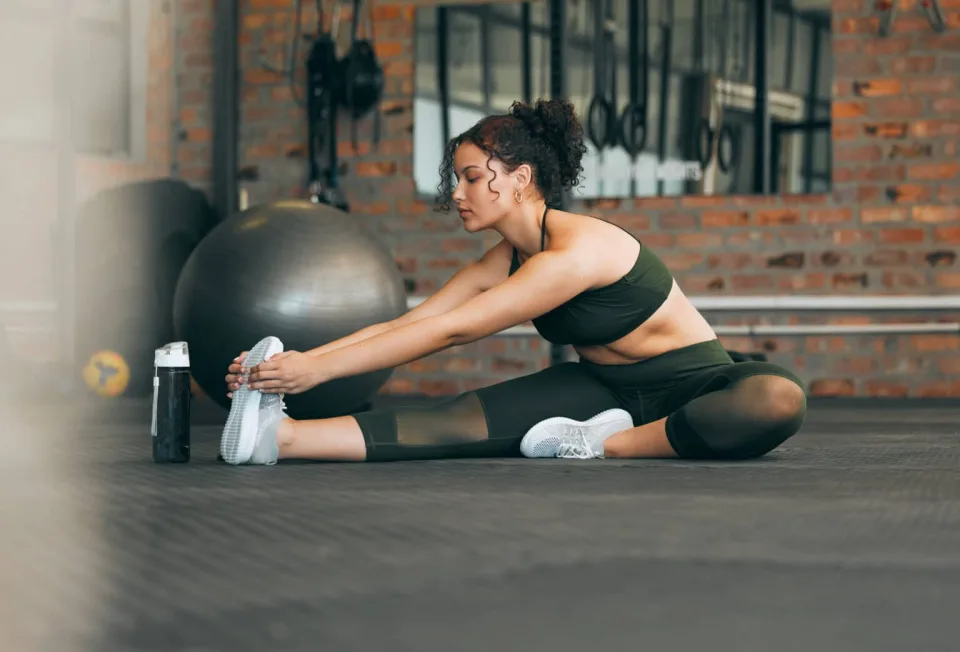
Many beginners make the mistake of focusing solely on strength and cardio, neglecting flexibility. Over time, this leads to stiff joints and increased injury risk. Integrating mobility work into your routine is essential for long-term fitness success.
Essential Mobility Tools
Invest in a high-density foam roller for myofascial release. Use yoga blocks to assist with deeper stretches and ensure proper alignment during yoga or Pilates sessions. A simple yoga mat is the foundation of any mobility routine—look for one with extra cushioning if you have sensitive knees.
Optimizing Your Fitness Environment
Your environment dictates your behavior. If your gym is cluttered, dark, or uncomfortable, you are less likely to use it. Consider these tips to optimize your workout space:
- Lighting: Bright, natural light or high-quality LED lighting can boost energy levels.
- Ventilation: Ensure your gym space has good airflow or a dedicated fan to keep your body temperature regulated.
- Organization: Use wall mounts or racks to keep your weights and bands off the floor. A tidy space reduces mental friction before a workout.
- Motivation: Add a mirror to check your form, or a whiteboard to track your personal records (PRs).
Common Mistakes to Avoid When Building a Home Gym
Avoiding common pitfalls will save you both money and frustration. One of the biggest mistakes is "over-buying" at the start. Many people purchase a full set of heavy machines only to find they prefer bodyweight training. Start small, identify what you actually use, and expand your equipment collection incrementally as your fitness level progresses.
Another mistake is ignoring safety. Always ensure that your floor can handle the weight of your equipment, especially if you are working with heavy barbells. Using high-quality rubber floor mats is a simple, cost-effective way to protect both your flooring and your equipment.
Conclusion: Your Journey Starts with a Single Step
Building the best fitness setup for your home is not about having the most expensive gear; it is about having the right gear that supports your specific goals. By focusing on quality strength tools, effective cardio options, and prioritizing recovery, you create a sanctuary for your physical and mental well-being.
Remember that the "best" equipment is the one that you actually use consistently. Start with the basics, listen to your body, and adjust your routine as you grow stronger. Fitness is a lifelong journey, and by investing in a home gym, you are taking a definitive step toward a healthier, more capable version of yourself.
Whether you are just starting your fitness journey or looking to upgrade your current setup, focus on functionality, durability, and enjoyment. When you enjoy your workout environment, you turn exercise from a chore into a lifestyle.