The Ultimate Guide to the Best Fitness Equipment for a Complete Home Gym in 2024
Building a home gym is one of the most rewarding investments you can make for your long-term health and well-being. With the evolution of fitness technology and the increasing accessibility of high-quality equipment, you no longer need a commercial gym membership to achieve elite-level results. Whether you are a beginner looking to build a foundation or an experienced athlete aiming to optimize your performance, selecting the right gear is essential for consistency and progress.
In this guide, we explore the best fitness categories and essential products that offer the highest value, durability, and versatility. We will break down what you need to consider when outfitting your space, regardless of your square footage or fitness goals.
Understanding Your Fitness Goals: Defining Your Space
Before purchasing any equipment, it is crucial to identify your specific fitness objectives. Are you looking to lose weight, build muscle mass, increase cardiovascular endurance, or improve mobility? Your goals dictate the equipment that will provide the best return on investment.
For those with limited space, compact and multi-functional gear is the gold standard. For individuals with a dedicated room or garage, larger equipment like power racks and treadmills becomes a viable option. Regardless of your setup, the best fitness equipment shares three common traits: safety, durability, and ergonomic design.
Top-Rated Fitness Categories for Every Home Gym
To build a comprehensive home gym, you should focus on four primary pillars of fitness: Strength Training, Cardiovascular Health, Recovery, and Mobility. Below is a breakdown of the best-in-class equipment for each category.
1. Strength Training Essentials
Strength training is the cornerstone of metabolic health. Even with minimal space, you can achieve a full-body workout using these staples:
- Adjustable Dumbbells: These are the ultimate space-savers. Instead of owning 10 pairs of dumbbells, an adjustable set allows you to change weights in seconds, making them perfect for progressive overload.
- Resistance Bands: Highly portable and incredibly versatile. They are excellent for both strength training and physical therapy, providing constant tension throughout the entire range of motion.
- Kettlebells: Ideal for explosive movements and functional strength. A single kettlebell can provide a high-intensity workout that builds both cardiovascular capacity and muscular endurance.
- Pull-up Bars: A simple yet effective tool for upper body development. Look for doorway-mounted versions that do not require permanent installation.
2. Cardiovascular Conditioning
Cardio is vital for heart health and calorie expenditure. While running outside is free, home equipment provides consistency regardless of weather conditions.
- Rowing Machines: Often considered the best "bang for your buck" in cardio, rowing engages over 80% of your muscles, providing a full-body workout that is low-impact on the joints.
- Jump Ropes: The most underrated piece of fitness equipment. A high-quality speed rope can burn more calories per minute than almost any other form of exercise.
- Stationary Bikes: Excellent for steady-state cardio or high-intensity interval training (HIIT). They are generally quieter and more compact than treadmills.
Comparison of Popular Home Fitness Equipment
To help you decide which equipment fits your lifestyle, refer to the comparison table below:
| Equipment Type | Primary Benefit | Space Requirement | Best For |
|---|---|---|---|
| Adjustable Dumbbells | Strength/Hypertrophy | Minimal | Muscle building at home |
| Rowing Machine | Full-body Cardio | Moderate | Endurance & Heart Health |
| Resistance Bands | Mobility/Strength | None | Travelers & Small Apartments |
| Kettlebells | Functional Strength | Minimal | HIIT & Explosive Power |
Emerging Trends in Fitness Technology
The fitness industry is currently undergoing a digital transformation. The "connected fitness" trend allows users to track metrics, follow guided classes, and compete with others from the comfort of their homes.
Smart Tracking and Wearables
Integrating wearable technology—such as heart rate monitors and smartwatches—with your equipment can drastically improve your training efficacy. By monitoring your "time in zone" and recovery metrics, you can ensure that you are not overtraining while pushing your limits safely.
App-Integrated Equipment
Many modern rowing machines, bikes, and treadmills now come with Bluetooth connectivity. This allows your equipment to sync with fitness apps that provide real-time feedback on cadence, power output, and pace. This gamification of fitness is proven to increase long-term adherence to exercise routines.
The Importance of Recovery and Mobility
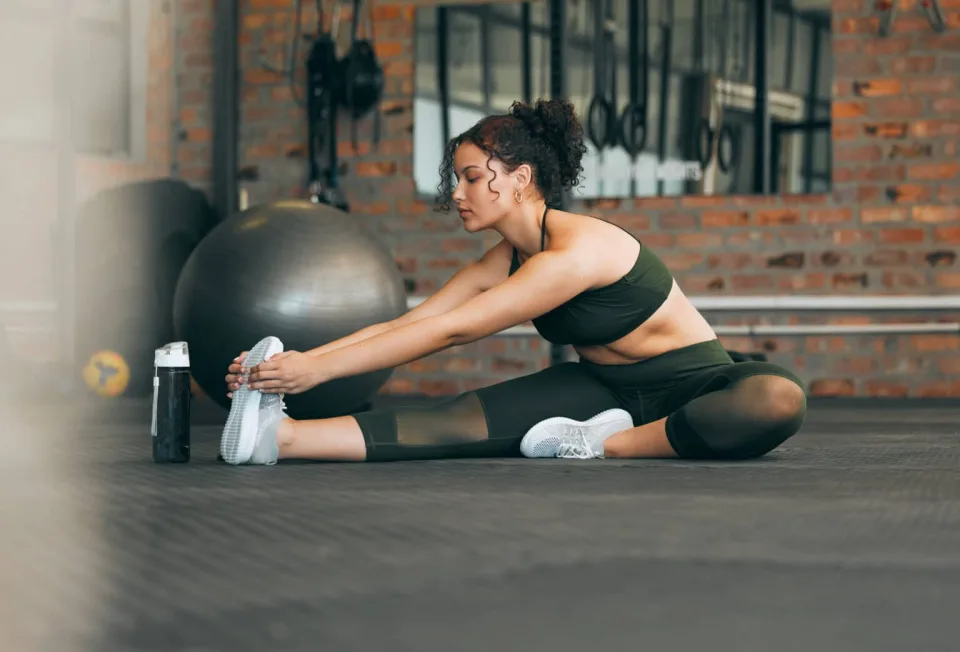
Fitness is not just about the intensity of your workout; it is about how well you recover. Neglecting recovery often leads to burnout and injury. Incorporating mobility tools into your home gym is a non-negotiable step for any serious athlete.
- Foam Rollers: Essential for myofascial release, helping to alleviate muscle soreness and improve flexibility after intense sessions.
- Massage Guns: A modern solution for deep tissue recovery. They help increase blood flow to localized areas, speeding up the repair process.
- Yoga Mats: A high-density, non-slip mat is necessary for yoga, stretching, and bodyweight floor exercises.
Buying Guide: How to Choose the Right Gear
When shopping for fitness products, it is easy to get overwhelmed by marketing hype. Use these criteria to filter your choices:
- Durability: Check the weight capacity and materials. Steel construction is generally superior to plastic for strength equipment.
- Versatility: Can this piece of equipment be used for more than one exercise? If it has only one function, ensure it is something you will use consistently.
- Warranty: A reputable manufacturer will always stand behind their product with a solid warranty. If a product has a short or non-existent warranty, be wary of its longevity.
- Footprint: Measure your workout space before you buy. Remember to account for the "dynamic space" required to move around the equipment during exercises.
Creating a Sustainable Fitness Routine
Having the best equipment in the world won't matter if you don't use it. The key to fitness success is building a sustainable habit. Here are three tips to ensure your home gym actually gets used:
1. Start Small
You do not need to buy an entire gym at once. Start with a set of dumbbells and a mat. Once you have established a consistent routine, add one piece of equipment at a time based on what your workouts are currently lacking.
2. Optimize Your Environment
Make your gym space inviting. Good lighting, a mirror to check your form, and a dedicated sound system or speaker can make a massive difference in your motivation levels. If your gym feels like a closet, you will be less likely to spend time there.
3. Track Your Progress
Whether it is a simple notebook or a sophisticated app, keep a record of your weights, reps, and workout duration. Seeing your numbers increase over time is one of the most powerful motivators in the fitness world.
Final Thoughts: Investing in Your Future
The "best" fitness equipment is ultimately the equipment that you enjoy using and that fits seamlessly into your lifestyle. By focusing on functional, durable, and versatile gear, you can create a space that supports your physical health for years to come. Remember that fitness is a marathon, not a sprint; prioritize consistency, listen to your body, and don't be afraid to adjust your equipment needs as your strength and endurance improve.
Investing in your home gym is an investment in your longevity. Whether you are lifting heavy or focusing on mobility, the right tools will empower you to reach your peak potential and maintain a healthy, active lifestyle well into the future.