The Ultimate Guide to the Best Fitness Equipment for a Home Gym in 2024
Creating a home gym is one of the most rewarding investments you can make for your health and longevity. With the fitness industry evolving rapidly, you no longer need a massive space or a commercial gym membership to achieve elite-level results. Whether you are a beginner looking to build a sustainable routine or an athlete aiming to maintain peak performance, selecting the right gear is the foundation of your success.
In this guide, we explore the best fitness categories and essential products that offer the highest return on investment for your home training setup. From space-saving solutions to high-tech recovery tools, we cover everything you need to build a functional, effective, and motivating workout space.
Essential Categories for a Versatile Home Gym
Before diving into specific products, it is important to understand the four pillars of home fitness: Strength, Cardio, Mobility, and Recovery. A well-rounded home gym addresses all these areas to ensure you are not just getting stronger, but also staying injury-free.
1. Strength Training Foundations
Strength training is the cornerstone of metabolic health. You do not need a room full of heavy machinery to build muscle. Versatile, space-efficient equipment is the gold standard for home users.
- Adjustable Dumbbells: The ultimate space-saver. They replace an entire rack of weights, allowing you to increase intensity as you progress.
- Resistance Bands: Perfect for warm-ups, physical therapy, and adding variable resistance to compound movements.
- Kettlebells: Ideal for explosive movements, functional strength, and high-intensity interval training (HIIT).
- Suspension Trainers: Use your body weight to perform hundreds of exercises, making them excellent for core stability and total-body conditioning.
2. Cardio Solutions for Every Space
Cardiovascular health is vital for heart longevity and stamina. If you are limited on space, look for machines that provide a high calorie-burn-to-footprint ratio.
| Equipment Type | Best For | Space Requirement |
|---|---|---|
| Air Bike | HIIT and Full-body conditioning | Medium |
| Rowing Machine | Low-impact, full-body endurance | Large (Look for foldable models) |
| Jump Rope | Portability and coordination | Minimal |
| Compact Under-Desk Treadmill | Daily movement and walking | Small |
Top Fitness Trends Shaping Home Workouts
The fitness landscape is shifting toward personalization and efficiency. Here are the trends currently dominating the industry that can help you optimize your training.
The Rise of Connected Fitness
Digital integration is no longer just a luxury; it is a tool for accountability. Many modern pieces of equipment now offer integrated screens or Bluetooth connectivity to track your metrics in real-time. This data-driven approach allows you to measure progress accurately, which is the key to long-term adherence.
Functional Fitness Over Aesthetics
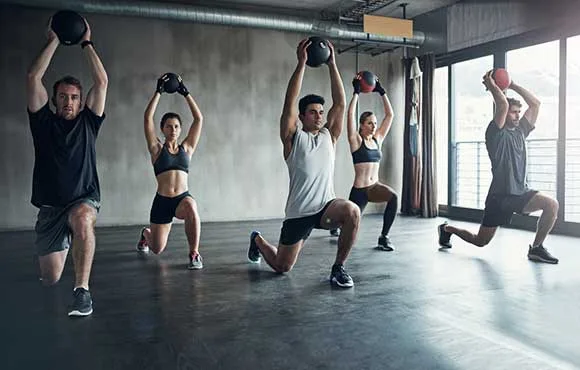
More people are moving away from isolation exercises (like bicep curls) and toward functional movements that mimic real-life activities. This includes squats, lunges, pushes, and pulls. Investing in equipment that facilitates these multi-joint movements—such as trap bars or gymnastic rings—will provide better functional carryover to your daily life.
How to Choose the Best Fitness Equipment for Your Needs
Selecting the right gear can be overwhelming. Use this checklist to ensure you are making a smart purchase:
- Define Your Primary Goal: Are you looking for weight loss, muscle hypertrophy, or general mobility? Buy equipment that serves your primary goal first.
- Assess Your Space: Measure your available area before purchasing large machines. Always leave at least two feet of clearance around any equipment for safety.
- Prioritize Durability: Fitness equipment takes a beating. Look for materials like heavy-gauge steel for racks and high-density rubber for flooring.
- Versatility is Key: If a piece of equipment only performs one exercise, it may not be worth the space it occupies. Prioritize tools that allow for a wide range of movements.
The Importance of Recovery Gear
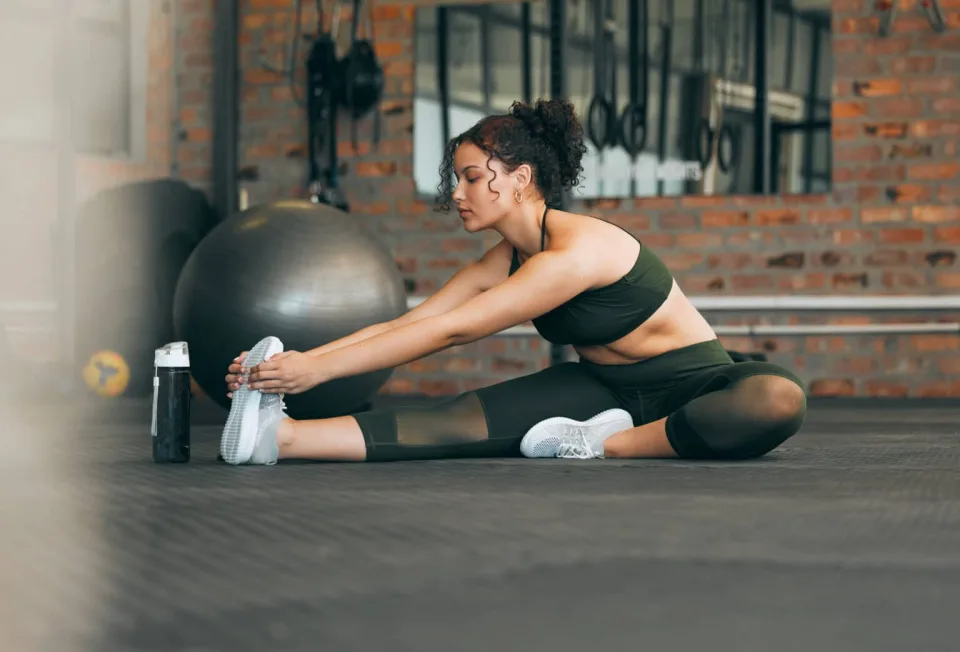
Many fitness enthusiasts focus entirely on the "work" phase and ignore the "recovery" phase. Without proper recovery, your performance will plateau, and your risk of injury increases significantly. The best home gyms include a dedicated recovery corner.
Must-Have Recovery Tools
- High-Density Foam Rollers: Essential for myofascial release and improving blood flow to tight muscles.
- Percussive Therapy Devices: These tools help reduce muscle soreness and improve range of motion after intense sessions.
- Yoga Mats: A high-quality, non-slip mat is necessary for stretching, yoga, and floor-based core work.
Building Your Gym on a Budget
You do not need to spend thousands of dollars to get a great workout. Many of the most effective fitness tools are also the most affordable. If you are just starting, follow the "Progressive Buy" method:
Start with the essentials: a set of resistance bands, a jump rope, and a high-quality yoga mat. As you establish a consistent routine, add one major piece of equipment every few months—such as an adjustable dumbbell set or a pull-up bar. This approach prevents you from overspending on equipment that may gather dust and ensures that your gear grows with your fitness level.
Maintaining Your Equipment for Longevity
To ensure your investment lasts, regular maintenance is required. Sweat is corrosive, and constant movement can loosen bolts over time.
- Wipe down equipment after every use: Use a non-abrasive cleaner to remove sweat and prevent rust.
- Check hardware monthly: Tighten bolts on racks, benches, and machines to ensure structural integrity.
- Lubricate moving parts: If you have cardio machines with chains or rails, follow the manufacturer's guide for lubrication schedules.
Conclusion: Your Fitness Journey Starts Here
The best fitness equipment is the equipment you actually use. Whether you choose a simple pair of kettlebells or a high-end rowing machine, the most important factor is consistency. By creating a space that is accessible, organized, and suited to your specific goals, you remove the barriers that prevent you from reaching your potential.
Remember, fitness is a marathon, not a sprint. Focus on building a routine that you enjoy, track your progress, and prioritize recovery. As you evolve, your home gym will evolve with you, becoming a sanctuary for your physical and mental well-being. Start small, stay consistent, and watch how your dedication transforms your life.
For those looking to take the next step, consider documenting your workouts in a journal or using a fitness tracking app. Pairing your new equipment with a solid plan is the final piece of the puzzle. Now, get out there and start moving!