The Ultimate Guide to the Best Shoes for Every Occasion: Comfort, Performance, and Style
Footwear is far more than just a protective barrier between your feet and the ground. The right pair of shoes can elevate your style, improve your posture, prevent chronic joint pain, and boost your athletic performance. Conversely, poorly designed shoes can lead to long-term physical ailments, including plantar fasciitis, bunions, and lower back issues. Because your feet bear the weight of your entire body, investing time and resources into finding the best shoes for your specific needs is essential for overall well-being.
With thousands of options available on the market, navigating the world of footwear can be overwhelming. From specialized athletic trainers to formal dress shoes and casual weekend slip-ons, each category serves a distinct purpose. This comprehensive guide breaks down the best shoes across various categories, explains the key elements of shoe anatomy, provides a detailed buying guide, and offers practical tips to ensure you find the perfect fit and keep your footwear in pristine condition.
Understanding Shoe Anatomy: Why Construction Matters
Before diving into specific categories, it is crucial to understand how shoes are constructed. Knowing the basic anatomy of a shoe helps you evaluate its quality, durability, and comfort level before making a purchase. A high-quality shoe is a sum of its parts, each engineered to perform a specific function.
Upper, Midsole, Outsole, and Insole
- The Upper: This is the top part of the shoe that encases your foot. It can be made from leather, synthetic mesh, canvas, or knit fabrics. The upper is responsible for securing the foot, providing breathability, and defining the shoe's aesthetic.
- The Insole: Also known as the footbed, this is the interior layer that sits directly beneath your foot. High-quality insoles offer arch support and moisture-wicking properties, and they are often removable to accommodate custom orthotics.
- The Midsole: Positioned between the insole and the outsole, the midsole is the primary shock-absorption layer. It is typically constructed from materials like Ethylene-Vinyl Acetate (EVA) or Polyurethane (PU). A good midsole cushions the impact of each step, reducing stress on your knees and ankles.
- The Outsole: The bottom-most layer of the shoe that makes direct contact with the ground. Usually made of rubber or durable synthetic compounds, the outsole provides traction, slip resistance, and protection against sharp objects.
Construction Methods: Cemented vs. Welted
How the upper is attached to the sole dictates the lifespan of the shoe. Cheaply made shoes often use the cemented method, where the sole is simply glued to the upper. While lightweight and inexpensive, these shoes cannot be easily repaired once the glue degrades. On the other hand, premium footwear utilizes welted construction (such as the Goodyear welt or Blake stitch). This involves stitching the upper and sole together, allowing the shoe to be resoled multiple times by a cobbler, making it a highly sustainable and cost-effective long-term investment.
The Best Shoes for Daily Wear and Casual Outings
For everyday wear, the best shoes strike a perfect balance between casual style and long-lasting comfort. Whether you are running errands, commuting to work, or meeting friends for a casual dinner, your footwear should support your feet for hours without causing fatigue.
Everyday Sneakers
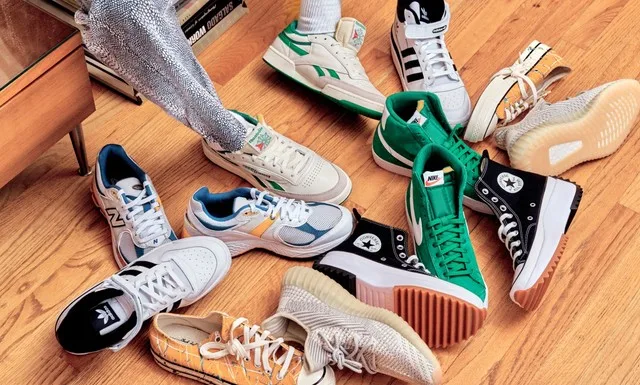
Minimalist, low-top sneakers have become a staple of the modern wardrobe. The best everyday sneakers feature clean lines, neutral colors (such as white, grey, or navy), and premium materials like full-grain leather or high-grade canvas. Leather sneakers are particularly versatile, as they can easily transition from a casual day at the office to a weekend brunch. Look for sneakers with padded collars, breathable linings, and vulcanized rubber outsoles for maximum durability and grip.
Loafers and Slip-Ons
If you want to step up your style from a standard sneaker without sacrificing convenience, loafers and slip-ons are the ideal choice. Penny loafers, tassel loafers, and driving shoes offer a smart-casual aesthetic that pairs beautifully with chinos, jeans, or summer shorts. For maximum comfort, choose loafers made from soft suede or unlined leather that molds to the shape of your foot over time. Slip-ons with elastic side panels (goring) are also excellent for quick wear and travel.
The Best Shoes for Athletic Performance and Fitness
When it comes to physical activity, wearing the correct footwear is not just about performance; it is about injury prevention. Different sports place unique demands on your feet, ankles, and joints, requiring specialized shoe designs.
Running Shoes
Running involves repetitive, high-impact forces. The best running shoes are engineered to absorb this impact and guide your foot through a healthy gait cycle. When selecting running shoes, consider your pronation type:
- Neutral Pronation: The foot rolls inward slightly during a normal stride. Neutral runners benefit from cushioned shoes that offer balanced support.
- Overpronation: The foot rolls excessively inward, putting stress on the ankles and knees. Stability shoes with firm medial posts are designed to correct this motion.
- Underpronation (Supination): The foot does not roll inward enough, causing high impact on the outer edge of the foot. Highly cushioned shoes are essential to absorb shock for supinators.
Additionally, look for running shoes with lightweight, engineered mesh uppers to keep your feet cool, and responsive foam midsoles that return energy with every stride.
Cross-Training Shoes
If your workout routine includes a mix of weightlifting, high-intensity interval training (HIIT), and short sprints, running shoes are not suitable due to their thick, cushioned midsoles, which can cause instability. Instead, opt for cross-training shoes. These feature a flatter, firmer sole with a lower drop (the height difference between the heel and toe) to provide a stable base for squats and deadlifts. They also offer lateral support to protect your ankles during quick, side-to-side movements.
Hiking and Outdoor Footwear
For outdoor enthusiasts, the best hiking shoes or boots offer rugged protection against uneven terrain, rocks, and wet conditions. Key features to look for include deep lugs on the outsole (made from specialized sticky rubber compounds) for superior traction, waterproof membranes (such as Gore-Tex) to keep moisture out while allowing sweat to escape, and reinforced toe caps to protect against stubbing on rocks.
The Best Shoes for Professional and Formal Settings
In professional environments and formal events, your footwear makes a powerful statement about your attention to detail. Classic, well-crafted dress shoes are essential components of a sophisticated wardrobe.
Classic Oxfords and Derbies
The Oxford is the gold standard of formal footwear. Characterized by its closed lacing system (where the eyelet tabs are stitched under the vamp), the Oxford offers a sleek, streamlined silhouette that pairs perfectly with business suits and tuxedos. For a slightly less formal but highly versatile option, the Derby shoe features an open lacing system, making it easier to slip on and highly accommodating for individuals with high insteps.
Professional Heels and Flats
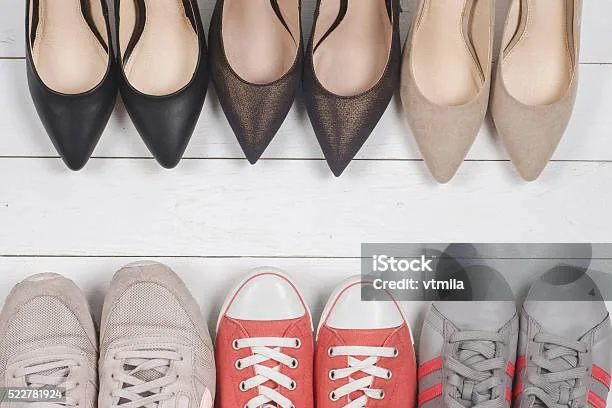
For professional women, finding the best office shoes involves balancing elegance with all-day comfort. Block heels and kitten heels offer a sophisticated lift while distributing body weight more evenly than stilettos, reducing pressure on the balls of the feet. Pointed-toe or almond-toe leather flats with built-in arch support provide a polished, professional look without the physical strain of high heels.
Key Factors to Consider When Buying Shoes
To help you compare different footwear styles and make an informed purchasing decision, refer to the comparison table below, which outlines key performance metrics for various shoe types.
| Shoe Category | Primary Material | Key Benefit | Best For | Durability Rating |
|---|---|---|---|---|
| Leather Sneakers | Full-grain leather, rubber | Versatile style & easy cleaning | Casual wear, smart-casual offices | High |
| Running Shoes | Synthetic mesh, EVA foam | Shock absorption & breathability | Jogging, long-distance running | Medium (needs replacement every 300-500 miles) |
| Cross-Trainers | Mesh, firm polyurethane | Lateral stability & flat support | Gym workouts, HIIT, lifting | Medium-High |
| Leather Oxfords | Calfskin, leather sole | Formal elegance & structure | Weddings, boardrooms, black-tie events | Very High (if welted and maintained) |
| Hiking Boots | Nubuck leather, waterproof membrane | Ankle support & traction | Rough trails, backpacking | Very High |
How to Measure Your Feet for the Perfect Fit
Many people wear the wrong shoe size without realizing it, leading to discomfort and foot issues. Foot size can change over time due to aging, weight fluctuations, or pregnancy. To find the best shoes, follow this step-by-step guide to measure your feet accurately at home:
- Gather your tools: You will need a sheet of paper larger than your foot, a pencil, and a ruler or measuring tape.
- Measure at the end of the day: Your feet naturally swell throughout the day due to gravity and activity. Measuring in the evening ensures your shoes will remain comfortable all day long.
- Wear your preferred socks: Put on the type of socks you plan to wear with the shoes you are purchasing (e.g., thick athletic socks for running shoes, thin dress socks for Oxfords).
- Trace your foot: Stand flat on the paper with your weight evenly distributed. Hold the pencil vertically (at a 90-degree angle) and trace the outline of your foot.
- Measure the length and width: Use the ruler to measure the distance from the back of your heel to the tip of your longest toe. Then, measure the widest part of your forefoot.
- Compare to the manufacturer's size chart: Always check the specific size guide for the shoe style you are buying, as sizing can vary significantly between different categories and production methods.
Care and Maintenance Tips to Extend Your Shoes' Lifespan
Even the best shoes will wear out prematurely if they are not cared for properly. Implementing a simple maintenance routine will keep your footwear looking fresh, smelling clean, and performing optimally for years.
- Rotate your shoes: Avoid wearing the same pair of shoes two days in a row. Giving your shoes 24 to 48 hours to air out allows the materials to dry completely from sweat, preventing bacterial growth and maintaining the structural integrity of the midsole cushioning.
- Use shoe trees: Insert cedar shoe trees into your leather shoes and boots immediately after taking them off. Cedar absorbs moisture, deodorizes naturally, and helps the leather retain its original shape, preventing deep creases.
- Clean immediately: Do not let dirt, mud, or salt sit on your shoes. Wipe down leather shoes with a damp cloth, brush suede with a specialized suede brush, and spot-clean athletic mesh with warm water and mild soap.
- Apply protective sprays: Before wearing new suede, nubuck, or canvas shoes outdoors, apply a high-quality water and stain repellent spray to create a protective barrier against spills and wet weather.
- Store properly: Keep your shoes in a cool, dry place away from direct sunlight, which can dry out leather and fade colors. Avoid storing them in plastic bags or airtight containers where moisture can build up.
Conclusion
Finding the best shoes is a highly personalized journey that requires a balance of function, comfort, and personal style. By understanding the anatomy of a shoe, choosing the right footwear for specific activities, and ensuring a precise fit, you can protect your physical health while stepping out with confidence. Remember that quality footwear is an investment in your health and lifestyle; taking proper care of your shoes will ensure they reward you with comfort and style for years to come.