The Ultimate Toy Buying Guide: How to Choose the Perfect Toys for Every Age and Stage
Walking down the toy aisle or browsing an online toy store can be an overwhelming experience. With thousands of options ranging from flashing electronic gadgets to simple wooden blocks, finding the right toy is more than just a matter of picking something colorful. Toys are the tools of childhood. Through play, children learn about the world, develop critical cognitive and motor skills, express their emotions, and build social connections.
A great toy is one that engages a child’s imagination, matches their developmental stage, and stands the test of time. This comprehensive toy buying guide is designed to help parents, educators, and gift-givers navigate the diverse world of toys. You will learn how to evaluate safety, match toys to developmental milestones, understand different toy categories, and make sustainable, long-lasting choices.
---1. Safety First: The Golden Rules of Toy Shopping
Before considering the educational value or fun factor of a toy, safety must be the top priority. No matter how engaging a toy is, it must be safe for the child’s specific age group. Here are the essential safety standards and guidelines to keep in mind:
Check Age Recommendations Carefully
Age labels on toy packaging are not just suggestions based on intelligence or skill level; they are primarily safety warnings. Toys labeled "3+" often contain small parts that pose a choking hazard to children under three years old who still explore the world by putting objects in their mouths.
Look for Quality Construction and Materials
- Non-Toxic Materials: Ensure that toys, especially those for infants and toddlers, are made from non-toxic, BPA-free, and lead-free materials. Look for certifications such as ASTM D-4236 (for art materials) or CE and EN71 marks in Europe.
- Sturdy Assembly: Inspect toys for sharp edges, splintered wood, or poorly secured small parts like plastic eyes or buttons on plush toys that could easily be pulled off and swallowed.
- Secure Battery Compartments: Toys that use batteries—especially small button batteries—must have compartments secured with screws. Button batteries are extremely dangerous if swallowed.
Avoid Loud Noises and Strong Magnets
Toys that emit loud, screeching noises can damage sensitive young ears. Hold the toy close to your ear; if it sounds too loud to you, it is definitely too loud for a child. Additionally, high-powered magnet sets should be kept away from young children, as swallowing more than one magnet can cause severe, life-threatening intestinal injuries.
---2. Developmental Stages: Matching Toys to Milestones
Children grow and change rapidly. A toy that captivates a toddler might bore a preschooler or frustrate an infant. To choose the best toy, it helps to understand the developmental milestones associated with different age groups.
| Age Group | Developmental Focus | Ideal Toy Types |
|---|---|---|
| Infants (0-12 Months) | Sensory exploration, hand-eye coordination, tracking objects. | Rattles, soft books, contrast cards, teething toys, activity gyms. |
| Toddlers (1-3 Years) | Gross and fine motor skills, cause-and-effect, early language. | Building blocks, push-and-pull toys, shape sorters, simple puzzles. |
| Preschoolers (3-5 Years) | Imaginative play, social interaction, fine motor refinement. | Pretend play sets, dress-up, art supplies, construction sets. |
| School-Age (5-8 Years) | Problem-solving, cooperative play, cognitive challenges. | Board games, basic STEM kits, complex building sets, sports gear. |
| Tweens (9+ Years) | Independent interests, advanced logic, specialized hobbies. | Robotics, advanced craft kits, strategy games, outdoor sports equipment. |
Infants (0 to 12 Months): Sensory Explorers
During the first year of life, babies learn about the world through their five senses: sight, sound, touch, taste, and smell. They transition from involuntary reflexes to intentional movements like reaching, grasping, and sitting up.
For the first few months, high-contrast black-and-white patterns are highly engaging because an infant's vision is still developing. As they grow and begin to grasp objects, soft fabrics with different textures, crinkle papers, and gentle rattles are excellent. Once babies start sitting up and crawling, interactive toys that react to their actions—such as musical instruments, pop-up toys, and soft rolling balls—help teach the concept of cause-and-effect.
Toddlers (1 to 3 Years): Active Investigators
Toddlers are full of energy and curiosity. They are learning to walk, run, climb, and manipulate objects with greater precision. They are also starting to understand language and simple problem-solving.
Toys for this stage should encourage physical movement and fine motor coordination. Push-and-pull toys, large plastic or wooden pegboards, nesting cups, and simple shape sorters are perfect. Toddlers also love to imitate adults, making simple pretend-play toys like toy phones, plastic lawnmowers, or soft baby dolls highly engaging. Sturdy board books with flaps to lift or textures to feel support early literacy skills.
Preschoolers (3 to 5 Years): Creative Thinkers
Preschool age is the golden era of imaginative and cooperative play. Children at this stage have highly active imaginations and are beginning to play with others rather than just alongside them (parallel play). Their fine motor skills are refined enough for more complex tasks.
Look for toys that foster storytelling and creative expression. Action figures, dollhouses, toy kitchens, and dress-up clothes allow preschoolers to act out real-world scenarios and process their emotions. Basic construction toys, such as interlocking plastic bricks or magnetic tiles, encourage spatial awareness and early engineering skills. Art supplies like non-toxic clay, thick crayons, and safety scissors are also excellent for developing hand strength.
Early School-Age (5 to 8 Years): Eager Learners
When children enter school, their cognitive abilities expand dramatically. They begin to understand rules, logic, and cooperative teamwork. They are also developing unique personal interests, whether in science, art, sports, or storytelling.
This is the ideal age to introduce cooperative board games that teach turn-taking, strategy, and sportsmanship. Basic Science, Technology, Engineering, and Math (STEM) kits, such as simple coding robots or volcano-making kits, tap into their natural curiosity. More complex building sets with smaller pieces challenge their fine motor skills and spatial reasoning. Outdoor gear like bicycles, scooters, and jump ropes help them refine their gross motor coordination and burn off energy.
Tweens and Teens (9 Years and Up): Independent Creators
Older children and young teens seek autonomy and enjoy mastering complex skills. They often prefer toys and activities that yield a tangible, functional result or allow them to socialize with peers.
Advanced craft kits (such as jewelry making, wood burning, or sewing), complex model-building kits, and sophisticated robotics kits are highly appealing. Strategy-based board games and detailed card games challenge their critical thinking skills. High-quality outdoor sports equipment, skateboards, and active lawn games support physical fitness and social interaction with friends.
---3. Key Toy Categories and Their Educational Benefits
To build a well-rounded toy collection, it is helpful to understand the different categories of toys and the specific developmental benefits they offer. A healthy play diet includes a mix of these categories.
Open-Ended Toys
Open-ended toys are those that do not have a single designated way to be played with. A set of wooden blocks can become a castle, a bridge, a zoo, or a spaceship. Magnetic tiles, modeling clay, and play silks fall into this category.
Benefits: These toys foster high-level creativity, critical thinking, and problem-solving. Because they adapt to the child's changing developmental level, open-ended toys have incredible longevity, remaining relevant and loved for many years.
Active and Physical Toys
These toys encourage gross motor movement, balance, strength, and coordination. Examples include balls, balance boards, climbing triangles, tricycles, and jump ropes.
Benefits: Physical play is essential for combating sedentary lifestyles, developing healthy bone density and muscle tone, and improving spatial awareness. It also provides a healthy outlet for stress and excess energy.
Cognitive and STEM Toys
STEM (Science, Technology, Engineering, and Math) toys focus on logic, problem-solving, and scientific inquiry. This category includes puzzle boxes, coding games, microscope sets, geometry blocks, and logic puzzles.
Benefits: These toys demystify complex scientific concepts through hands-on learning. They encourage persistence, trial-and-error learning, and spatial-temporal reasoning.
Social-Emotional and Role-Play Toys
Role-play toys allow children to step into different personas. Dollhouses, veterinary play kits, play kitchens, puppets, and dress-up trunks are classic examples.
Benefits: By pretending to be doctors, parents, teachers, or chefs, children practice empathy, language skills, and social cooperation. It helps them process real-life experiences, overcome fears (such as visiting the dentist), and develop emotional regulation.
---4. Quality Over Quantity: How to Choose Toys That Last
In a world dominated by cheap, mass-produced plastic items, adopting a "quality over quantity" mindset is beneficial for both your home environment and the planet. Here is how to select durable, high-value toys:
Evaluate the "Play Value"
Before purchasing a toy, ask yourself: How many ways can a child play with this? Toys that only do one thing—such as an electronic toy that plays a single song when a button is pressed—tend to lose their novelty quickly. Toys with high play value can be integrated into many different types of games and grow with the child.
Consider Material Longevity
Sustainably sourced wooden toys are often superior to cheap plastic alternatives. High-quality wooden toys are highly durable, biodegradable, and free from harmful chemical additives. They possess a pleasant weight and tactile feel that plastic cannot replicate. When plastic is necessary, look for heavy-duty, food-grade plastics that resist cracking and fading.
Embrace Minimalism in the Playroom
Research shows that children play more creatively and for longer periods when they have fewer toys available to them. An excess of toys leads to sensory overload and superficial play, where a child quickly flits from one item to another without deeply engaging. Consider implementing a toy rotation system: keep a small selection of diverse toys accessible, and store the rest out of sight, swapping them out every few weeks to keep the play experience fresh and exciting.
---5. The Smart Toy Buyer's Checklist
To ensure your next toy purchase is a success, run through this quick checklist before heading to the checkout counter:
- Is it safe? Does it match the child's age group, and is it free from small parts, sharp edges, or unsecured batteries?
- Is it open-ended? Can the child use it in multiple ways, or does it control the play? (The toy should do 10% of the work, and the child should do 90%).
- Is it durable? Will it survive being dropped, thrown, or stepped on?
- Does it match the child's current interests? Does it align with what they are passionate about right now (e.g., dinosaurs, building, painting, space)?
- Does it complement their existing collection? Will this toy work well with the toys they already own, expanding their play possibilities?
- Is it easy to clean and store? Can it be wiped down easily, and does it come with a storage container or fit neatly on a shelf?
Conclusion: The Best Toy is Your Time
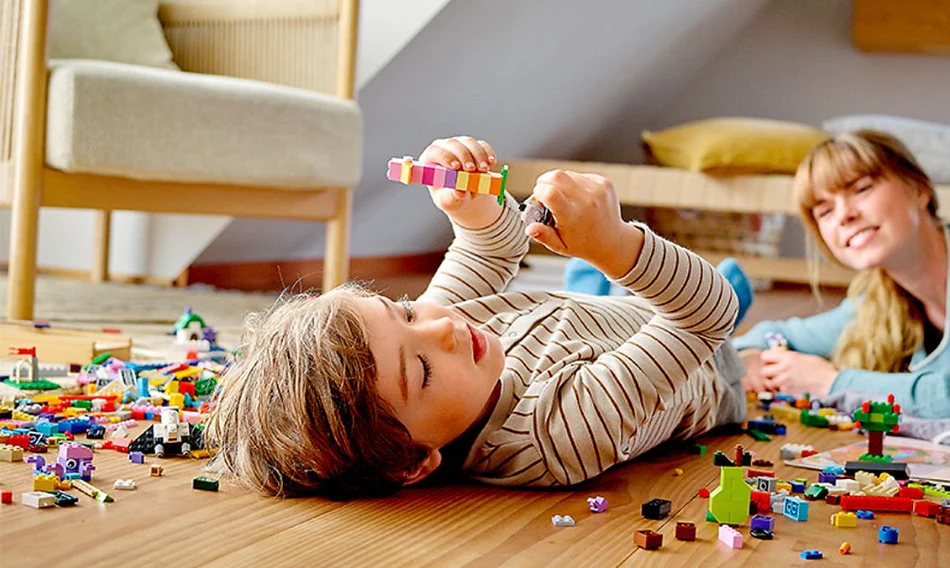
While choosing the right toy is important, the most valuable ingredient in any play session is human connection. No toy, no matter how educational or expensive, can replace the benefits of a parent or caregiver sitting down on the floor to play alongside a child.
By selecting safe, age-appropriate, and open-ended toys, you provide the perfect canvas for your child's imagination. Whether you are building a towering wooden castle together, solving a complex strategy game, or kicking a ball in the backyard, you are not just giving them a toy—you are creating memories and building a foundation for lifelong learning.