The Ultimate Toy Showdown: Educational Toys vs. Traditional Playthings
Choosing the perfect toy for a child is more than just a trip to the store; it is an investment in their development, creativity, and joy. As the toy industry evolves, parents and gift-givers often find themselves at a crossroads: should they prioritize high-tech educational toys that promise cognitive boosts, or stick to traditional playthings that encourage open-ended imagination? This comprehensive guide breaks down the debate, helping you navigate the world of toys to make the best choices for the children in your life.
Understanding the Toy Landscape
The toy market is vast, ranging from simple wooden blocks to complex, app-integrated robotics. To make an informed decision, it is essential to categorize these options. Generally, toys fall into two broad buckets: Educational (STEM/STEAM-focused) and Traditional (Imaginative/Active-focused). While the lines often blur, understanding the primary intent behind a toy can help you align your purchase with a child’s current developmental needs.
What Defines Educational Toys?
Educational toys, often categorized under STEM (Science, Technology, Engineering, and Mathematics) or STEAM (adding Arts), are designed to teach specific skills. These toys provide a structured environment where children learn cause-and-effect, logic, and technical proficiency. Examples include coding kits, science experiment sets, and magnetic building tiles.
What Defines Traditional Toys?
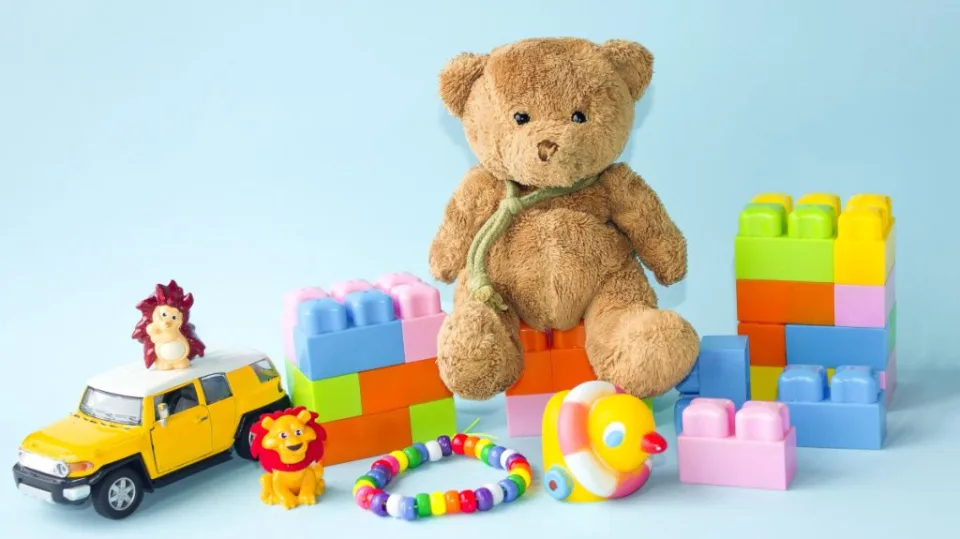
Traditional toys rely on the child’s imagination rather than programmed instructions. These items—such as dolls, action figures, wooden blocks, play kitchens, and sports equipment—are designed to foster social skills, emotional intelligence, and motor development. They are "low-tech" but high-impact in terms of creative freedom.
Comparative Analysis: Educational vs. Traditional Toys
To help you decide which path to take, let’s compare these two categories across several key developmental metrics.
| Feature | Educational Toys | Traditional Toys |
|---|---|---|
| Primary Goal | Skill acquisition and logic | Creative expression and social play |
| Play Style | Structured/Goal-oriented | Open-ended/Imaginative |
| Longevity | Often limited by skill mastery | High; can be used in multiple ways |
| Social Interaction | Often solitary or task-focused | Highly collaborative |
| Cost | Generally higher | Variable (can be very budget-friendly) |
The Benefits of Educational Toys
In an increasingly digital world, educational toys offer a head start. They bridge the gap between classroom learning and playtime. Here is why they are a staple in modern households:
- Cognitive Development: These toys challenge children to solve problems, recognize patterns, and think critically.
- Future-Proofing: Introducing children to concepts like basic circuitry or coding early on can reduce the "fear factor" associated with technology later in life.
- Focus and Patience: Many educational toys require a sequence of steps to complete, teaching children the value of perseverance and focus.
The Enduring Value of Traditional Toys
Despite the rise of digital learning, traditional toys remain vital. Child psychologists often argue that "less is more" when it comes to play. Traditional toys offer benefits that are difficult to replicate with technology:
- Imaginative Freedom: A plain wooden block can be a spaceship, a castle, or a phone. This forces the brain to create, rather than just consume.
- Emotional Intelligence: Playing with dolls or role-playing sets allows children to process real-world scenarios, empathy, and social dynamics.
- Physical Development: Traditional toys like balls, jump ropes, or ride-on vehicles promote gross motor skills and physical activity, which are essential for healthy development.
How to Choose the Right Toy for Every Age
Choosing the right toy is not just about the type; it is about the developmental stage of the child. Here is a guide to selecting the best toys based on age groups:
Infants and Toddlers (0-2 Years)
At this stage, sensory exploration is key. Look for toys that stimulate the five senses. Soft textures, bright colors, and stacking rings are excellent. Avoid toys with small parts that pose choking hazards.
Preschoolers (3-5 Years)
This is the golden age of imaginative play. Preschoolers thrive with dress-up costumes, art supplies, and simple construction sets. This is the perfect time to introduce toys that encourage role-playing, such as medical kits or play kitchens.
School-Age Children (6-10 Years)
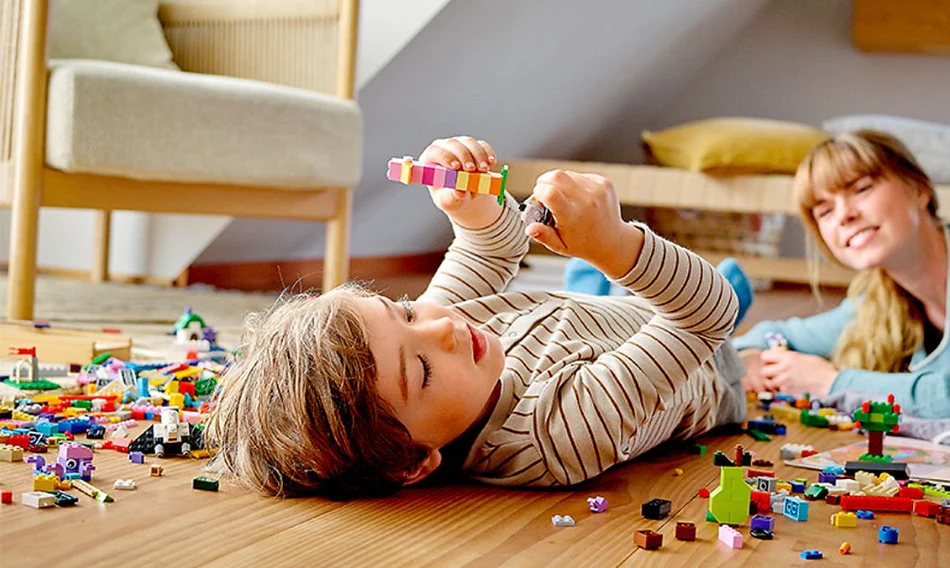
Children in this age group are ready for more complexity. This is the sweet spot for both advanced LEGO sets (a hybrid of traditional and structural) and introductory coding or science kits. They are beginning to appreciate rules and structured goals.
Current Trends in the Toy Industry
The toy world is currently experiencing a shift toward "Hybrid Play." Manufacturers are blending the best of both worlds. For example, you can now find building blocks that interact with an app to tell a story, or physical dolls that come with digital companion games.
Sustainability is another major trend. More parents are opting for high-quality wooden toys over plastic alternatives, not only for environmental reasons but for the sensory experience and durability that natural materials provide. When shopping, look for FSC-certified wood or recycled plastics to ensure your purchase aligns with eco-friendly values.
Tips for Toy Organization and Maintenance
Having the best toys is only half the battle; maintaining them is equally important. A cluttered toy box can overwhelm a child, leading to less engagement. Consider these tips:
- Toy Rotation: Don't display every toy at once. Keep some in storage and rotate them every few weeks. This keeps play fresh and exciting.
- Clear Storage: Use transparent bins to help children see what is available, which encourages independent play.
- Quality Over Quantity: It is better to have three high-quality toys that last for years than a dozen cheap plastic items that break within a week.
Making the Final Decision
When you are standing in the aisle or scrolling through an online catalog, remember that the "best" toy is the one that engages the child. If a child is fascinated by space, a telescope or a model rocket kit will be more "educational" than a generic math game. If a child loves stories, a set of puppets will be more valuable than a high-tech tablet toy.
The ultimate goal of play is to foster a love of learning and discovery. By balancing structured educational toys with open-ended traditional playthings, you provide a well-rounded environment that supports both intellectual growth and emotional well-being. Don't be afraid to mix and match; the most creative children are often those who use their science kit to build a laboratory for their action figures.
Conclusion: The Balanced Playroom
The debate between educational and traditional toys is not a zero-sum game. You do not need to choose one over the other. The most effective toy collections are those that offer a variety of experiences. By selecting toys that challenge the intellect while simultaneously leaving room for the imagination to run wild, you are giving children the tools they need to navigate the world with curiosity and confidence. Whether it is a complex coding robot or a simple set of paints, the value of the toy is ultimately defined by the joy and growth it brings to the child.