Ultimate Home Gym Equipment Buying Guide: How to Build Your Perfect Fitness Space
Building a home gym is one of the most rewarding investments you can make for your health, longevity, and daily routine. By eliminating commute times, waiting for equipment, and monthly membership fees, a personalized workout space removes the most common friction points of maintaining a consistent fitness habit. However, walking into the world of fitness equipment can be overwhelming. With thousands of options ranging from budget-friendly resistance bands to high-tech, interactive smart gyms, making the right choice requires a strategic approach.
This comprehensive buying guide is designed to help you navigate the vast landscape of fitness equipment. Whether you are a dedicated powerlifter, a cardio enthusiast, or someone looking to stay active with low-impact exercises, this guide will provide the objective criteria you need to make informed, value-driven purchasing decisions.
Step 1: Defining Your Fitness Goals and Budget
Before browsing online catalogs or visiting local fitness showrooms, you must clarify what you want to achieve. Purchasing equipment without a clear plan often leads to expensive clothes hangers—treadmills and stationary bikes that gather dust because they do not align with the user's actual fitness preferences.
Identifying Your Primary Training Modality
Your fitness goals dictate the type of equipment that should form the foundation of your home gym. Consider which of the following categories best describes your primary objective:
- Strength and Muscle Building: Focus on progressive overload. Your priority should be free weights (dumbbells, barbells, weight plates), a sturdy bench, and a safety-focused rack or cage.
- Cardiovascular Endurance: Focus on sustained heart rate elevation. Your priority should be high-quality cardio machines such as treadmills, stationary bikes, elliptical trainers, or rowing machines.
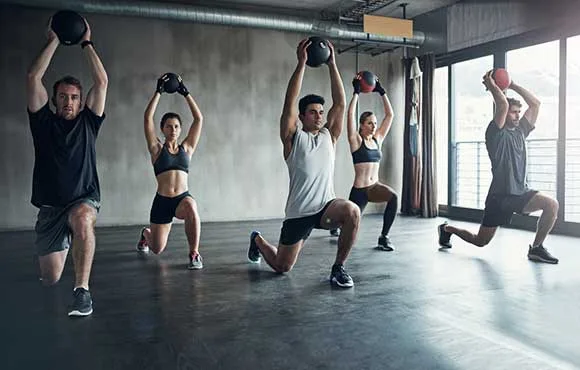
- Functional Fitness and Athletic Performance: Focus on multi-planar movements, power, and agility. Your priority should be kettlebells, medicine balls, suspension trainers, plyometric boxes, and resistance bands.
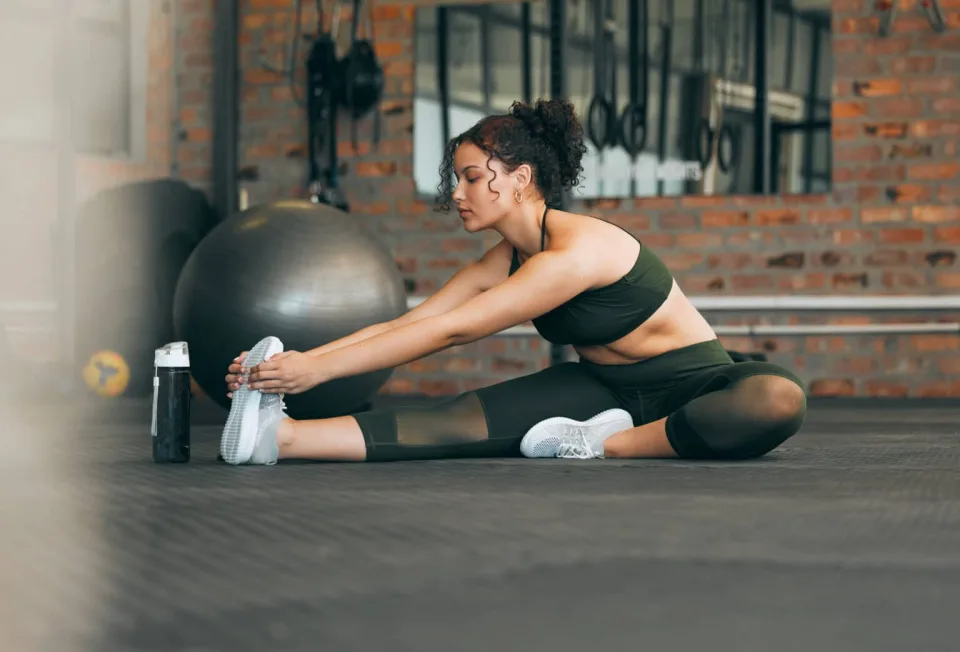
- Flexibility, Balance, and Recovery: Focus on mobility and low-impact movement. Your priority should be high-density yoga mats, foam rollers, yoga blocks, and stretching straps.
Setting a Realistic Budget
Fitness equipment is available at almost every price point. Setting a budget early prevents overspending and helps you allocate funds to the pieces of equipment that will yield the highest return on investment (ROI). It is helpful to categorize your budget into three tiers:
- Entry-Level (Under $500): Focuses on space-saving, versatile gear. Excellent for resistance bands, adjustable dumbbells, jump ropes, a basic utility bench, and suspension trainers.
- Mid-Range ($500 - $2,000): Allows for high-quality individual pieces. You can secure a solid barbell and plate set, a heavy-duty power rack, or a reliable, non-commercial motorized treadmill or magnetic spin bike.
- Premium ($2,000+): Suitable for complete home gym transformations. This budget accommodates commercial-grade strength racks, smart interactive cardio machines with built-in touchscreens, and specialized selectorized cable machines.
Step 2: Assessing Your Space and Environment
The physical constraints of your home are just as important as your budget. Buying a commercial-grade power rack only to find out it is three inches taller than your basement ceiling is a costly mistake.
Floor Space vs. Vertical Space
Measure your dedicated workout area carefully, noting the length, width, and ceiling height. Remember to account for "operational space." For example, a 7-foot Olympic barbell is 84 inches long, but you need at least 1.5 to 2 feet of clearance on either side to safely load and unload weight plates. Similarly, when using a treadmill, you need safety clearance behind the machine in case of a fall.
If space is limited, prioritize multi-functional and vertical-storage equipment. Look for folding treadmills, wall-mounted folding power racks, adjustable dumbbells that replace an entire rack of fixed weights, and vertical weight plate trees.
Flooring and Noise Reduction
Your home's structure must be protected from the impact of heavy workouts. Standard carpet, hardwood, or tile floors are easily damaged by dropped weights or the continuous vibration of heavy cardio equipment. Investing in proper gym flooring is essential.
High-density rubber tiles or interlocking foam mats (at least 3/8-inch thickness for general use, and 3/4-inch thickness for heavy deadlifting) absorb shock, protect your subfloor, and significantly reduce noise and vibration. If you live in an apartment or shared housing, noise reduction is a critical courtesy. Magnetic resistance cardio machines are much quieter than air-resistance or chain-driven models.
Key Categories of Home Fitness Equipment
To build a balanced, effective workout environment, it is helpful to understand the nuances of the major equipment categories. Below, we break down the key considerations for cardio, strength, and recovery gear.
Cardiovascular Equipment
Cardio machines are excellent for cardiovascular health, calorie burn, and endurance. When shopping for cardio equipment, focus on the drive system, console features, and mechanical durability.
1. Treadmills
Treadmills remain the most popular home fitness machine, but they are also the most mechanically complex. Look for the following specifications:
- Motor Power: Measured in Continuous Horsepower (CHP). For walking, 2.0 CHP is sufficient. For running, look for at least 3.0 CHP to ensure the motor does not overheat or stutter under load.
- Belt Size: Runners need a deck that is at least 20 inches wide and 60 inches long to accommodate a natural stride without risk of stepping off the belt.
- Cushioning: High-quality deck cushioning absorbs impact, protecting your knees, ankles, and lower back from the repetitive stress of running on asphalt.
2. Stationary Bikes
Stationary bikes offer a low-impact cardiovascular workout. They generally fall into three categories: upright bikes, recumbent bikes (which offer lumbar support), and indoor cycling (spin) bikes. Key factors include:
- Flywheel Weight: A heavier flywheel (typically 30 to 45 pounds for spin bikes) provides a smoother, more road-like riding experience.
- Resistance Type: Magnetic resistance is virtually silent and requires almost no maintenance. Friction resistance (felt pads) is cheaper but wears out over time and can make a slight whistling sound.
3. Rowing Machines
Rowers provide a highly effective full-body workout, engaging up to 86% of your body's muscles. They utilize different resistance systems:
- Air Rowers: Use a flywheel fan. The harder you pull, the more resistance you create. They offer a highly dynamic feel but are quite loud.
- Water Rowers: Use paddles suspended in a water tank. They mimic the physical feel and soothing sound of rowing on open water.
- Magnetic Rowers: Use electromagnets to control resistance. They are incredibly quiet and allow for precise resistance adjustments, though they lack the dynamic response of air or water models.
Strength Training Equipment
Strength training equipment is highly durable and retains its value well. When buying strength gear, material quality and structural integrity are your primary safety concerns.
1. Free Weights: Dumbbells and Barbells
Free weights are the gold standard for building functional strength. They allow your body to move through natural, three-dimensional pathways.
- Adjustable Dumbbells: These are the ultimate space-savers. A single pair of high-quality dial or selector pin adjustable dumbbells can replace up to 15 to 30 individual pairs of traditional dumbbells, saving both floor space and hundreds of dollars.
- Barbells: Look for a high-quality steel barbell with a reliable sleeve rotation system (bushings for powerlifting, bearings for Olympic lifting). A standard Olympic bar weighs 20kg (approx. 44 lbs) and has 2-inch diameter sleeves. Avoid cheap 1-inch standard bars, as they have low weight capacities and bend easily.
- Weight Plates: Cast iron plates are classic, durable, and make that traditional "clank" sound. Bumper plates (made of high-density rubber) are designed to be dropped from overhead during Olympic lifts or deadlifts without damaging the floor or the bar.
2. Benches and Racks
A stable foundation is critical for heavy lifting. Never compromise on the structural integrity of your bench or rack.
- Adjustable Benches: Look for a bench rated for at least 600 to 1,000 pounds of combined user and lift weight. Ensure it adjusts smoothly between flat, incline, and decline positions without wobbling.
- Power Racks and Squat Stands: The power rack is the safety center of your home gym. Look for heavy-duty steel construction (11-gauge or 14-gauge steel is ideal) with secure safety spotter arms or straps. Ensure the rack features standard hole spacing (such as Westside spacing in the bench zone) for precise safety adjustments.
Flexibility and Recovery Tools
An often-overlooked aspect of fitness is recovery. Dedicating a small budget to mobility tools can prevent injuries and improve overall training performance.
- Yoga Mats: Look for a non-slip, high-density mat with a thickness of at least 4mm to 6mm to cushion your joints during floor work.
- Foam Rollers: Excellent for myofascial release. High-density molded foam rollers retain their shape longer than soft open-cell foam rollers. Grid-patterned rollers offer a deeper, more intense massage.
Comparing Home Fitness Equipment Categories
To help you decide where to allocate your budget, the table below compares the primary categories of fitness equipment based on key purchasing criteria:
| Equipment Type | Primary Fitness Benefit | Space Required | Average Lifespan | Maintenance Level |
|---|---|---|---|---|
| Adjustable Dumbbells | Strength, Hypertrophy, Muscle Balance | Very Low (Fits in a corner) | High (10+ years if handled carefully) | Low (Keep mechanism clean) |
| Power Rack & Barbell | Maximal Strength, Power, Safety | High (Requires dedicated floor space) | Exceptional (Lifetime durability) | Low (Occasional oiling of bar sleeves) |
| Motorized Treadmill | Cardio, Endurance, High Calorie Burn | High (Needs clearance behind deck) | Medium (5–10 years depending on motor) | High (Belt lubrication and alignment) |
| Magnetic Stationary Bike | Low-Impact Cardio, Leg Endurance | Medium (Relatively compact footprint) | High (Fewer moving parts than treadmills) | Low (Wipe down sweat to prevent rust) |
| Resistance Bands | Mobility, Joint Friendly Strength, Rehab | Negligible (Fits in a drawer) | Low (Rubber degrades over 2–4 years) | None (Inspect regularly for micro-tears) |
Critical Factors to Evaluate Before Purchasing
When you are ready to make a purchase, use these three critical quality indicators to evaluate any piece of fitness equipment. This step will protect you from purchasing low-quality items that break down prematurely.
1. Build Quality and Materials
For strength equipment, look closely at the steel gauge. In the fitness industry, a lower gauge number means thicker, stronger steel. For example, 11-gauge steel (approx. 3mm thick) is commercial-grade and incredibly safe, while 14-gauge steel (approx. 2mm thick) is lighter but perfectly suitable for most home users. Avoid anything thinner than 16-gauge for structural weight-bearing components.
For cardio equipment, pay attention to the weight capacity of the machine. A higher maximum user weight capacity (e.g., 300 lbs vs. 220 lbs) is a direct indicator of a stronger frame, more robust bearings, and a more durable motor or drive system.
2. Safety Features
Safety should always be your top priority, especially if you plan to exercise alone at home. Look for the following essential safety features:
- Treadmills: Must have an emergency stop safety key that clips to your clothing, instantly shutting off the motor if you fall behind.
- Power Racks: Must include safety spotter bars, pins, or heavy-duty nylon safety straps that can catch a loaded barbell if you fail a lift.
- Adjustable Weights: Ensure the locking mechanism is made of metal rather than cheap plastic, preventing weight plates from slipping off mid-exercise.
3. Warranty and Customer Support
A manufacturer's warranty is a direct reflection of their confidence in the product's durability. A high-quality piece of fitness equipment should offer:
- Frames: Lifetime or 10-year warranty on structural frames (both strength and cardio).
- Motors: 5 to 10 years on treadmill drive motors.
- Parts and Electronics: 1 to 3 years on moving parts, consoles, and electronics.
- Labor: At least 1 year of in-home labor coverage.
Before purchasing, research the brand's reputation for customer service. If a part breaks, you want to ensure the company has a reliable supply chain for replacement parts and responsive support agents.
Smart vs. Traditional Fitness Equipment: Which is Right for You?
The rise of connected fitness has introduced a major decision point for modern buyers: should you buy traditional "analog" equipment or modern "smart" connected equipment?
Smart Connected Equipment
Smart equipment features built-in touchscreens, live and on-demand fitness classes, auto-adjusting resistance, and advanced performance tracking. Examples include interactive stationary bikes, smart rowing machines, and wall-mounted digital weight systems.
Pros: Highly engaging, provides community motivation, tracks your progress automatically, and offers professional coaching from your home.
Cons: Significantly higher upfront cost, requires a monthly subscription fee (often $30 to $50/month) to access the smart features, and becomes highly limited in functionality if you cancel the subscription or if the company goes out of business.
Traditional Equipment
Traditional equipment relies on mechanical simplicity. You adjust weights manually with pins, turn physical knobs for resistance, and track your workouts using a journal, phone app, or basic LCD console.
Pros: Lower upfront cost, zero monthly subscription fees, exceptional longevity, and fewer electronic components that could fail over time.
Cons: Lacks built-in entertainment or dynamic guidance, requiring you to design your own workouts and find your own motivation.
The Verdict: If you thrive on class environments, struggle with self-motivation, and have room in your monthly budget, smart equipment is a fantastic investment. If you prefer a distraction-free workout, already have a structured training plan, and want equipment that will last decades without software updates, stick with high-quality traditional gear.
Your Home Gym Buying Checklist
To ensure a successful purchase, follow this step-by-step checklist before clicking "buy":
- Measure twice: Verify the equipment's footprint, height, and operational clearance against your actual room measurements.
- Check your electrical outlets: Heavy-duty treadmills often require a dedicated circuit or a specific voltage outlet to operate safely without tripping your breaker.
- Plan the delivery: Fitness equipment is heavy. Determine if the shipping option includes "threshold delivery" (leaving it at your door) or "room of choice delivery." If you live on the third floor of an apartment, you will likely need assistance.
- Read verified reviews: Look for long-term user reviews (6 months to 1 year of use) to identify potential durability issues or design flaws.
- Prioritize modularity: Start with a few versatile pieces (like adjustable dumbbells and a flat bench) and gradually expand your gym as your fitness habits solidify.
By taking a methodical, needs-based approach to your purchases, you will build a functional, safe, and motivating home gym that serves your health and wellness goals for years to come.