Choosing the Perfect Playtime Companion: Educational Toys vs. Traditional Toys
For parents, educators, and gift-givers, the toy aisle can feel like a labyrinth. With thousands of options ranging from high-tech robotic kits to simple wooden blocks, the decision-making process often comes down to a fundamental question: Should I prioritize educational toys or stick with traditional, open-ended toys? Understanding the nuances between these two categories is essential for fostering a child’s development while ensuring they remain engaged and entertained.
In this guide, we explore the distinct benefits, developmental impacts, and long-term value of both categories to help you make informed decisions for the children in your life.
Defining the Categories: What Sets Them Apart?
Before diving into the comparison, it is important to define what we mean by these two broad categories. While there is often overlap, the primary focus of the design dictates the classification.
What are Educational Toys?
Educational toys are specifically designed to teach a particular skill or concept. These toys often have a "correct" way to be used and are frequently tied to academic subjects like Science, Technology, Engineering, Art, and Mathematics (STEAM). Examples include logic puzzles, alphabet-matching games, coding robots, and chemistry sets.
What are Traditional Toys?
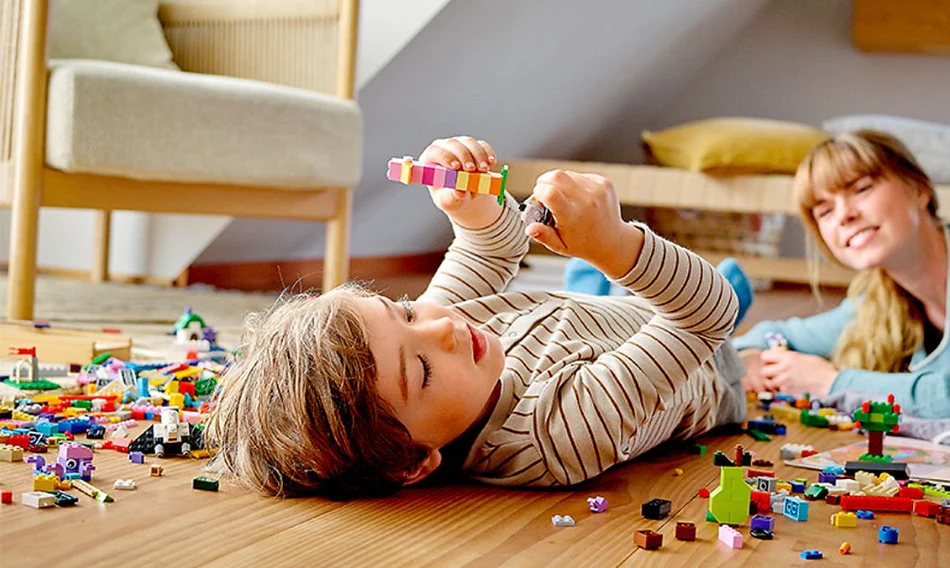
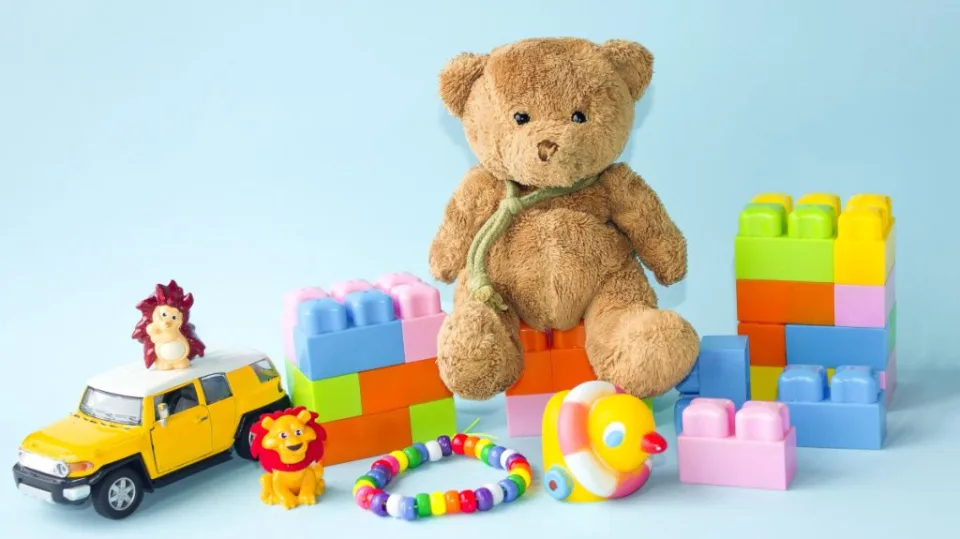
Traditional toys—often referred to as open-ended toys—are those that do not have a prescribed outcome. They rely heavily on the child's imagination. Examples include building blocks, dolls, action figures, play kitchens, and art supplies. The "instruction manual" for these toys is essentially the child's creativity.
Comparative Analysis: Educational vs. Traditional Toys
To help you navigate your next purchase, we have broken down the key differences across five critical metrics.
| Feature | Educational Toys | Traditional (Open-Ended) Toys |
|---|---|---|
| Primary Goal | Skill acquisition and cognitive learning. | Creative expression and emotional development. |
| Play Duration | Often shorter; once the puzzle is solved, interest may wane. | Long-term; children invent new scenarios every time. |
| Learning Style | Structured, goal-oriented, and focused. | Exploratory, social, and imaginative. |
| Age Relevance | Highly specific to developmental stages. | Versatile; can grow with the child. |
| Durability | Often contain electronic parts that can break. | Usually made of wood or durable plastic; long-lasting. |
The Developmental Benefits of Educational Toys
Educational toys are powerhouses when it comes to preparing children for the academic environment. By focusing on specific cognitive tasks, they provide several unique advantages:
- Cognitive Precision: These toys train the brain to recognize patterns, solve logical sequences, and understand cause-and-effect relationships.
- STEM Readiness: Early exposure to coding, geometry, and physics through play builds a foundational comfort level with complex subjects.
- Sense of Achievement: Successfully completing a complex puzzle or a math-based game provides a hit of dopamine, encouraging children to tackle harder challenges.
The Power of Imagination: Why Traditional Toys Endure
While educational toys focus on "knowing," traditional toys focus on "being." They are the cornerstone of healthy childhood development for several reasons:
1. Emotional Intelligence and Social Skills
When a child plays with dolls or action figures, they are role-playing real-world social scenarios. They practice empathy, negotiation, and conflict resolution—skills that are rarely taught through an electronic learning device.
2. The "Boredom" Factor
It sounds counterintuitive, but toys that don't "do" anything force children to think for themselves. When a toy doesn't have a screen or a speaker, the child becomes the director, the scriptwriter, and the lead actor. This fosters high levels of creativity and critical thinking.
3. Versatility and Longevity
A set of wooden blocks can be a castle at age three, a bridge at age five, and a complex architectural model at age eight. Because they lack a "right way" to be played with, they offer a better return on investment over time.
How to Balance Your Toy Collection
The best approach is rarely to choose one over the other. A well-rounded playroom acts as a balanced diet for a child’s brain. Here is how to curate a collection that benefits all areas of development:
The 70/30 Rule
Many child development experts suggest a 70/30 split. Dedicate 70% of your toy budget or storage space to open-ended, traditional toys that encourage imagination, and 30% to educational, skill-specific toys that introduce new concepts and challenges.
Observe and Pivot
Pay attention to how the child plays. If they are constantly asking "What do I do next?" with an educational toy, they might be frustrated or bored. If they are building elaborate worlds with cardboard boxes and basic figures, lean into that by adding more open-ended accessories like fabric scraps, blocks, or figurines.
Choosing Toys Based on Developmental Milestones
Age is a significant factor in deciding which type of toy to introduce. Here is a brief guide to matching toys with developmental stages:
Toddlers (Ages 1–3)
Focus on sensory-rich traditional toys. Stacking blocks, shape sorters, and push-pull toys help with motor skills. Keep educational toys simple—think basic color matching or animal sound recognition.
Preschoolers (Ages 3–5)
This is the golden age of imaginative play. Introduce dress-up kits, play kitchens, and building sets (like magnetic tiles). Educational toys here should focus on pre-literacy and pre-numeracy, such as letter-tracing boards.
School-Age (Ages 6+)
Children are ready for more structured educational challenges. This is the time to introduce robotics kits, strategy board games, and complex science experiments. However, continue to support their traditional play with art supplies and construction sets that allow for complex engineering.
Trends Shaping the Future of Toys
The toy industry is evolving. We are seeing a convergence where traditional toys are becoming "smarter" and educational toys are becoming more "playful."
The Rise of "Phygital" Play
We are seeing an increase in toys that combine physical objects with digital apps. While this can be a great way to bridge the gap, parents should remain cautious. The goal should always be to use the technology to enhance the physical play, not to replace it with screen time.
Sustainability and Natural Materials
There is a growing trend toward wooden, bamboo, and recycled plastic toys. These materials are generally associated with traditional, open-ended play. Choosing sustainable toys is not just an environmental choice; it is often a choice for higher quality, longer-lasting items that survive years of play.
Conclusion: The Ultimate Goal of Play
When comparing educational toys and traditional toys, it is important to remember that the goal is not to produce a child who is an academic genius or a professional artist. The goal is to provide tools that help a child understand their world, regulate their emotions, and develop a sense of curiosity.
Educational toys offer the building blocks of knowledge, while traditional toys provide the canvas for the imagination. By providing a mix of both, you ensure that the children in your life have the skills to solve problems and the creativity to dream up solutions. Ultimately, the best toy is the one that brings the child joy, encourages them to explore, and keeps them engaged in the beautiful, complex work of growing up.
Whether you choose a complex science kit or a simple bucket of wooden blocks, you are investing in the most important development a child can undergo: the discovery of their own potential.