The Ultimate Guide to Choosing the Best Toys: Trends, Developmental Benefits, and Buying Tips
Finding the perfect toy in a market flooded with endless options can feel overwhelming. Whether you are shopping for a toddler, a curious school-aged child, or a tech-savvy teenager, the "best" toys are those that balance entertainment with developmental value. In this comprehensive guide, we explore how to navigate the world of toys, identify current trends, and make informed purchasing decisions that provide lasting joy and educational benefits.
Understanding the Developmental Value of Toys
Toys are far more than mere distractions; they are the tools through which children explore the world, develop motor skills, and learn social cues. When selecting the best toys, it is essential to consider the developmental stage of the child.
- Infants (0-12 months): Focus on sensory stimulation. Toys with high-contrast colors, varied textures, and gentle sounds help develop vision and tactile recognition.
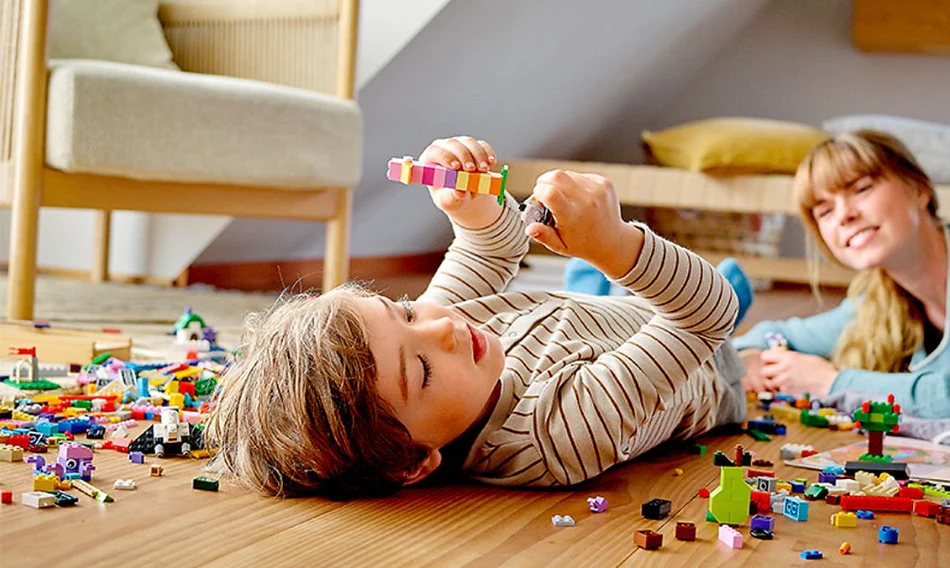
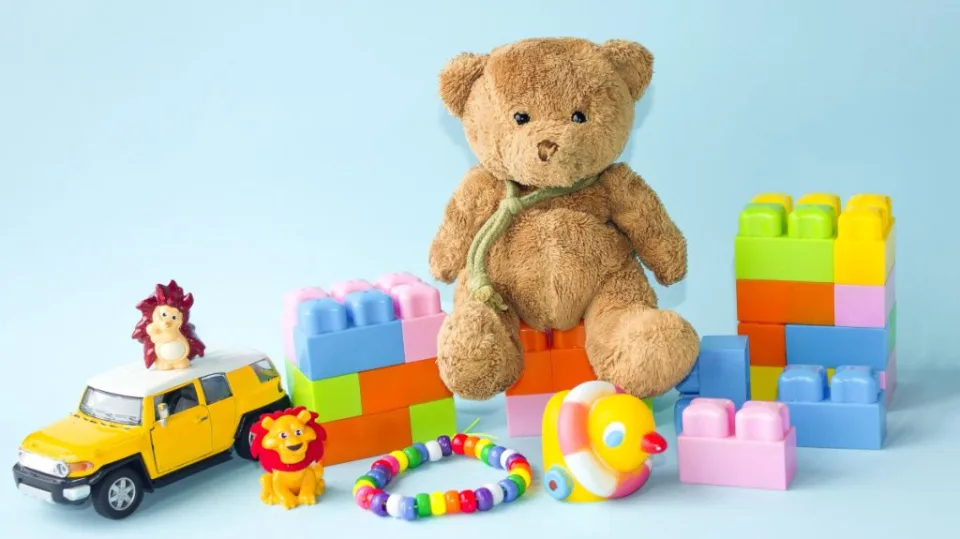
- Toddlers (1-3 years): Encourage movement and problem-solving. Building blocks, shape sorters, and push-pull toys are excellent for refining fine and gross motor skills.
- Preschoolers (3-5 years): Prioritize imaginative play. Dress-up kits, art supplies, and role-playing sets foster creativity and social cooperation.
- School-Aged Children (6+ years): Look for complexity. STEM kits, strategy board games, and intricate construction sets challenge their logical thinking and persistence.
Top Toy Trends for 2024 and Beyond
The toy industry is constantly evolving. Staying ahead of trends helps you choose gifts that feel modern and engaging. Currently, the market is shifting toward three major pillars: sustainability, digital integration, and open-ended play.
1. Eco-Friendly and Sustainable Materials
Modern parents and gift-givers are increasingly prioritizing the environment. Toys made from FSC-certified wood, recycled plastics, and organic cotton are trending heavily. These items are not only safer for the planet but often offer superior durability compared to cheap, mass-produced plastic alternatives.
2. The Rise of "Phygital" Play
Phygital (physical + digital) toys bridge the gap between tactile play and screen time. Think of building blocks that interact with an app to show 3D animations or board games that use a tablet to track scores and rules. These toys help children engage with technology in a constructive, active way rather than being passive consumers of media.
3. Open-Ended and "Quiet" Toys
There is a significant resurgence in "open-ended" toys—items that do not have a single "correct" way to be played with. Examples include magnetic tiles, wooden rainbows, and loose-parts play kits. These toys are highly prized because they allow children to create their own narratives, fostering deep concentration and creativity.
How to Choose the Best Toys: A Buyer’s Checklist
Before making a purchase, use this table to evaluate whether a toy is worth the investment.
| Criteria | What to Look For | Why it Matters |
|---|---|---|
| Durability | Sturdy construction, high-quality materials. | Prevents waste and ensures long-term safety. |
| Safety | Age-appropriate labeling, non-toxic materials. | Protects children from choking or chemical hazards. |
| Replayability | Versatile uses, open-ended design. | Ensures the toy isn't discarded after one use. |
| Skill Building | Targets motor, cognitive, or social skills. | Adds educational value to the fun. |
The Best Categories of Toys for Different Interests
To narrow down your search, consider the specific interests of the child. Categorizing toys helps you find something that resonates with their personality.
STEM and Logic Toys
For children who love to take things apart and see how they work, STEM (Science, Technology, Engineering, and Math) toys are the gold standard. Look for programmable robots, chemistry sets, and advanced construction sets that teach basic physics and coding principles. These toys are excellent for building confidence in academic subjects through hands-on experimentation.
Creative and Artistic Toys
Artistic expression is vital for emotional development. High-quality art supplies—such as professional-grade crayons, modeling clay, or DIY craft kits—allow children to express themselves. When choosing these, prioritize sets that offer a wide variety of mediums to keep the child’s interest piqued over time.
Active and Outdoor Toys
In an age of increased screen time, outdoor toys are essential for physical health. Bicycles, scooters, backyard sports equipment, and climbing frames encourage movement and coordination. The best outdoor toys are those that can be used in multiple ways, such as a soccer net that doubles as a practice goal for various sports.
Safety First: Tips for Responsible Toy Shopping
Regardless of how fun a toy looks, safety is non-negotiable. As a savvy shopper, you should always keep the following safety protocols in mind:
- Check Age Ratings: Age guidelines are not just suggestions; they are based on safety testing regarding choking hazards and cognitive ability.
- Inspect for Small Parts: If you are buying for a household with multiple children, ensure that toys with small parts are kept away from toddlers.
- Battery Safety: Toys that require batteries should have secure, screw-fastened compartments. Ensure that button batteries, which are highly dangerous if swallowed, are inaccessible.
- Avoid Counterfeits: When shopping online, stick to reputable retailers. Counterfeit toys often bypass safety regulations and may contain harmful chemicals like lead or phthalates.
The Long-Term Benefits of Investing in Quality
It is tempting to opt for the cheapest toy on the shelf, but investing in quality pieces often proves more cost-effective in the long run. High-quality toys—often referred to as "heirloom" quality—are built to last through years of play. They can often be passed down to siblings or donated, reducing environmental waste.
Furthermore, quality toys tend to be more aesthetically pleasing and better designed. A well-designed wooden train set, for example, functions smoothly and encourages better fine motor control than a poorly manufactured plastic one that constantly derails. By choosing "best-in-class" toys, you are prioritizing the child's experience and fostering a better environment for play.
Conclusion: Cultivating Joy Through Thoughtful Play
The "best" toy is ultimately the one that meets a child where they are in their development while challenging them to reach a little bit further. Whether it is a simple set of blocks that builds the foundation for engineering skills or a complex board game that teaches strategy and sportsmanship, the right toy creates memories and learning opportunities that last a lifetime.
By focusing on durability, developmental appropriateness, and the child’s unique interests, you can navigate the toy market with confidence. Remember that the goal is not to fill a toy box to the brim, but to curate a selection of high-quality items that inspire curiosity, joy, and meaningful engagement. Happy gifting!