Departmental Organization: Choosing the Best Storage Solutions for Your Workspace
Effective departmental organization is the backbone of any productive workplace. Whether you are managing a bustling marketing team, a technical engineering department, or a busy administrative office, the way you store, categorize, and access resources determines your team's daily efficiency. A cluttered department leads to lost time, increased stress, and a lack of professional focus. To optimize your workspace, it is essential to understand the various storage and organizational methodologies available today.
In this guide, we compare the most popular departmental storage solutions—Modular Cabinetry, Open Shelving Systems, and Mobile Pedestal Units—to help you determine which approach best fits your team’s specific workflow and spatial requirements.
Understanding the Importance of Departmental Organization
Departmental organization refers to the strategic arrangement of physical and digital assets within a specific functional area of a business. When a department is well-organized, team members spend less time searching for files, supplies, or equipment, and more time on high-value tasks. The goal is to create an environment where tools are intuitive to find and easy to maintain.
The choice of storage is not merely an aesthetic decision; it is a functional one. Factors such as team size, the nature of the materials handled (e.g., heavy equipment vs. paper documents), and the need for security all play a critical role in selecting the right departmental infrastructure.
Comparison of Top Departmental Storage Solutions
To help you make an informed decision, we have analyzed three primary categories of storage solutions. Each serves a distinct purpose in a modern office or departmental setting.
| Feature | Modular Cabinetry | Open Shelving Systems | Mobile Pedestal Units |
|---|---|---|---|
| Primary Use | Long-term secure storage | Quick-access supplies | Personal workstation storage |
| Security | High (Lockable doors) | Low (Visible to all) | Moderate (Lockable drawers) |
| Flexibility | Low (Fixed installation) | High (Adjustable) | Very High (Portable) |
| Aesthetics | Clean, minimalist | Industrial, accessible | Functional, compact |
1. Modular Cabinetry: The Standard for Security and Order
Modular cabinetry is the gold standard for departments that handle sensitive information, expensive hardware, or high-volume archival materials. These systems are designed to look like built-in furniture while offering the flexibility of individual modules that can be configured to fit any wall space.
Advantages of Modular Cabinetry
- Enhanced Security: Most modular units come with integrated locking mechanisms, protecting proprietary documents or expensive department assets.
- Visual Clutter Reduction: By hiding items behind solid doors, your department maintains a professional, uniform appearance that reduces visual distraction.
- Scalability: As your department grows, you can add more modules without needing to overhaul the entire office layout.
When to Choose Modular Cabinetry
Choose this solution if your department deals with high-security clearance documents, requires a clean "client-facing" aesthetic, or needs to store large quantities of office supplies that should not be visible to the general public or unauthorized personnel.
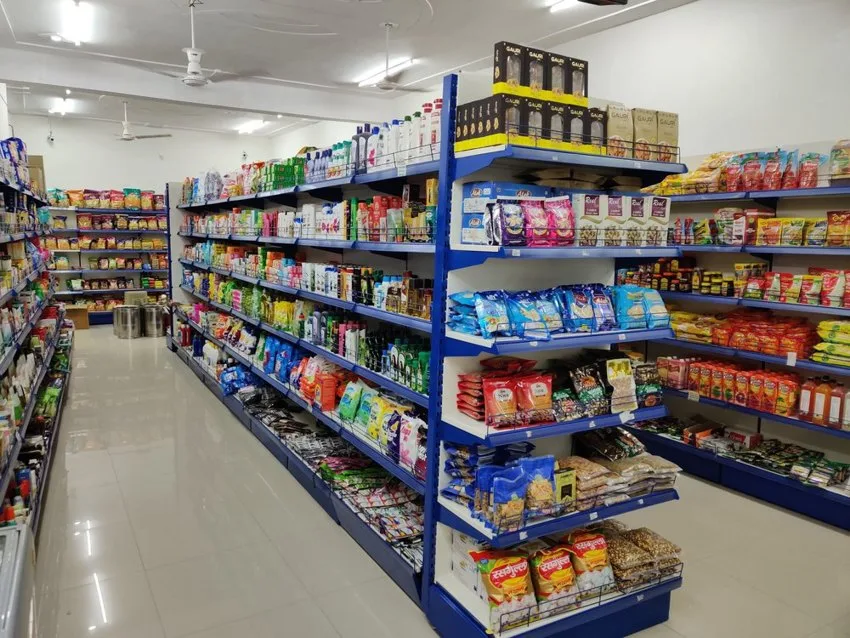
2. Open Shelving Systems: Accessibility and Efficiency
Open shelving is the antithesis of the closed cabinet. It prioritizes visibility and speed. In departments like logistics, creative design, or retail inventory, being able to see exactly what is in stock at a glance is vital for productivity.
The Benefits of Open Storage
- Rapid Retrieval: Without doors to open, team members can grab what they need in seconds.
- Inventory Visibility: It is immediately obvious when supplies are running low, making inventory management significantly easier.
- Versatility: Open shelves can be adjusted to accommodate items of varying heights, from small stationery boxes to large technical manuals.
Best Practices for Open Shelving
To prevent an open shelving system from becoming a disorganized mess, implement a strict labeling protocol. Use clear, color-coded bins to categorize items. This ensures that even in an open-access environment, every item has a "home," preventing the buildup of clutter.
3. Mobile Pedestal Units: The Agile Solution
In the era of flexible seating and hot-desking, mobile pedestal units have become indispensable. These small, wheeled cabinets fit under standard desks and provide employees with personal storage that can move with them.
Why Modern Departments Prefer Mobile Units
- Personal Ownership: Giving employees a secure place to store personal items fosters a sense of comfort and ownership in the workspace.
- Agility: As team structures shift, furniture can be rearranged in minutes without the need for facility maintenance teams.
- Space Efficiency: By utilizing the "dead space" under desks, you maximize the square footage of your office without adding bulk to the walkways.
Key Trends in Departmental Organization for 2024 and Beyond
The landscape of departmental organization is shifting toward sustainability and smart technology. Here are the trends currently shaping how departments choose their storage solutions:
1. The Shift to Sustainable Materials
Departments are increasingly prioritizing eco-friendly storage solutions. This includes shelving made from recycled steel, bamboo cabinetry, and low-VOC (Volatile Organic Compound) finishes that improve indoor air quality. When selecting your departmental furniture, look for certifications like Greenguard to ensure your choices align with corporate sustainability goals.
2. Integration of Smart Locks
The traditional key-and-lock system is being replaced by smart, keyless entry systems. Departments are moving toward RFID or smartphone-enabled lockers, which allow for better tracking of who accessed which storage unit and when. This is particularly useful in shared-space departments where multiple teams may use the same storage resources.
3. Vertical Optimization
As real estate costs rise, departments are looking up. High-density storage systems that utilize vertical wall space are becoming more popular than wide, sprawling units. By installing wall-mounted shelving or floor-to-ceiling cabinetry, departments can double their storage capacity without expanding their physical footprint.
How to Choose the Right Solution for Your Department
Selecting the right organizational tools is a process of evaluating your team’s unique pain points. Follow this simple framework to make your decision:
- Audit Your Assets: Create an inventory of what needs to be stored. Is it paper? Electronic components? Personal belongings?
- Evaluate Accessibility Requirements: Does every team member need constant access to these items, or should access be restricted?
- Assess Your Space: Measure your floor plan. Consider foot traffic patterns and ensure that storage units do not block emergency exits or natural light.
- Consider Future-Proofing: Will your department be expanding in the next two years? If so, choose a modular system that can grow with you rather than a fixed, custom-built unit.
Conclusion: Creating a Culture of Organization
Departmental organization is more than just buying furniture; it is about creating a culture where efficiency is valued. Whether you opt for the secure, sleek look of modular cabinetry, the high-speed accessibility of open shelving, or the flexibility of mobile pedestals, the best solution is the one that minimizes friction in your team’s daily workflow.
By investing time in planning your departmental layout and choosing high-quality, functional storage, you are setting your team up for long-term success. A well-organized department is a clear-headed department, ready to tackle the challenges of the modern business environment with precision and ease.