Educational Toys vs. Entertainment Toys: Choosing the Best Playtime Experience for Your Child
The toy industry has evolved significantly over the past few decades. As parents and gift-givers, we are often faced with a common dilemma: should we prioritize toys that provide pure entertainment, or should we lean toward educational tools designed to stimulate cognitive development? Both categories play a vital role in a child’s upbringing, but understanding their differences is key to creating a balanced play environment.
In this guide, we will break down the fundamental differences between educational and entertainment toys, analyze their impact on child development, and provide a comprehensive comparison to help you make informed purchasing decisions for the children in your life.
Defining the Categories: Educational vs. Entertainment Toys
Before diving into the comparison, it is important to clarify what we mean by these two categories. While the lines often blur, the primary intent behind the design usually dictates the classification.
What are Educational Toys?
Educational toys, often referred to as "STEM" or "developmental" toys, are specifically engineered to teach a particular skill or concept. These toys encourage problem-solving, critical thinking, spatial awareness, and subject-specific knowledge like math, science, or language. They are designed to be "active" playthings that require the child to engage, manipulate, and think through the process.
What are Entertainment Toys?
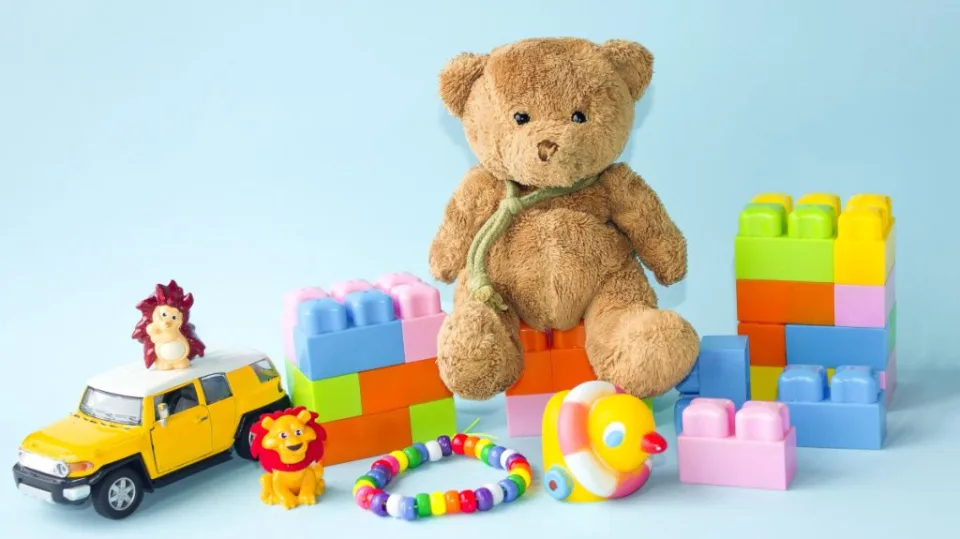
Entertainment toys—or "leisure" toys—are designed primarily for fun, relaxation, and imaginative role-play. While these toys still foster creativity, their primary goal is to provide immediate gratification and enjoyment. Examples include action figures, dolls, plush toys, and electronic gaming devices. They serve as companions or vehicles for storytelling rather than structured learning tools.
Comparative Analysis: Key Factors for Parents
To help you navigate the toy aisle, let’s compare these two categories across five essential metrics that influence child development and parental satisfaction.
| Feature | Educational Toys | Entertainment Toys |
|---|---|---|
| Primary Goal | Skill acquisition & learning | Fun, leisure, & emotional comfort |
| Engagement Level | High (active problem-solving) | Variable (can be passive or creative) |
| Durability | Usually high-quality/long-lasting | Varies widely |
| Social Interaction | Often encourages collaboration | Often encourages role-play/narrative |
| Longevity of Interest | Long-term (as skills progress) | Short-term (fads/trends) |
The Developmental Impact of Educational Toys
Educational toys are often touted by educators and child psychologists for their ability to bridge the gap between play and formal learning. By integrating learning into playtime, these toys remove the "pressure" of schoolwork.
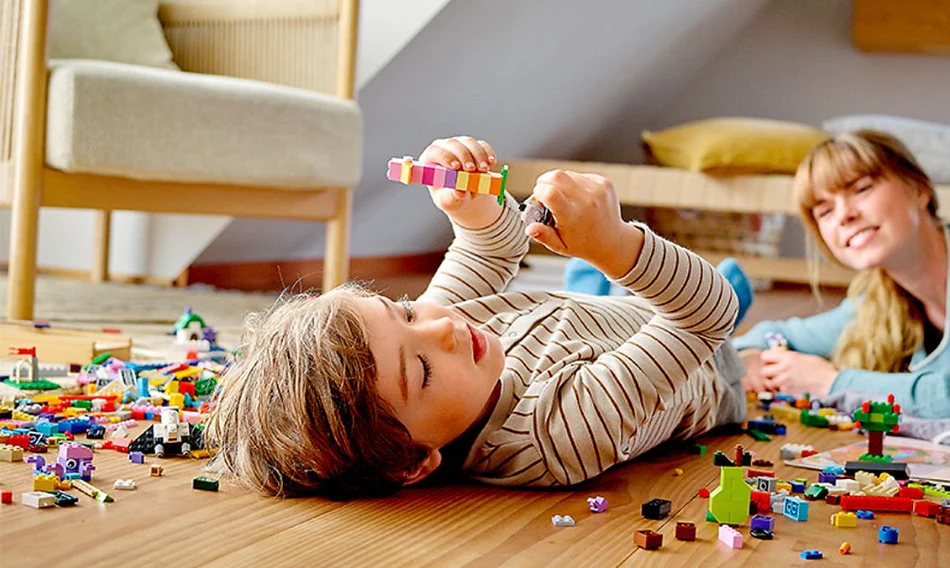
- Cognitive Growth: Puzzles and building blocks help children understand geometry, physics, and cause-and-effect relationships.
- Fine Motor Skills: Manipulating small parts in science kits or construction sets improves hand-eye coordination and dexterity.
- Patience and Persistence: Unlike entertainment toys that offer instant fun, educational toys often require a process. Completing a challenging project provides a sense of achievement that builds self-esteem.
The Role of Entertainment Toys in Emotional Development
While educational toys focus on the "brain," entertainment toys are essential for the "heart." They provide a safe space for children to process emotions, practice social scenarios, and explore their imaginations.
The Power of Imaginative Play
When a child plays with a doll or an action figure, they are not just "playing." They are narrating stories, assigning personalities, and working through complex social situations they have observed in real life. This form of play is crucial for developing empathy and social intelligence.
Stress Relief and Relaxation
Just as adults need downtime, children need toys that don't require them to "think" or "solve." Entertainment toys provide an outlet for stress, allowing children to disconnect and recharge. Over-scheduling a child with only educational toys can lead to burnout, making pure leisure toys a necessary component of a healthy lifestyle.
How to Choose the Right Toy for Your Child’s Age
Choosing the right toy is less about choosing "educational" vs. "entertainment" and more about matching the toy to the child’s current developmental stage. Here is a quick guide to help you select appropriately.
Toddlers (Ages 1–3)
At this age, exploration is the primary form of learning.
- Educational: Look for shape sorters, stacking cups, and chunky puzzles.
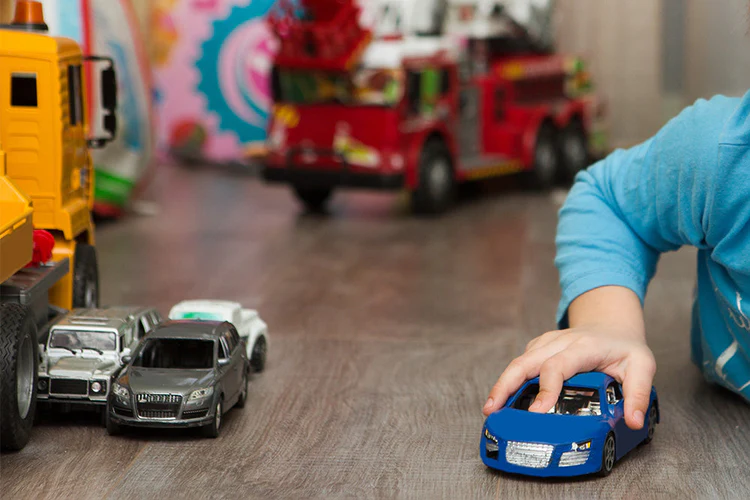
- Entertainment: Soft plush toys and push-along vehicles provide comfort and encourage movement.
Preschoolers (Ages 3–5)
This is the golden age of imagination.
- Educational: Simple board games that teach counting and turn-taking.
- Entertainment: Dress-up costumes and play kitchens allow them to mimic adult life.
School-Aged Children (Ages 6+)
Children at this age are ready for more complex challenges.
- Educational: Coding kits, advanced building sets, and strategy games.
- Entertainment: Collectible figures, card games, and outdoor sports equipment.
Striking the Perfect Balance: The 70/30 Rule
Many experts suggest a "balanced toy diet." While there is no strict scientific ratio, a 70/30 approach is often recommended by child development specialists: 70% of playtime should be spent on toys that encourage active engagement (educational, building, physical play), while 30% can be dedicated to pure entertainment (role-play, leisure, or character-based toys).
This balance ensures that the child is constantly being challenged and learning new skills, while still having the freedom to just be a kid and enjoy the magic of imaginative play.
Tips for Smart Toy Shopping
Regardless of whether you are buying an educational or entertainment toy, keep these tips in mind to ensure you are getting the best value and quality:
1. Focus on "Open-Ended" Play
The best toys are those that can be played with in multiple ways. A set of plain wooden blocks is technically an educational toy, but it also allows for infinite imaginative entertainment. Look for toys that do not dictate exactly how they should be used.
2. Avoid Over-Stimulation
Many modern entertainment toys are packed with flashing lights, loud noises, and pre-programmed responses. These toys can actually limit a child's imagination because the toy is doing all the work. Opt for toys that require the child to provide the sound effects and the story.
3. Quality Over Quantity
A cluttered toy box can lead to "decision paralysis" for a child. It is better to have a few high-quality toys that last for years than a dozen cheap toys that break within a week. When buying, check the material quality and the durability of the construction.
4. Observe Their Interests
The "best" toy is the one the child actually wants to play with. If your child loves dinosaurs, an educational book about paleontology or a high-quality dinosaur figurine will both be well-received. Use their interests as a gateway to introduce new concepts.
Conclusion: Play is a Holistic Experience
The debate between educational and entertainment toys is largely a false dichotomy. In reality, the best play experiences often overlap. A child building a complex structure with plastic bricks is learning engineering (educational) while simultaneously role-playing a construction site (entertainment).
As you curate a toy collection, remember that your goal is to support the child’s holistic development. Prioritize toys that spark curiosity, foster creativity, and allow for emotional expression. By blending structured educational tools with the joy of pure entertainment, you provide a rich, varied environment where a child can learn, grow, and thrive through the universal language of play.
Ultimately, the most important component of any toy is the interaction it fosters. Whether you choose a high-tech science kit or a simple set of dolls, the time you spend playing with the child—asking questions, encouraging stories, and exploring the toy together—is the most valuable educational tool of all.