Minimalism vs. Maximalism: Choosing the Right Home Accessories for Your Living Space
The debate between minimalism and maximalism has dominated interior design conversations for years. As homeowners seek to create environments that reflect their personalities and functional needs, the choice of home accessories becomes the defining factor in how a room feels. Whether you prefer the serene, uncluttered aesthetic of a minimalist sanctuary or the vibrant, storytelling energy of a maximalist haven, understanding how to curate your home accessories is essential for achieving a cohesive look.
In this guide, we will compare these two distinct design philosophies, helping you determine which approach best suits your lifestyle, space, and personal taste. From decorative objects to functional accents, we explore how the right choices can transform your living space.
Understanding Minimalism in Home Accessories
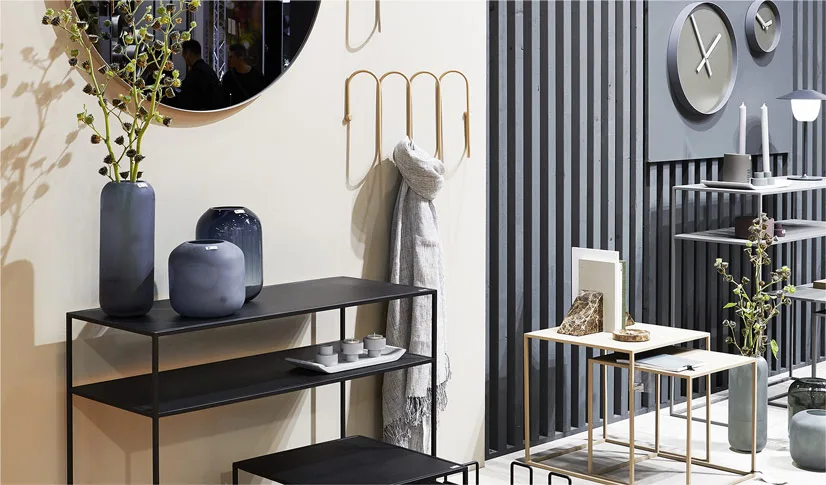
Minimalism is rooted in the philosophy of "less is more." It focuses on intentionality, clean lines, and a neutral color palette. When it comes to home accessories, the minimalist approach is not about having nothing; it is about having only the pieces that serve a purpose or bring genuine joy. Every item is curated with care, ensuring that the space remains breathable and calm.
Key Characteristics of Minimalist Accessories
- Functionality First: Every accessory, from a clock to a vase, usually serves a practical purpose.
- Neutral Tones: Accessories often feature shades of white, beige, grey, or black to maintain visual harmony.
- Geometric Shapes: Clean lines and simple silhouettes are preferred over intricate patterns or ornate carvings.
- Quality over Quantity: Investing in one high-quality sculptural piece is favored over displaying dozens of small trinkets.
Minimalism is ideal for those who feel overwhelmed by clutter and find peace in organized, open spaces. By selecting home accessories that blend seamlessly into the architecture of your room, you create a backdrop of tranquility that helps reduce stress and improve focus.
Embracing Maximalism in Home Accessories
Maximalism is the art of "more is more." It is a bold, expressive style that celebrates color, pattern, and texture. Maximalist home accessories act as a curated collection of a person’s experiences, travels, and interests. Unlike minimalism, which hides away the "noise," maximalism embraces it, turning your living space into a gallery of your life.
Key Characteristics of Maximalist Accessories
- Eclectic Mix: A combination of vintage finds, contemporary art, and sentimental objects.
- Bold Colors and Patterns: Layering textures like velvet, silk, and wood with vibrant, contrasting color schemes.
- Storytelling: Accessories are often chosen for their history or emotional connection rather than just their visual appeal.
- Layering: The use of multiple rugs, gallery walls, and overflowing bookshelves to create depth and warmth.
Maximalism is perfect for those who want their home to feel alive and energetic. It allows for creative freedom and ensures that your home never feels like a sterile showroom, but rather a reflection of your unique personality.
Comparison Table: Minimalism vs. Maximalism
| Feature | Minimalist Accessories | Maximalist Accessories |
|---|---|---|
| Primary Goal | Serenity and Functionality | Expression and Comfort |
| Color Palette | Monochromatic or Neutral | Vibrant, Contrasting, Bold |
| Texture | Smooth, Matte, Uniform | Layered, Tactile, Diverse |
| Visual Impact | Subtle and Calming | Dynamic and Engaging |
| Maintenance | Low (Easy to clean/organize) | High (Requires frequent dusting/rearranging) |
How to Choose the Right Style for Your Space
Choosing between these two approaches depends largely on the size of your home, your daily habits, and how you want your space to make you feel. Here are some factors to consider before you start purchasing home accessories.
Assessing Your Lifestyle
If you have a busy household with children or pets, minimalism might be more practical. Fewer accessories mean fewer items to break or dust, making maintenance significantly easier. On the other hand, if you are a collector or someone who finds comfort in being surrounded by cherished items, a maximalist approach provides a sense of warmth and belonging that minimalism might lack.
The Size of the Room
Small spaces often benefit from minimalist accessories, as they prevent the room from feeling cramped or claustrophobic. However, that does not mean you cannot use maximalist touches in a small room; by focusing on a "gallery wall" or a single statement piece, you can inject personality without overwhelming the floor space.
Blending the Two: The "Curated Eclectic" Approach
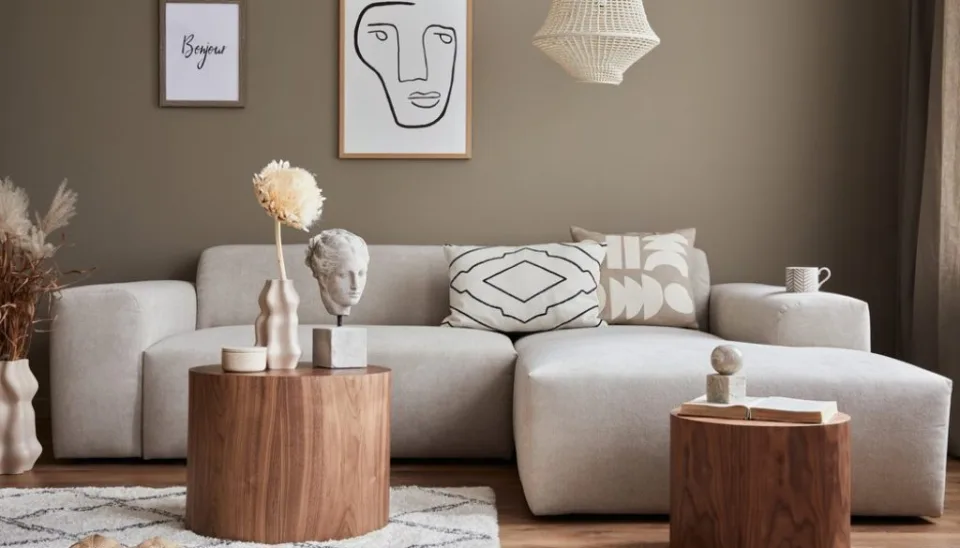
Many homeowners find themselves somewhere in the middle. The "Curated Eclectic" style allows you to incorporate the best of both worlds. You can maintain a minimalist foundation—using neutral furniture and clean wall colors—while introducing maximalist accessories to add character.
Tips for Balancing Styles
- The 80/20 Rule: Keep 80% of your accessories simple and neutral, and use the remaining 20% to showcase bold, maximalist statement pieces.
- Group Items by Theme: If you love collecting, group your accessories on a single shelf or tray. This keeps the rest of the room tidy while allowing you to display your collection.
- Focus on Textures: If you are afraid of using too much color, use texture as your maximalist element. Combine a sleek, minimalist sofa with a chunky knit throw, a silk cushion, and a rustic wooden bowl.
Must-Have Home Accessories for Any Style
Regardless of whether you lean toward minimalism or maximalism, certain categories of home accessories are essential for elevating your space. Here is how to approach these staples in both styles:
Lighting
Lighting is the jewelry of the home. Minimalists should look for architectural floor lamps with matte finishes. Maximalists, however, might opt for ornate chandeliers, stained-glass table lamps, or neon signage to create a dramatic focal point.
Textiles
Throw pillows and blankets are the easiest way to change the vibe of a room. A minimalist will choose high-quality linen or wool in solid colors. A maximalist will layer patterned velvet cushions with fringe details or tribal-print blankets.
Wall Decor
Minimalists often prefer one large, oversized piece of abstract art or a simple mirror to open up the space. Maximalists thrive on gallery walls, incorporating everything from framed photos and postcards to decorative plates and hanging textiles.
Shopping Tips for Home Accessories
When you are ready to shop for your home, keep these professional tips in mind to ensure you make smart investments.
- Measure First: Nothing ruins a room faster than an accessory that is too large or too small for its location. Always measure your surfaces and walls before buying.
- Consider the Lighting: Take note of the natural light in your room. Bright, sunny rooms can handle bolder maximalist colors, while darker rooms might benefit from the reflective surfaces often found in minimalist decor.
- Shop with Intent: Don't buy accessories just to fill a gap. Wait until you find a piece that truly speaks to your aesthetic. This prevents "clutter creep" and ensures you love every item in your home.
- Quality Matters: Even if you are on a budget, try to buy one or two high-quality pieces rather than five cheap ones. A well-made ceramic vase will last for decades, whereas a plastic alternative will likely end up in a landfill within a few years.
The Future of Home Accessories: Trends to Watch
As we move forward, the trends in home accessories are shifting toward sustainability and personalization. Regardless of your style preference, there is a growing emphasis on choosing items that are ethically sourced and environmentally friendly.
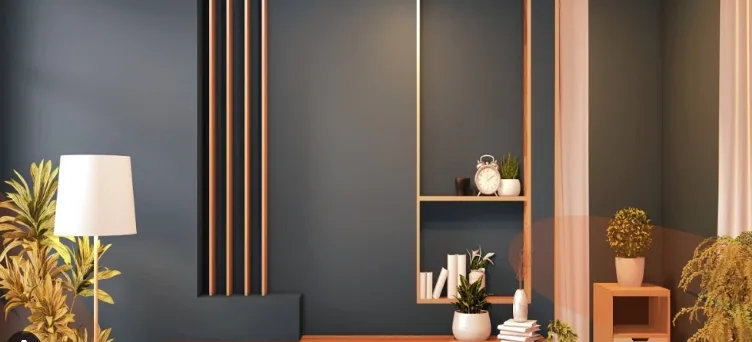
Eco-conscious accessories, such as those made from recycled glass, reclaimed wood, or organic cotton, are becoming staples in both minimalist and maximalist homes. Furthermore, the trend of "biophilic design"—bringing the outdoors in—is universal. Whether it is a single, perfectly placed snake plant in a minimalist pot or a jungle-like collection of hanging ferns in a maximalist corner, greenery remains the most versatile accessory for any home.
Conclusion: Creating a Home That Reflects You
Ultimately, the choice between minimalism and maximalism is not about following strict rules; it is about creating a living space that supports your well-being. Minimalism offers a path to clarity and peace, while maximalism offers a path to joy and creative expression. By understanding the core principles of each and learning how to select and arrange your home accessories, you can curate a space that feels both functional and deeply personal.
Remember that your home is a living, breathing entity. Your style may evolve over time, and that is perfectly acceptable. Start with a few key pieces, experiment with different arrangements, and don't be afraid to curate your accessories as your life changes. Whether you choose to pare down to the essentials or fill your shelves with treasures, the most important accessory in any home is the comfort you feel when you walk through the door.