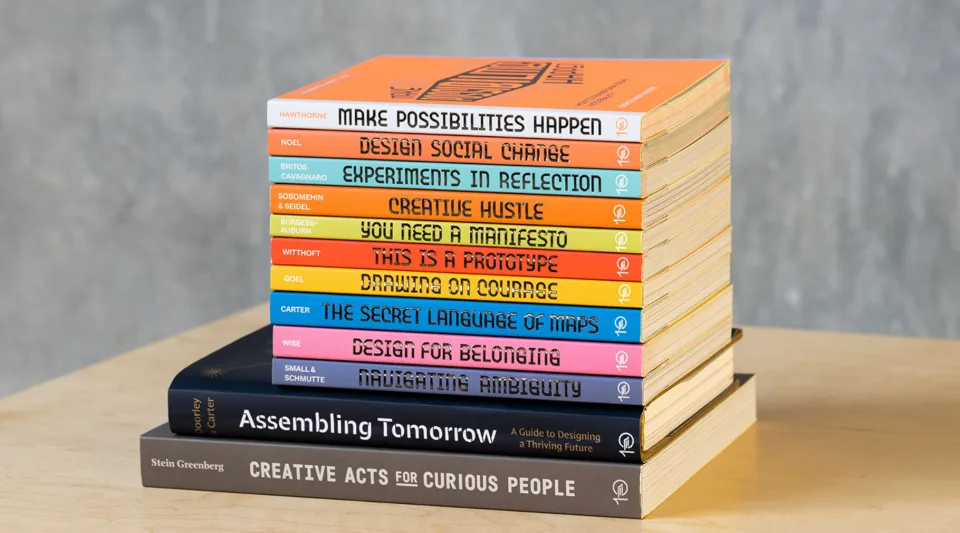
Physical Books vs. E-books vs. Audiobooks: Which Reading Format Reigns Supreme?
In the digital age, the way we consume literature has undergone a seismic shift. For centuries, the printed page was the sole vessel for stories and information. Today, readers are spoiled for choice, navigating a landscape dominated by physical books, e-books, and audiobooks. Whether you are a casual reader or a dedicated bibliophile, choosing the right format can significantly impact your reading speed, retention, and overall enjoyment.
This comprehensive guide explores the unique advantages and drawbacks of each format to help you decide which one best fits your lifestyle, reading goals, and preferences.
The Timeless Appeal of Physical Books
For many, the physical book remains the gold standard of reading. There is an undeniable sensory experience associated with holding a book, turning the pages, and smelling the paper. Beyond the nostalgia, physical books offer distinct cognitive and practical benefits.
The Cognitive Advantage of Print
Research suggests that reading on paper can improve memory retention and focus. When you read a physical book, your brain creates a "mental map" of the text, noting the physical location of information on the page. This spatial anchoring helps readers remember plot points and arguments more effectively than when scrolling through a digital screen.
A Digital Detox Tool
In a world where we are constantly tethered to smartphones and laptops, physical books provide a necessary escape. They are inherently "offline," allowing readers to disconnect from notifications, blue light, and the temptation to multitask. For those struggling with digital fatigue, a physical book is the perfect companion for a relaxing evening.
Collectibility and Aesthetics
Bookshelves are often the centerpiece of a home. Physical books serve as decor, personal archives, and conversation starters. The joy of building a personal library is a unique reward that digital formats simply cannot replicate.
The Convenience of E-books
E-books revolutionized the industry by making thousands of titles accessible in a device no thicker than a notepad. For the modern reader on the go, e-readers offer unparalleled utility.
Portability and Capacity
The primary advantage of an e-reader is space. You can carry an entire library in your bag, making it the ideal format for commuters, travelers, and students. No longer do you have to choose which book to pack for a vacation; you can bring them all.
Customization and Accessibility
E-readers offer features that physical books cannot match. Readers can adjust font sizes, change typefaces for better readability, and even toggle between light and dark modes. For individuals with visual impairments or dyslexia, e-books provide accessibility tools that make reading more inclusive and enjoyable.
Instant Gratification
The ability to purchase and download a book in seconds means that your next read is always just a click away. This eliminates the wait time associated with shipping or the need to travel to a bookstore.
The Immersive Experience of Audiobooks
Audiobooks are the fastest-growing segment in the publishing industry. They have transformed reading from a stationary activity into a multitasking experience, allowing literature to fit into the busiest of schedules.
Reading on the Move
The greatest strength of the audiobook is its versatility. You can "read" while driving, exercising, cooking, or doing household chores. For people who feel they "don't have time to read," audiobooks are the solution that bridges the gap between a busy life and a love for stories.
The Power of Performance
A well-produced audiobook is more than just a recording; it is a performance. Professional narrators bring characters to life with unique voices, accents, and emotional nuance. For genres like memoirs, thrillers, and epic fantasy, a skilled narrator can elevate the source material to new heights.
Accessibility for All
Audiobooks are a vital resource for those who find traditional reading physically taxing, such as individuals with chronic eye strain, fatigue, or specific learning disabilities. They provide a gateway to literature that bypasses the visual barriers of text.
Comparison Summary: Which Format Should You Choose?
To help you weigh your options, consider the following comparison table based on common reader priorities:
| Feature | Physical Books | E-books | Audiobooks |
|---|---|---|---|
| Portability | Low | High | High |
| Focus/Retention | High | Moderate | Moderate |
| Accessibility | Moderate | High | Very High |
| Cost (Long-term) | Moderate | Low | Variable |
| Multitasking | No | No | Yes |
How to Choose the Right Format for Your Needs
Choosing between these formats doesn't have to be an "all or nothing" decision. Many avid readers adopt a hybrid approach, using different formats depending on the context.
1. Match the Format to the Genre
Certain books thrive in specific formats. For instance, textbooks, cookbooks, or art-heavy volumes are best enjoyed in physical form for easy referencing. Fast-paced thrillers or long-form biographies are excellent candidates for audiobooks, as the narrative drive keeps you engaged while you multitask. E-books are perfect for fiction series or light reading while commuting.
2. Consider Your Environment
If you are trying to wind down before bed, avoid screens and reach for a physical book. If you are stuck in traffic or performing a repetitive task at work, an audiobook can turn a mundane hour into an intellectual adventure.
3. Evaluate Your Goals
If your goal is to study or deeply analyze a complex subject, the physical book is your best ally. The ability to annotate, highlight, and flip back and forth between pages aids in deep comprehension. If your goal is to increase the volume of books you finish in a year, audiobooks are your best bet for maximizing your "reading" time.
The Future of Reading: Trends to Watch
The debate between formats is evolving as technology advances. We are seeing a rise in "hybrid reading," where readers use apps that allow them to switch seamlessly between text and audio versions of the same book. This ensures that the reading experience is never interrupted, whether you are sitting on the couch or heading out for a run.
Furthermore, independent publishing has made it easier than ever for niche voices to reach audiences across all three formats. As production costs for audiobooks decrease and e-reader technology becomes more sophisticated, the barriers to entry for readers continue to drop.
Conclusion: The Best Format is the One You Use
Ultimately, there is no "superior" format. The physical book offers a tactile, focused experience; the e-book provides unparalleled convenience and accessibility; and the audiobook brings stories into the active flow of our daily lives. The true value lies in the content itself—the ideas, the emotions, and the knowledge contained within the pages, whether they are made of paper, pixels, or sound waves.
The best way to become a more consistent reader is to experiment with all three. By understanding the unique strengths of each, you can curate a reading habit that is as flexible and diverse as the books you choose to consume. So, pick up that hardcover, download that e-book, or press play on your next audiobook—the most important thing is simply to keep reading.