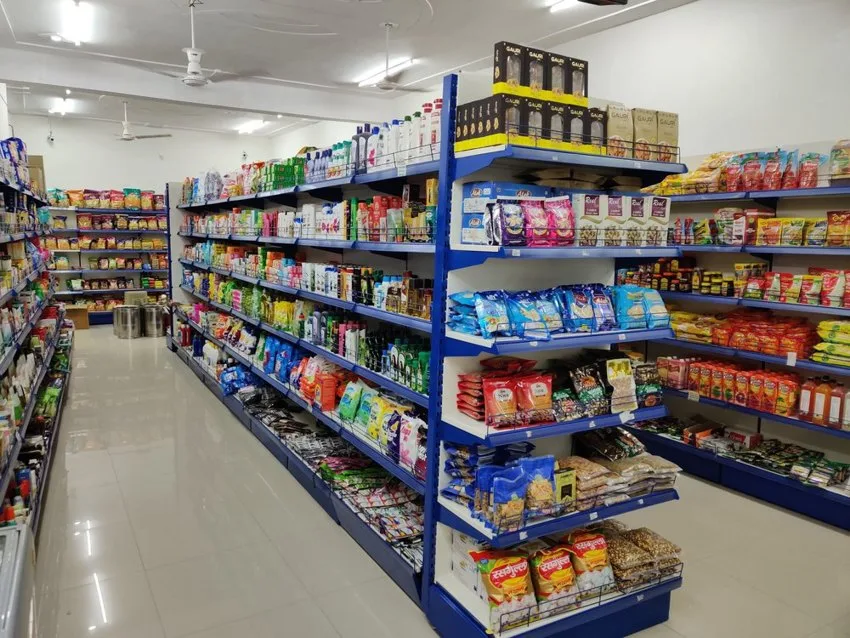
The Ultimate Departmental Buying Guide: How to Select High-Quality Essentials for Every Category
Navigating a large departmental store or browsing extensive online catalogs can be an overwhelming experience. With thousands of products spanning home goods, electronics, apparel, and kitchenware, knowing how to distinguish quality from hype is essential. Whether you are furnishing a new home, upgrading your workspace, or simply looking for reliable everyday essentials, having a strategic approach to departmental shopping will save you time, money, and frustration.
This comprehensive guide provides a roadmap for making informed purchasing decisions across the most popular departmental categories. By understanding the core criteria for quality and utility, you can transform your shopping experience from a chaotic chore into an efficient, value-driven process.
Understanding the Departmental Shopping Strategy
Before diving into specific product categories, it is vital to establish a baseline for what constitutes a "good" purchase. Regardless of the department, three pillars remain constant: Durability, Functionality, and Value.
- Durability: Does the material hold up to daily wear and tear? Look for reinforced stitching in apparel, heavy-duty hinges in furniture, and high-grade plastics or metals in appliances.
- Functionality: Does the product solve a specific problem, or is it merely decorative? Prioritize items that integrate seamlessly into your existing lifestyle.
- Value: Value is not just about the lowest price; it is about the cost-per-use. A slightly more expensive item that lasts five years is always a better investment than a cheap item that fails after three months.
Home & Kitchen: Selecting Long-Lasting Essentials
The Home & Kitchen department is often the most significant investment area for any household. When purchasing items that you use daily, quality is non-negotiable.
Cookware and Utensils
When selecting cookware, consider the material’s heat conductivity. Stainless steel is renowned for its longevity and non-reactive surface, while cast iron offers unparalleled heat retention. Avoid "non-stick" sets that look impressive but lose their coating within a year. Instead, opt for individual pieces that serve a specific purpose, such as a heavy-bottomed skillet or a multi-ply stockpot.
Textiles and Bedding
Thread count is often a marketing gimmick. Instead of focusing solely on numbers, prioritize the material type. Long-staple cotton, linen, or bamboo-derived fabrics offer better breathability and softness over time. Always check the stitching quality; loose threads are often a precursor to fraying after the first wash.
Electronics and Home Office Gear
The electronics department is where technological trends move the fastest. The key here is to balance "future-proofing" with current needs.
| Category | Key Buying Criteria | What to Avoid |
|---|---|---|
| Home Office Furniture | Ergonomics, adjustable height, material breathability | "Gaming" chairs with non-adjustable lumbar support |
| Small Appliances | Repairability, warranty length, wattage | Overly complex digital interfaces prone to glitches |
| Lighting | Color temperature (Kelvin), lumen output, energy rating | Non-replaceable LED bulbs |
When buying office equipment, prioritize ergonomics. An adjustable chair or a monitor stand that promotes good posture will pay dividends in your physical health, far outweighing the cost of the item itself.
Apparel and Soft Goods: Quality Over Quantity
In the apparel department, the shift toward "fast fashion" has made it harder to find high-quality garments. To build a sustainable wardrobe, you must learn to read labels and inspect construction.
The Fabric Test
Natural fibers like wool, cotton, and linen generally outperform synthetic blends in terms of longevity and skin comfort. When inspecting a garment, hold it up to the light. If the fabric is overly thin or translucent, it is likely to develop holes or lose its shape quickly. Check for reinforced seams—areas like the armpits and crotch should have double stitching.
Fit and Versatility
A high-quality garment is one that fits your body correctly without requiring constant adjustment. Before purchasing, consider the "Rule of Three": can you style this item in at least three different ways with clothing you already own? If not, it may be a impulsive purchase that will gather dust in your closet.
Navigating Seasonal Sales and Departmental Trends
Departmental stores operate on a cyclical calendar. Understanding this cycle allows you to maximize your budget.
- End-of-Season Clearance: The best time to buy home decor, outdoor furniture, and seasonal apparel is immediately after the season ends.
- New Model Releases: Electronics departments typically discount older models when new versions are announced. If you don't need the absolute latest features, the previous year’s model often offers the best price-to-performance ratio.
- Holiday Promotions: While major holidays offer significant discounts, be wary of "special" holiday-only products, which are often manufactured with lower-quality materials specifically for sale events.
The Importance of Return Policies and Warranties
Even the most diligent shoppers occasionally make mistakes. A robust return policy is your safety net. Before finalizing any purchase in a large department, ask yourself these three questions:
- What is the window for returns, and are there restocking fees?
- Does the product come with a manufacturer’s warranty, or is it a third-party protection plan?
- Is the store known for hassle-free returns, or will it require significant effort to get a refund?
Avoid purchasing high-ticket items from retailers that have restrictive return policies unless you are 100% certain of the product's suitability. For electronics and appliances, a manufacturer’s warranty is usually superior to store-offered protection plans, which often overlap with existing coverage.
Conclusion: Becoming a Savvy Consumer
Shopping across various departments doesn't have to be a gamble. By focusing on the fundamentals—material quality, ergonomic design, and long-term utility—you can curate a collection of products that enhance your life rather than cluttering your space. Remember that the best purchases are those that integrate into your routine seamlessly and withstand the test of time.
As you navigate your next shopping trip, take a step back from the bright lights and aggressive marketing. Evaluate each item based on its construction and your genuine need for it. By applying these departmental buying principles, you will not only save money in the long run but also find greater satisfaction in the items you bring into your home.