The Ultimate Guide to Choosing Home Accessories: Elevating Your Living Space
Your home is a reflection of your personality, your experiences, and your aspirations. While furniture provides the functional skeleton of a room, home accessories are the soul. They are the finishing touches that transform a sterile house into a warm, inviting home. However, the world of home decor can be overwhelming. With thousands of styles, textures, and trends, how do you curate a space that feels cohesive rather than cluttered?
This comprehensive guide will walk you through the art of selecting home accessories, helping you understand how to balance aesthetics, functionality, and personal expression to create a home that truly feels like your own.
Understanding the Role of Home Accessories
Home accessories are decorative items that add character to a room. They include everything from throw pillows and rugs to wall art, mirrors, lighting fixtures, and tabletop decor. Unlike furniture, which is often a long-term investment, accessories allow you to refresh your space easily and affordably as your taste evolves or as seasons change.
The primary functions of home accessories are to:
- Add Texture and Depth: Mixing materials like velvet, linen, wood, and metal prevents a room from looking one-dimensional.
- Introduce Color: Accessories are the perfect way to experiment with bold hues without committing to a permanent paint job.
- Reflect Personal Style: Whether you love minimalism, bohemian vibes, or industrial chic, your choice of decor tells your story.
- Improve Functionality: Many accessories, such as storage baskets or task lighting, serve a practical purpose while looking beautiful.
Essential Categories of Home Accessories
To master home styling, it helps to categorize your accessories. Here is a breakdown of the key categories you should consider when decorating any room:
1. Textiles and Soft Furnishings
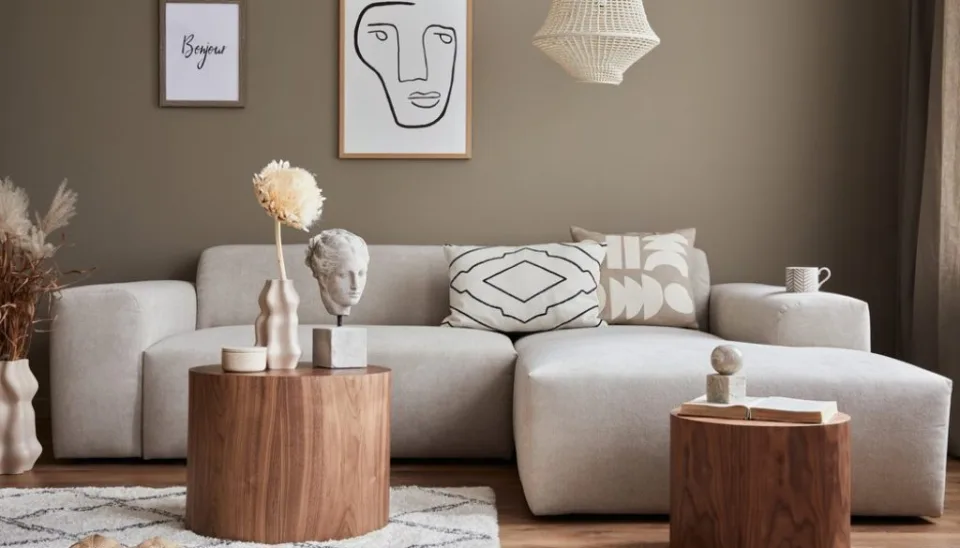
Textiles are the easiest way to make a room feel cozy. Think of throw blankets, decorative pillows, area rugs, and curtains. They soften hard edges and provide comfort.
2. Wall Decor
Your walls are your canvas. Whether you prefer gallery walls, large statement mirrors, or framed prints, wall art sets the tone for the entire room’s atmosphere.
3. Lighting Fixtures
Lighting is the most important element of interior design. Beyond the main ceiling light, consider table lamps, floor lamps, and even decorative candles to create layers of ambient light.
4. Tabletop and Shelf Decor
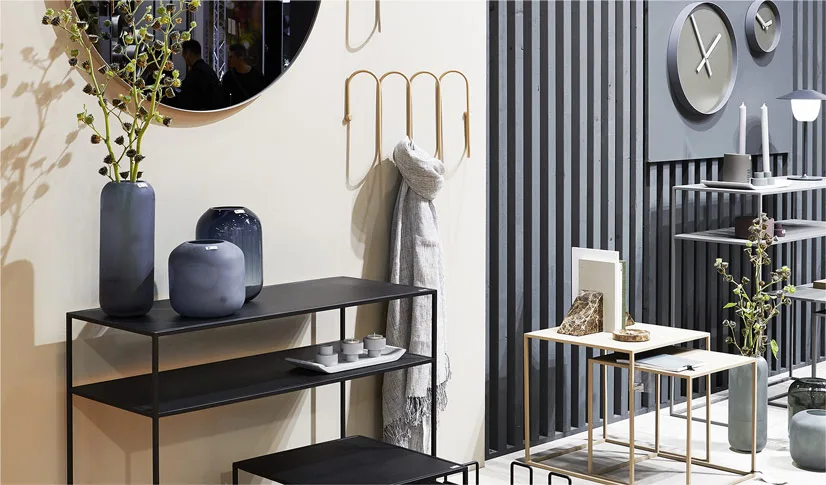
This includes vases, sculptures, books, trays, and small trinkets. These items are the "jewelry" of your home—they add those small, intricate details that guests notice upon closer inspection.
How to Choose the Right Accessories: A Strategic Approach
Buying home accessories without a plan often leads to a cluttered space. Follow this step-by-step strategy to ensure every piece you buy serves a purpose.
Define Your Style Palette
Before you shop, identify your preferred design style. Are you drawn to the clean lines of Scandinavian design, the rustic charm of Farmhouse, or the sleek edges of Modern Mid-Century? Sticking to a consistent theme helps ensure that your accessories feel intentional.
The Rule of Three
When arranging accessories, the "Rule of Three" is a designer’s secret weapon. Items arranged in odd numbers—especially three—are more visually appealing and balanced. For example, when styling a coffee table, try grouping a tray, a candle, and a small stack of books.
Consider Scale and Proportion
One of the most common mistakes is choosing accessories that are too small for the space. A tiny picture frame on a massive wall will look lost. Conversely, an oversized floor lamp in a cramped corner will overwhelm the room. Always measure your space and choose items that respect the scale of your furniture.
Comparing Home Accessory Materials
The material of your accessories dictates the "vibe" of the room. Use the table below to decide which materials align with your desired aesthetic.
| Material | Best For | Design Aesthetic |
|---|---|---|
| Natural Wood | Shelving, frames, bowls | Rustic, Farmhouse, Scandinavian |
| Brass/Gold Metal | Lighting, mirrors, hardware | Glam, Modern, Transitional |
| Glass/Acrylic | Vases, coffee tables, art | Minimalist, Contemporary |
| Woven Fibers (Jute, Rattan) | Baskets, rugs, lighting | Bohemian, Coastal, Organic |
| Ceramics/Stone | Planters, sculptures, trays | Artisanal, Japandi, Earthy |
Tips for Seasonal Refreshing
You don’t need to renovate your home every year to keep it feeling fresh. Home accessories are designed to be swapped out. Here is how to rotate your decor with the seasons:
- Spring: Bring in lighter fabrics like linen, floral arrangements, and pastel color palettes to signify renewal.
- Summer: Opt for breathable textures like rattan and jute. Incorporate bright, airy colors and botanical prints.
- Autumn: Transition to heavier textures like wool or velvet. Introduce warm, earthy tones like burnt orange, mustard, and deep browns.
- Winter: Focus on coziness. Add chunky knit blankets, metallic accents that reflect candlelight, and darker, moodier color schemes.
Common Mistakes to Avoid
Even seasoned decorators can fall into traps. Avoid these pitfalls to keep your home looking polished:
- Over-accessorizing: Too many items create visual noise. If a surface feels cluttered, remove half of the items. Remember, empty space (negative space) is just as important as the decor itself.
- Matching Everything: Avoid buying "sets" (e.g., a matching lamp, clock, and frame). It makes a home look like a showroom catalog. Mix and match textures and eras for a more curated, authentic look.
- Ignoring Lighting: Never place an accessory in a dark corner where it cannot be seen. Use accent lighting to highlight your favorite pieces.
- Forgetting Utility: If an accessory serves no purpose and doesn't bring you joy, it might be clutter. Aim for a balance of beauty and utility.
The Impact of Lighting on Your Decor
Your choice of home accessories can be completely transformed by how you light them. Ambient light is general, but accent lighting is what makes your decor pop. Consider installing picture lights above artwork or using spotlights to highlight a bookshelf display. Warm light (2700K-3000K) is generally best for living areas, as it creates a welcoming and cozy atmosphere, making your accessories look more inviting.
Sustainable and Conscious Buying
As we become more aware of our environmental footprint, consider the lifecycle of your home accessories. Look for:
- Quality over Quantity: Invest in one high-quality piece that will last for years rather than five cheap items that will end up in a landfill.
- Natural Materials: Choose items made from renewable resources like bamboo, wool, or recycled glass.
- Second-hand Finds: Vintage shops and thrift stores are treasure troves for unique accessories that add history and character to your home.
Conclusion: Crafting Your Sanctuary
Choosing home accessories is a journey, not a destination. It is about discovering what brings you joy and finding ways to integrate those elements into your daily life. Whether it’s a hand-woven rug that reminds you of a trip abroad or a sleek, modern vase that anchors your dining table, each piece should contribute to a cohesive vision.
Start small. Focus on one room at a time, observe how the light changes throughout the day, and don't be afraid to move things around until they feel right. Your home is a living space, and by carefully selecting accessories that reflect your values and style, you create a sanctuary that supports your well-being and welcomes those you love.
Remember, the most beautiful homes aren't those that look like a magazine cover—they are the ones that feel like you. Take your time, experiment with textures, honor your personal taste, and enjoy the process of making your space truly your own.