The Ultimate Guide to Choosing Home Accessories: Elevating Your Living Space
Your home is more than just a physical structure; it is a reflection of your personality, a sanctuary from the outside world, and the backdrop for your most cherished memories. While furniture provides the foundation of a room, it is the home accessories that breathe life into the space. From textiles and lighting to decorative accents and wall art, these finishing touches define the mood and functionality of your interior design.
However, navigating the vast world of home decor can be overwhelming. Without a clear strategy, it is easy to end up with a cluttered, mismatched space. This comprehensive guide will walk you through the art of selecting home accessories, helping you curate a home that feels cohesive, intentional, and uniquely yours.
Understanding the Role of Home Accessories
Before you start shopping, it is essential to understand what home accessories actually do. They serve two primary purposes: functional and aesthetic. A well-designed space balances both.
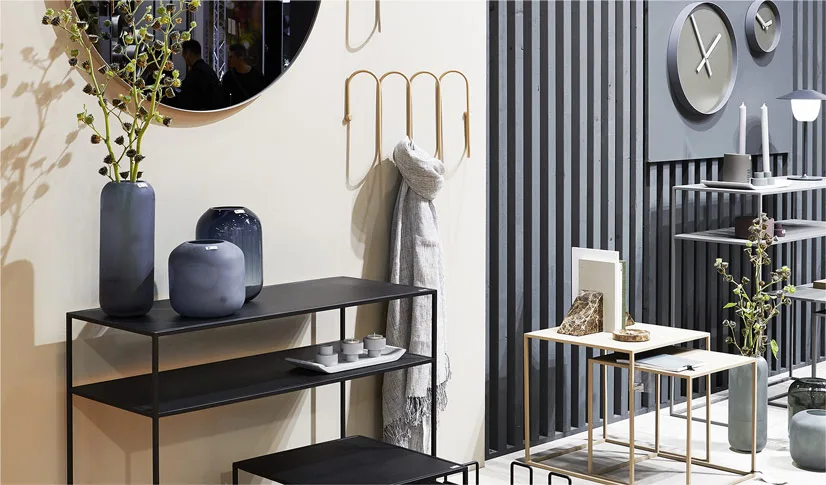
- Functional Accessories: These items serve a purpose beyond decoration. Examples include storage baskets, mirrors, lamps, clocks, and rugs. They solve problems while adding style.
- Aesthetic Accessories: These are purely for visual interest. Examples include sculptures, picture frames, vases, and decorative bowls. They add personality, texture, and color to a room.
The goal is to integrate these pieces so that they don't just occupy space but enhance the overall flow and utility of your home.
Key Factors to Consider Before Buying
To avoid impulsive purchases that don't fit, consider these four pillars before adding anything to your shopping cart:
1. Define Your Design Style
Are you drawn to the clean lines of Minimalism, the warmth of Scandi-chic, the richness of Bohemian decor, or the elegance of Mid-Century Modern? Your accessories should align with your overarching theme. For instance, a rustic wooden bowl might look out of place in an ultra-modern, industrial-style apartment.
2. The Rule of Proportion and Scale
One of the most common mistakes is choosing accessories that are too small or too large for the space. A tiny piece of art on a large, empty wall will look lost, while an oversized floor lamp in a cramped corner can make the room feel claustrophobic. Always measure your space and the surface area where the item will sit.
3. Color Palette and Cohesion
You don't need to match everything perfectly, but you do need a color palette. A good rule of thumb is the 60-30-10 rule: 60% of the room is your primary color, 30% is your secondary color, and 10% is your accent color. Use your home accessories to introduce that 10% accent color to make the room pop.
4. Texture and Materiality
A room can feel flat if everything has the same texture. To create depth, mix materials. If you have a sleek leather sofa, add a chunky knit throw blanket or a velvet cushion. If you have a wooden dining table, incorporate metallic or glass accessories to create contrast.
Essential Home Accessories Checklist by Room
Every room has different needs. Here is a breakdown of essential accessories to help you prioritize your shopping list.
| Room | Must-Have Accessories | Design Tip |
|---|---|---|
| Living Room | Throw pillows, rugs, floor lamps, wall art | Layer your lighting for a cozy ambiance. |
| Bedroom | Bedding textiles, bedside lamps, mirrors | Focus on soft textures to promote relaxation. |
| Kitchen/Dining | Serving trays, fruit bowls, table runners | Keep countertops clear; use decorative canisters for storage. |
| Bathroom | Storage baskets, soap dispensers, plants | Use plants to add a spa-like, organic feel. |
Top Trends in Home Accessories for 2024 and Beyond
Trends come and go, but some movements are shaping how we live in our homes right now. Keeping these in mind can help your space feel current:
Sustainable and Natural Materials
Eco-consciousness is at the forefront of interior design. Think rattan, bamboo, reclaimed wood, organic cotton, and linen. These materials bring a sense of calm and connection to nature, which is highly sought after in modern living.
Biophilic Decor
Bringing the outdoors in is more than just a trend; it is a lifestyle. Beyond just houseplants, look for accessories that feature botanical patterns, earth tones, and organic shapes that mimic those found in the natural world.
Curated Maximalism
While minimalism remains popular, there is a growing trend toward "curated maximalism." This involves displaying items that have personal meaning—travel souvenirs, vintage finds, and heirloom pieces—arranged in a thoughtful, organized way rather than just piling things up.
How to Style Your Accessories Like a Pro
Buying the right items is only half the battle. Knowing how to style them is where the magic happens. Follow these professional techniques:
The Rule of Three
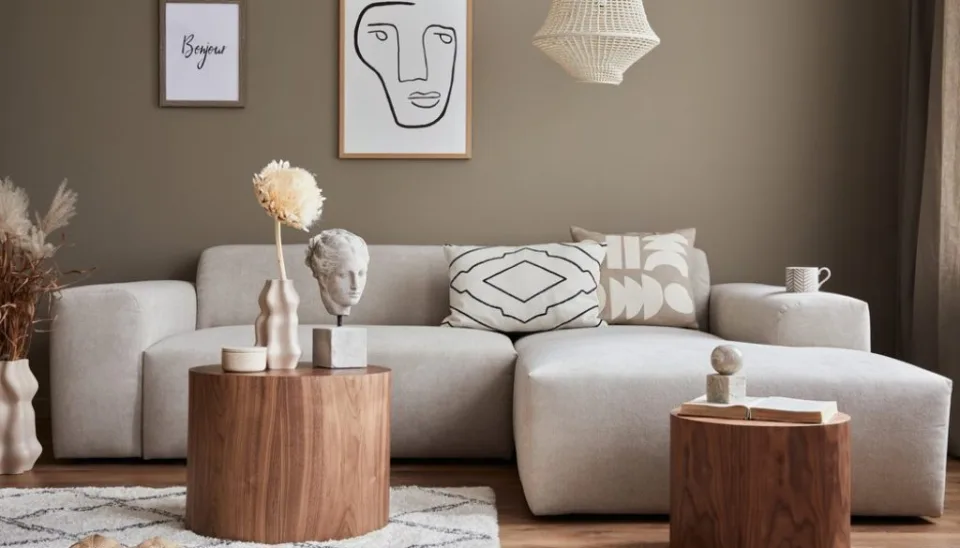
Odd numbers are visually more appealing to the human eye. When grouping accessories on a coffee table or a bookshelf, arrange them in threes. Vary the height, shape, and texture of the items to create visual interest. For example, a tall vase, a medium-sized candle, and a small decorative object make for a perfect grouping.
Create Focal Points
Don't scatter your accessories evenly across every surface. Instead, create "vignettes" or focal points. A curated tray on an ottoman or a styled console table near the entryway draws the eye and makes a statement.
Negative Space Matters
Do not feel the need to fill every corner. Negative space—the empty areas on a shelf or wall—allows your eyes to rest and makes the pieces you have chosen stand out more effectively. If a surface feels cluttered, remove one or two items; often, less is more.
Budgeting for Home Accessories
You don't need to break the bank to elevate your home. The key is to allocate your budget strategically.
- Invest in Statement Pieces: Spend more on items that will last a lifetime and define the room, such as a high-quality area rug or a unique piece of art.
- Save on Trends: For smaller, trend-driven items like cushion covers, seasonal decor, or small trinkets, look for affordable options. These can be swapped out easily when your taste changes.
- DIY and Upcycling: Sometimes the best accessories are the ones you create or repurpose. A coat of paint on an old picture frame or a unique display of found objects can add more character than expensive store-bought items.
Maintaining Your Home Accessories
To keep your home looking its best, maintenance is key. Dust regularly, especially on open shelving and decorative objects. Rotate your accessories seasonally; for instance, switch out heavier, darker textiles in the winter for lighter, brighter ones in the summer. This not only keeps your home feeling fresh but also helps you rediscover items you may have forgotten about.
Conclusion: The Personal Touch
Ultimately, the best home accessories are the ones that tell your story. Whether it is a framed photo from a trip to Italy, a handmade ceramic vase, or a cozy blanket inherited from a grandparent, these items turn a house into a home. Do not be afraid to experiment, move things around, and let your decor evolve alongside you.
By following these guidelines—considering function, proportion, color, and personal style—you can confidently select home accessories that transform your living space into a beautiful, functional, and deeply personal environment. Start small, focus on quality over quantity, and most importantly, have fun with the process of making your home a true reflection of yourself.