The Ultimate Guide to Choosing Home Accessories: Elevating Your Living Space
Your home is more than just a place to sleep; it is a canvas that reflects your personality, values, and lifestyle. While furniture provides the structural foundation of a room, it is the home accessories that breathe life into the space. From textiles and lighting to decorative accents and wall art, the right accessories can transform a sterile environment into a cozy, functional, and aesthetically pleasing sanctuary.
However, the sheer volume of options in the world of home decor can be overwhelming. Without a clear strategy, it is easy to end up with a cluttered, mismatched space. This comprehensive guide will walk you through the essential principles of selecting home accessories, helping you curate a home that feels both intentional and personal.
Understanding the Role of Home Accessories
Before you start purchasing items, it is important to understand what home accessories actually do. They serve three primary functions: utility, aesthetics, and emotional comfort. Effective interior design balances these three elements seamlessly.
- Utility: These are accessories that serve a practical purpose, such as storage baskets, desk organizers, or floor lamps. They help keep your home functional while adding style.
- Aesthetics: These items are primarily visual, designed to bridge gaps in a room's design, introduce color, or add texture. Examples include vases, sculptures, and wall hangings.
- Emotional Comfort: Accessories like plush throw blankets, scented candles, or family photographs create a sense of belonging and warmth, making a house feel like a home.
Step-by-Step Guide to Curating Your Space
To avoid the "clutter trap," follow this step-by-step approach when shopping for home accessories.
1. Define Your Design Style
Before buying a single item, identify your design preference. Are you drawn to the clean lines of Minimalism, the warmth of Scandi-style, the ornate details of Traditional design, or the raw edges of Industrial decor? Knowing your style acts as a filter, preventing you from buying items that don't belong in your overall vision.
2. Analyze the "Empty Space"
Look at your room as a whole. Where does the eye travel? If a corner feels "heavy" because of a large sofa, balance it with a light, airy floor lamp or a tall plant. Accessories should be used to create balance and symmetry, not to fill every available square inch of surface area.
3. Master the Rule of Three
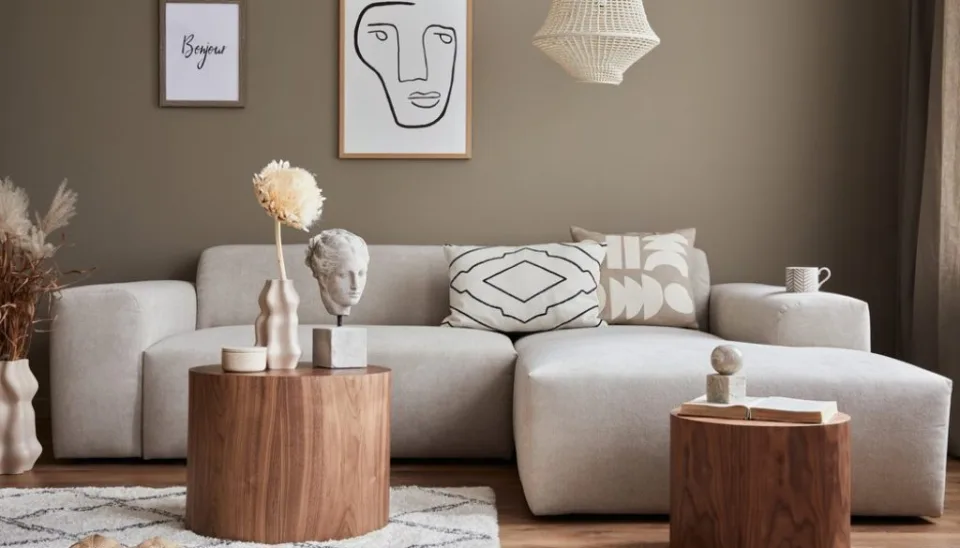
In interior design, the "Rule of Three" is a golden principle. Objects arranged in odd numbers—especially three—are more visually appealing and memorable. Whether you are styling a coffee table or a bookshelf, grouping items of varying heights and textures in sets of three creates a dynamic and professional look.
Must-Have Home Accessories: A Categorized Overview
To help you navigate the vast market of home decor, we have categorized the most essential items and what to look for when buying them.
| Category | Purpose | Key Buying Tip |
|---|---|---|
| Textiles | Add warmth, comfort, and color. | Prioritize natural fibers like linen, wool, or cotton for longevity. |
| Lighting | Set the mood and provide task illumination. | Layer your lighting: combine ambient, task, and accent lights. |
| Wall Decor | Define the room’s focal point. | Ensure art is hung at eye level; avoid "floating" art too high. |
| Storage & Organization | Reduce visual noise and clutter. | Choose containers that match your decor style (e.g., woven for boho, metal for industrial). |
Deep Dive: Selecting the Right Textiles
Textiles are the easiest way to refresh a room without a major renovation. When shopping for throw pillows, rugs, or blankets, consider the "tactile experience." A room that looks beautiful but feels uncomfortable to touch will never feel like a true home.
When selecting rugs, ensure the size is appropriate. A common mistake is buying a rug that is too small, which makes the furniture look like it is "floating." Aim for a size where at least the front legs of your furniture sit on the rug to anchor the seating area.
The Importance of Lighting as an Accessory
Lighting is often the most overlooked home accessory. A single overhead light can make a room feel clinical. Instead, think of lighting as a layered accessory. Use table lamps to create pools of soft light, floor lamps to highlight corners, and decorative lanterns or string lights to add a touch of whimsy. When buying lighting fixtures, consider the color temperature of the bulbs—warm white (2700K-3000K) is generally best for living areas and bedrooms.
Navigating Trends vs. Timelessness
It is tempting to follow the latest interior design trends seen on social media. However, home accessories are an investment. To ensure your space stays relevant, follow the 80/20 rule:
- 80% Timeless Pieces: Invest in high-quality, neutral-colored accessories that will not go out of style, such as ceramic vases, solid-colored throws, or classic metal picture frames.
- 20% Trendy Accents: Use the remaining budget for "of-the-moment" pieces, such as a neon-colored cushion, a quirky sculptural piece, or seasonal wall art. These are easy to swap out when your taste changes or the trend fades.
Practical Tips for Small Spaces
If you live in a smaller home, your accessories need to work twice as hard. In small spaces, every item must be functional. Look for:
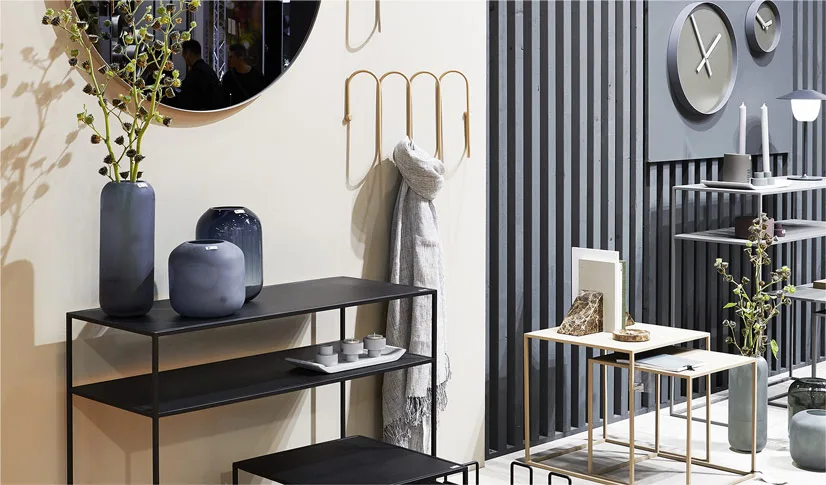
- Mirrors: These are the ultimate accessory for small rooms. Placing a large mirror opposite a window reflects natural light and creates the illusion of depth, making the room feel twice as large.
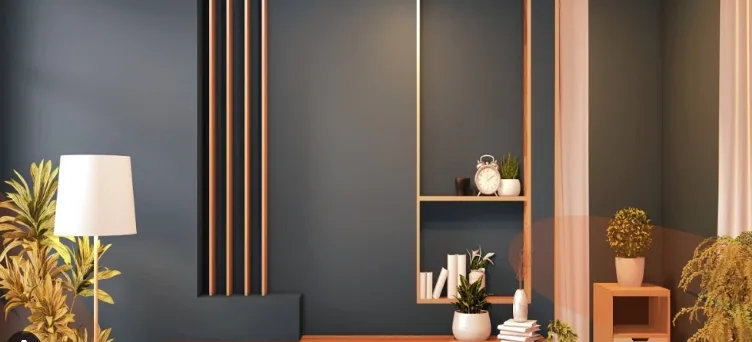
- Vertical Storage: Use wall-mounted shelves to display decorative items without taking up precious floor space.
- Multi-functional Accessories: Choose ottomans that double as storage, or decorative trays that keep small items organized while looking elegant.
How to Maintain Your Home Accessories
Investing in beautiful accessories is only half the battle; maintaining them is the other. Dust, direct sunlight, and wear can diminish the appeal of your decor over time.
- Rotate your decor: Don't feel the need to display everything at once. Keep some accessories in storage and swap them out every season. This keeps your home feeling fresh and prevents clutter.
- Clean regularly: Textiles should be washed or dry-cleaned according to their labels. Use a microfiber cloth for dusting hard surfaces to prevent scratching delicate finishes.
- Protect from UV: If you have high-quality art or delicate textiles, avoid placing them in direct, harsh sunlight, which can cause fading over time.
Final Thoughts: Creating a Home that Tells Your Story
The best home accessories are the ones that tell a story. When shopping, don't just look for items that match your color palette; look for items that resonate with your experiences. A hand-woven basket from a trip, a unique piece of pottery from a local artist, or a vintage book found at a market adds layers of history and character to your home.
Remember, there is no "correct" way to decorate. Your home is a personal project. Take your time, curate thoughtfully, and focus on selecting pieces that bring you genuine joy. By following these guidelines, you can build a collection of home accessories that not only elevate your living space but also make it a true reflection of who you are.
Whether you are starting from scratch in a new home or simply looking to refresh your current living room, start small. Focus on one area, apply the principles of balance and texture, and watch as your home transforms into a space that feels uniquely and beautifully yours.