The Ultimate Guide to Choosing Home Accessories: Elevating Your Living Space
Your home is more than just a place to live; it is a reflection of your personality, your tastes, and your lifestyle. While furniture provides the foundation of a room, it is the home accessories that breathe life into the space. From textiles and lighting to decorative accents and wall art, the right accessories can transform a sterile environment into a cozy, functional, and aesthetically pleasing sanctuary.
However, the sheer variety of home accessories available today can be overwhelming. How do you choose pieces that harmonize rather than clutter? How do you balance functionality with style? This comprehensive guide will walk you through the essential principles of selecting home accessories to help you curate a home that feels intentionally designed.
Understanding the Role of Home Accessories
Before you start shopping, it is crucial to understand what home accessories actually do. They serve three primary purposes: adding texture, introducing color, and providing functional utility. A well-accessorized room uses these elements to create visual interest and comfort.
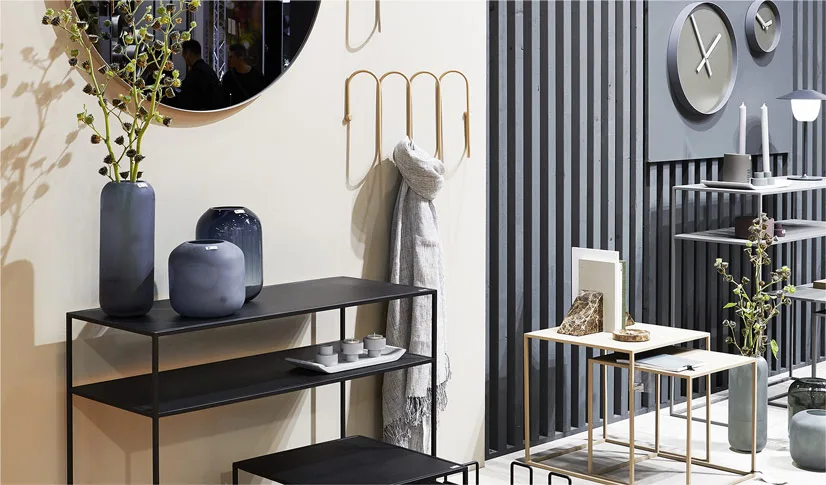
- Texture: Mixing materials—such as wool throws, velvet cushions, metallic vases, and wooden trays—adds depth to a room, preventing it from feeling "flat."
- Color: Accessories are the safest and most affordable way to experiment with color. If you are afraid of painting your walls a bold hue, introduce that color through rugs, curtains, or decorative objects.
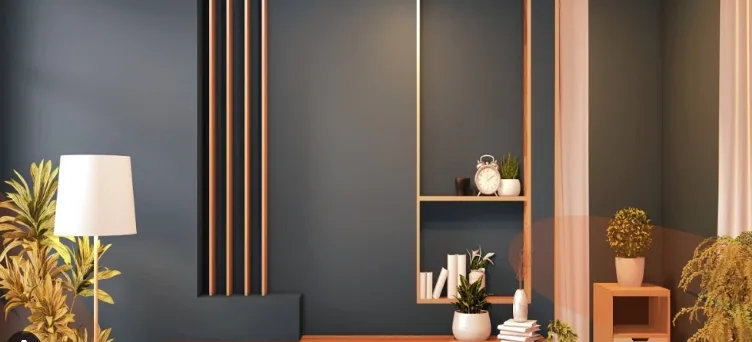
- Utility: The best accessories are often functional. A beautiful basket isn't just decor; it’s hidden storage. A stylish lamp provides necessary task lighting while acting as a sculptural piece.
The Golden Rules of Styling Home Accessories
Even the most expensive items can look chaotic if they aren't arranged correctly. Follow these professional design principles to ensure your home looks cohesive.
1. The Rule of Three
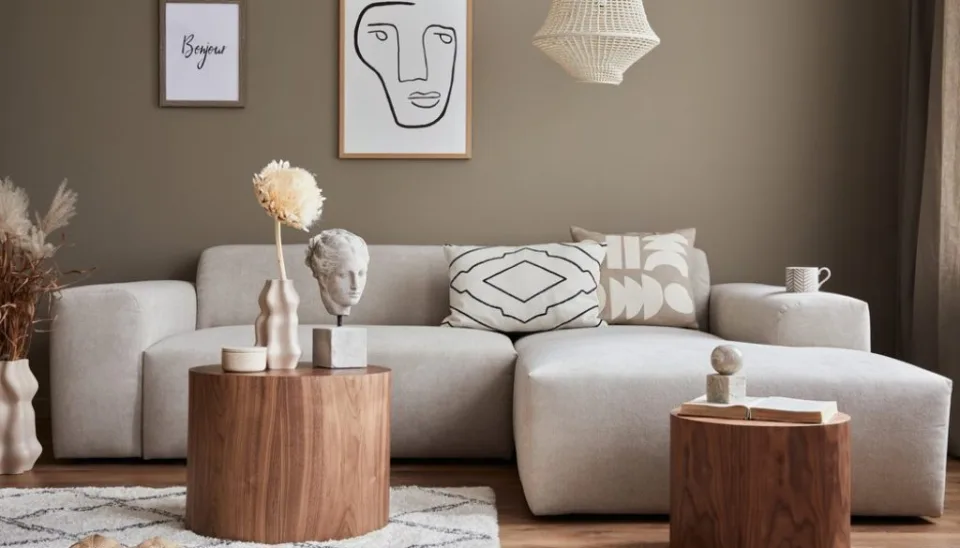
Designers often group objects in odd numbers, specifically three. This creates a balanced, asymmetrical composition that is more pleasing to the human eye than even numbers. When styling a coffee table or a bookshelf, try grouping items of varying heights and textures together.
2. Scale and Proportion
One of the most common mistakes is using accessories that are too small for the space. A tiny vase on a massive dining table will look lost. Conversely, an oversized floor lamp in a cramped corner can make the room feel smaller. Always consider the scale of your furniture when choosing your decor.
3. Create a Focal Point
Every room needs a "hero." Whether it’s a large piece of wall art, a striking mirror, or a collection of plants, ensure that your accessories draw the eye toward a specific area of the room rather than scattering attention everywhere.
Essential Categories for Every Home
To help you navigate the market, we have categorized the most impactful home accessories and provided tips on how to choose the best ones for your space.
| Category | Primary Function | Styling Tip |
|---|---|---|
| Textiles (Rugs, Pillows, Throws) | Comfort and Softness | Layer different fabrics for a high-end look. |
| Lighting (Table/Floor Lamps) | Mood and Task Lighting | Use warm-toned bulbs for a cozy atmosphere. |
| Wall Decor (Art, Mirrors) | Visual Interest and Depth | Hang art at eye level for better impact. |
| Decorative Objects (Vases, Trays) | Personalization | Group by color or theme to avoid clutter. |
How to Choose Textiles: The Foundation of Comfort
Textiles are the "soft goods" of your home. They are the easiest way to make a room feel inviting. When shopping for rugs, pillows, and throws, consider the "touch test." Since these items are tactile, quality matters more than just appearance.
Rugs: A rug anchors a room. In the living room, ensure the front legs of your furniture are resting on the rug to tie the space together. Avoid "postage stamp" rugs that are too small, as they make the room look disjointed.
Pillows and Throws: These are your seasonal tools. In the summer, opt for linen or cotton in light, breezy colors. In the winter, swap them out for wool, faux fur, or velvet in richer, deeper tones. This simple change can completely alter the "temperature" of your home.
The Power of Lighting: Beyond Visibility
Lighting is often overlooked in home accessory shopping, yet it is the most important element for ambiance. A room with only overhead lighting will always feel harsh and clinical. To achieve a professional look, you need to layer your lighting.
- Ambient Lighting: The base light for the room (ceiling fixtures).
- Task Lighting: Focused light for reading or working (table lamps, desk lamps).
- Accent Lighting: Decorative light used to highlight art or architectural features (wall sconces, LED strips).
When selecting lamps, treat them as sculptural objects. A bold, modern floor lamp can act as a piece of art even when it is turned off.
Wall Decor: Reflecting Your Personality
Blank walls are missed opportunities. However, you don't need to fill every inch of wall space. The key to successful wall decor is curation.
Mirrors are a fantastic accessory for smaller spaces because they bounce light around and create the illusion of depth. Place a mirror opposite a window to maximize natural light. When it comes to art, don't feel pressured to buy expensive originals. High-quality prints, photography, or even framed textiles can serve as excellent focal points. The most important rule? Hang art at eye level. Most people hang their art too high, which disconnects the piece from the furniture below it.
Trends vs. Timelessness: Finding Your Balance
It is easy to get caught up in viral home accessory trends. While it is fun to incorporate current styles, try to follow the 80/20 rule: 80% of your accessories should be timeless and versatile, while 20% can be trendy pieces that you are comfortable replacing in a year or two.
Timeless elements include: Natural wood textures, neutral-toned ceramics, high-quality metals (like brass or matte black), and classic woven baskets.
Trendy elements include: Highly specific color palettes (like neon or ultra-saturated hues), novelty shapes, or materials that may not stand the test of time.
Practical Tips for Shopping Success
Before heading out to buy accessories, follow these steps to avoid buyer’s remorse:
- Take Photos: Take photos of your rooms from different angles. Refer to these photos while shopping to see if a potential item fits your existing color scheme.
- Measure Twice: Always carry a measuring tape. It is easy to guess the size of a side table or a piece of wall art, but knowing the exact dimensions prevents the hassle of returns.
- Edit, Edit, Edit: Sometimes, the best accessory is a clear surface. If you feel like your room is cluttered, try removing half of your decorative objects. You will often find that the room breathes better with less.
- Quality Over Quantity: It is better to have one high-quality, meaningful accessory than ten cheap items that don't serve a purpose.
Maintaining Your Home Accessories
Once you have curated your space, maintenance is key to keeping it looking fresh. Dusting decorative objects, rotating your pillows to prevent wear, and cleaning rugs regularly will extend the life of your pieces. Furthermore, don't be afraid to "shop your own home." Moving a vase from the bedroom to the living room or swapping a throw blanket between rooms can make your space feel brand new without spending a dime.
Final Thoughts on Curating Your Sanctuary
Selecting home accessories is an evolving process. Your home should grow with you, and your decor choices will naturally shift as your tastes develop. Don't rush to complete your home in a weekend. Take your time to find pieces that resonate with you, tell a story, and bring you joy.
By focusing on texture, scale, and utility, you can transform any space into a reflection of your personal style. Remember, the goal of home accessories isn't to create a showroom; it is to create a home that is comfortable, functional, and uniquely yours.
Whether you are starting from scratch or simply looking to refresh a corner of your living room, use this guide as your roadmap. Happy decorating!