The Ultimate Guide to Choosing the Best Event Planners and Essential Tools for Success
Planning an event is a complex undertaking that requires precision, creativity, and impeccable organizational skills. Whether you are orchestrating a corporate gala, an intimate wedding, or a large-scale festival, the success of your occasion often hinges on the expertise of professional event planners and the quality of the tools they utilize. In this comprehensive guide, we explore the best practices for selecting event planners, the essential products that every professional should have in their arsenal, and the emerging trends shaping the industry today.
Understanding the Role of Professional Event Planners
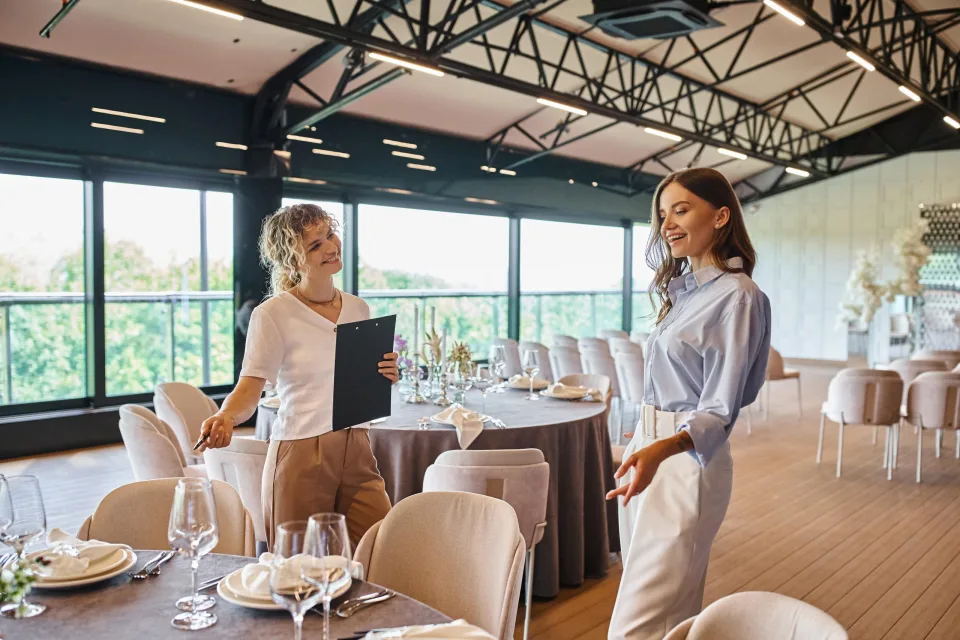
An event planner is more than just a coordinator; they are visionaries, negotiators, and crisis managers rolled into one. The best event planners possess a unique blend of soft skills and technical proficiency that allows them to turn abstract concepts into tangible, memorable experiences. When looking for the best event planning services, it is crucial to understand that their value lies in their ability to save you time, reduce stress, and optimize your budget.
Key Responsibilities of Top-Tier Event Planners
- Conceptualization and Design: Developing a cohesive theme that aligns with the client's goals.
- Budget Management: Allocating funds efficiently to ensure maximum impact without overspending.
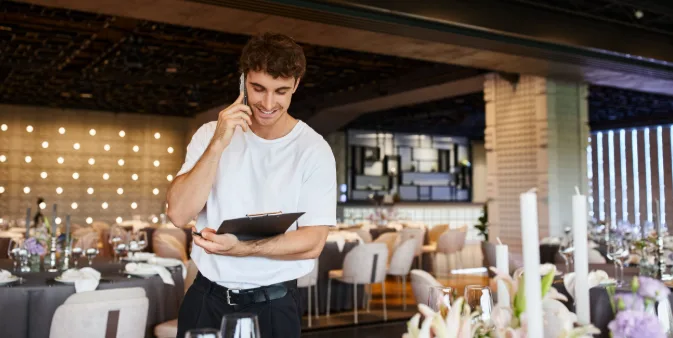
- Vendor Coordination: Managing relationships with caterers, florists, audio-visual teams, and venues.
- Logistics and Timeline Management: Creating minute-by-minute schedules to ensure seamless execution.
- On-site Troubleshooting: Proactively addressing unexpected issues during the event.
Essential Tools and Products for Modern Event Planning
Even the most experienced event planner is only as good as the tools they use. The modern event industry relies on a combination of digital software and physical organizational aids to maintain order. Below is a breakdown of the best products and tools that elevate the planning process.
Must-Have Digital Tools for Event Planners
In the digital age, efficiency is driven by technology. The best event planners leverage specialized software to manage guest lists, floor plans, and communication.
| Tool Category | Purpose | Key Features to Look For |
|---|---|---|
| Event Management Software | End-to-end planning | CRM integration, automated emails, real-time analytics. |
| Floor Plan Design Apps | Venue layout optimization | Drag-and-drop furniture, 3D visualization, fire code compliance. |
| Project Management Platforms | Task delegation | Gantt charts, deadline tracking, team collaboration. |
| Budget Tracking Spreadsheets | Financial oversight | Dynamic cost estimation, tax calculation, multi-currency support. |
Physical Organizational Products
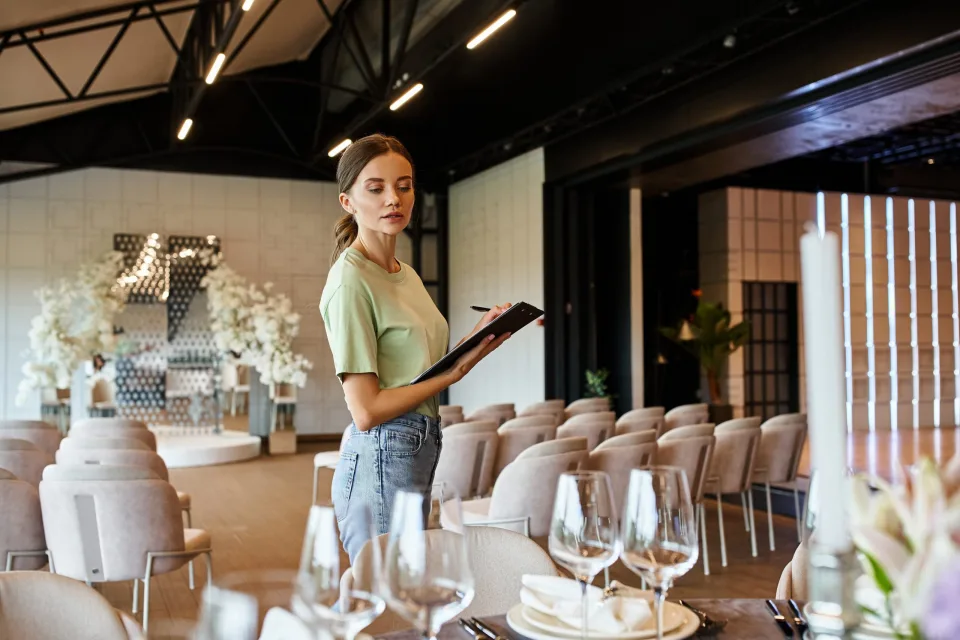
Despite the digital shift, physical products remain vital for on-site management. The best event planners carry an "emergency kit" that includes items like gaffer tape, multi-tools, zip ties, portable chargers, and printed run-of-show documents. These items are the backbone of onsite reliability.
How to Select the Best Event Planner for Your Needs
Finding the right partner for your event is a high-stakes decision. The "best" planner is not necessarily the one with the most social media followers, but the one whose style, experience, and communication methods align with your specific needs.
Evaluating Experience and Portfolio
When interviewing potential planners, focus on their specific niche. A planner who excels at corporate conferences may not have the same aesthetic touch required for high-end weddings. Request case studies that demonstrate how they handled challenges in previous projects. Ask specifically about how they managed a crisis—this reveals more about their professional capability than any marketing brochure.
The Importance of Vendor Networks
The best event planners are defined by their "little black book" of vendors. A seasoned planner has established relationships with reliable caterers, decor specialists, and technical crews. These relationships often lead to preferred pricing and, more importantly, a higher level of accountability from the vendors. When you hire a planner, you are essentially hiring their entire network of trusted professionals.
Emerging Trends in the Event Planning Industry
The event industry is constantly evolving. To stay ahead, the best event planners are those who embrace innovation and adapt to changing attendee expectations.
1. Sustainable Event Planning
Eco-consciousness is no longer a niche preference; it is an industry standard. Top planners are now prioritizing zero-waste catering, digital invitations over paper, and venues that utilize renewable energy. Incorporating sustainability is a hallmark of a modern, forward-thinking event planner.
2. Hybrid Event Formats
The post-pandemic landscape has cemented the popularity of hybrid events. The best planners now specialize in creating immersive experiences that cater to both in-person and virtual audiences, ensuring that remote attendees feel just as engaged as those in the room.
3. Hyper-Personalization
Attendees are looking for bespoke experiences. Whether it is personalized digital agendas or custom-tailored gift bags, planners are using data-driven insights to curate individual journeys for guests, increasing satisfaction and event ROI.
Maximizing Your Budget: Tips from the Pros
One of the primary reasons to hire an event planner is their ability to maximize your budget. Professionals know where to splurge and where to save. Here are some insider tips that the best event planners use to keep costs under control:
- Prioritize High-Impact Items: Spend more on catering and entertainment, as these are what guests remember most.
- Off-Peak Scheduling: Hosting events on weekdays or during the off-season can significantly reduce venue and vendor costs.
- Negotiation Expertise: Professional planners understand market rates and are better equipped to negotiate favorable contract terms, often securing upgrades that individuals cannot get on their own.
- Consolidated Logistics: Using a single vendor for multiple services (e.g., a venue that provides both furniture and catering) often reduces transportation and labor fees.
Conclusion: The Path to a Successful Event
The success of any event is built upon a foundation of meticulous planning and professional execution. Whether you are searching for the best event planners to handle your upcoming gala or you are looking to upgrade your own planning toolkit, the key is to prioritize organization, communication, and adaptability. By focusing on these core pillars, you can ensure that your event is not only well-executed but also a memorable success for all involved.
Remember, the best event planners are those who act as silent partners, working tirelessly behind the scenes to ensure the spotlight remains on your event's goals. Choose wisely, invest in the right tools, and stay informed about industry trends to create experiences that resonate long after the final guest has departed.