The Ultimate Guide to Choosing the Best Event Planners and Essential Tools for Success
Planning an event is a complex undertaking that requires precision, creativity, and a meticulous eye for detail. Whether you are organizing a corporate gala, an intimate wedding, or a large-scale industry conference, the success of your event hinges on your ability to manage moving parts effectively. In the modern era, the "best" event planners are no longer just people; they are a synergy of professional expertise and high-performance digital tools designed to streamline the entire lifecycle of an event.
In this comprehensive guide, we explore the best practices for selecting professional event planning services and the top-tier products and software that every event coordinator needs in their arsenal to deliver seamless experiences.
What Defines the Best Event Planners?
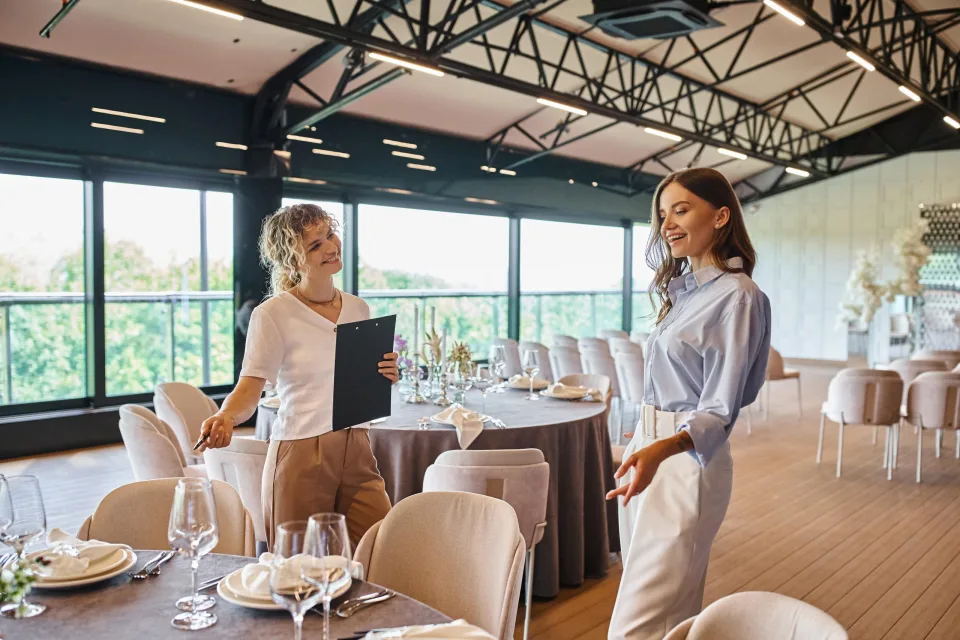
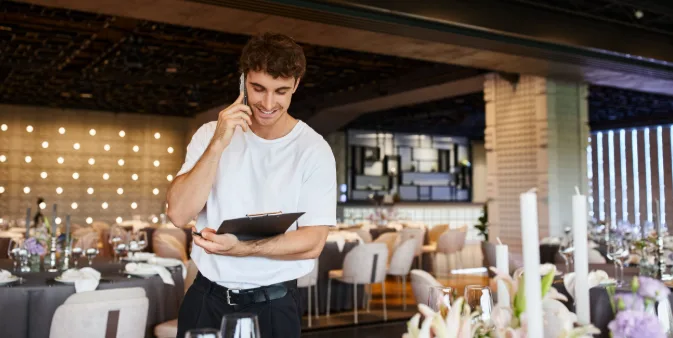
When searching for the best event planners, it is important to distinguish between mere logistics coordinators and strategic event architects. A top-tier event planner brings value far beyond simple scheduling. They act as project managers, creative directors, and crisis negotiators all in one.
Key Characteristics of Top-Tier Event Planners
- Strategic Vision: They understand the "why" behind your event and ensure every element aligns with your primary goals.
- Vendor Networks: The best planners have established relationships with reliable vendors, ensuring better pricing and priority service.
- Crisis Management: They possess the ability to remain calm under pressure, offering quick solutions when things go wrong.
- Budget Stewardship: They maximize your resources, ensuring you get the highest quality outcomes without exceeding your financial limits.
Essential Tools for Modern Event Planners
Even the most talented event planner is only as good as the tools they use. To stay ahead in a competitive market, professionals rely on a suite of software and hardware designed to automate tasks and improve attendee engagement. Here are the categories of tools that define the best event planning workflows.
1. Event Management Software (EMS)
Modern event management software serves as the central nervous system of your project. These platforms handle everything from ticketing and registration to attendee communication and data analytics. The best EMS solutions offer cloud-based accessibility, allowing teams to collaborate in real-time from different locations.
2. Collaborative Project Management Tools
Event planning involves hundreds of micro-tasks. Using project management platforms allows planners to assign tasks, set deadlines, and track progress visually. These tools prevent communication silos and ensure that no detail—no matter how small—is overlooked.
3. Digital Floor Planning and Visualization Software
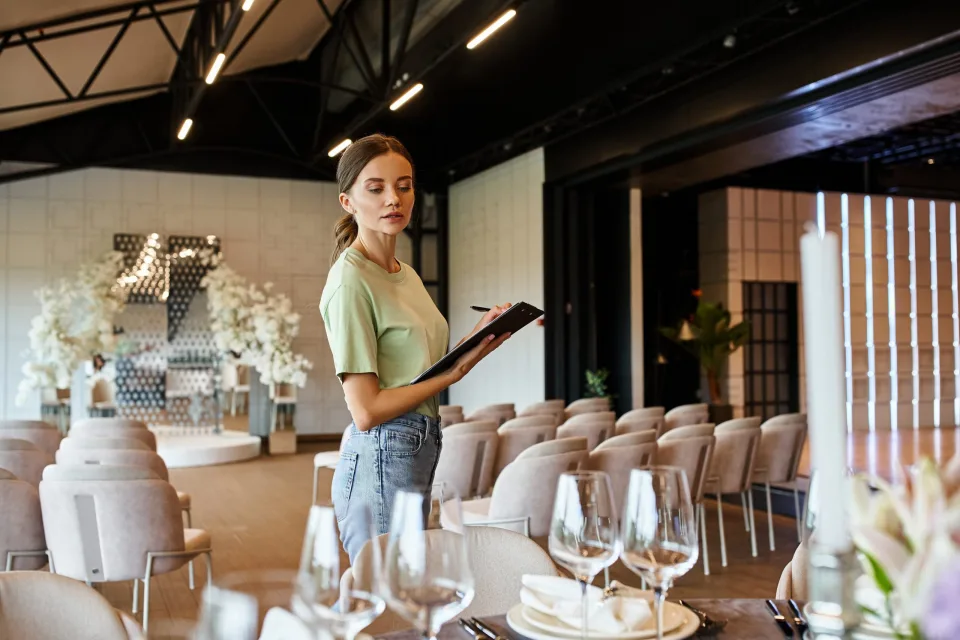
Before a single chair is placed, the best event planners use 3D visualization software. This allows clients to see exactly how the venue will look, helping to optimize flow, seating arrangements, and aesthetic placement of decor.
Comparison of Must-Have Event Planning Categories
To help you navigate the landscape of event planning resources, we have categorized the essential elements that every successful planner should invest in or seek out.
| Category | Primary Function | Benefit to Your Event |
|---|---|---|
| Event Management Platforms | Registration & Ticketing | Automates attendee data and revenue tracking. |
| Project Management Suites | Task & Timeline Control | Keeps the team aligned and on schedule. |
| Virtual Event Tech | Live Streaming & Hybrid Integration | Expands reach beyond physical boundaries. |
| Budgeting Software | Expense Tracking | Prevents overspending and manages ROI. |
Current Trends Influencing the Best Event Planners
The event industry is constantly evolving. To be considered among the best, planners must stay ahead of emerging trends. Currently, the industry is shifting toward hyper-personalization and sustainability.
Sustainability as a Standard
Eco-conscious planning is no longer a "nice-to-have"—it is a necessity. The best event planners now prioritize zero-waste catering, digital signage to reduce paper use, and venues with green certifications. Sustainability is now a key metric for measuring the success of modern events.
Hyper-Personalization
Attendees expect a tailored experience. Using data collected during the registration process, the best planners curate personalized agendas, recommend networking opportunities, and provide customized content delivery. This creates a deeper emotional connection between the attendee and the event.
Hybrid Event Architectures
The flexibility of hybrid events—combining in-person attendance with high-quality digital streaming—is here to stay. The best planners are those who can bridge the gap between physical and virtual audiences, ensuring that remote participants feel just as engaged as those in the room.
How to Select the Best Event Planning Partner
If you are looking to outsource your event planning, the selection process is critical. Do not simply look for the lowest quote; look for a partner whose methodology aligns with your needs.
- Review Past Portfolios: Ask for case studies of events similar to yours in scale and complexity.
- Check Communication Style: Your planner will be your main point of contact for months. Ensure their communication style matches yours.
- Assess Tech-Savviness: Ask them which tools they use. A planner who is hesitant to use digital management tools may struggle with modern event complexities.
- Clarify Fee Structures: Understand if they work on a flat fee, a percentage of the total budget, or an hourly rate. Transparency is the mark of a professional.
Maximizing Your Budget: Tips from the Pros
Even with a significant budget, smart management is essential. The best event planners use specific strategies to ensure every dollar is accounted for and utilized effectively.
Prioritize High-Impact Areas
Not every element of an event requires the same level of investment. Identify the "hero" elements—the ones that attendees will remember most—and allocate the majority of your budget there. This might be the keynote speaker, the catering quality, or the immersive decor.
Negotiate Vendor Contracts
Experienced planners know that vendor contracts are almost always negotiable. By bundling services or choosing off-peak dates, you can secure significant discounts that allow you to reallocate funds to other areas of the event.
Leverage Early-Bird Data
Use registration data to predict attendance numbers accurately. Overestimating attendance leads to wasted budget on catering and materials, while underestimating leads to poor experiences. Use data-driven forecasting to keep your costs lean and effective.
The Future of Event Planning
As technology continues to integrate with physical spaces, the role of the event planner will continue to expand. We are seeing the rise of AI-driven event assistants, AR/VR integration for immersive experiences, and real-time sentiment analysis tools that allow planners to adjust the event flow while it is happening.
The best event planners are those who embrace these technological shifts. They do not view technology as a replacement for human connection, but as an enhancer that allows for more seamless, impactful, and memorable gatherings.
Conclusion: Achieving Excellence in Event Execution
Whether you are managing an event internally or hiring a professional team, the path to success remains the same: focus on the attendee experience, utilize the best digital tools available, and maintain a rigorous approach to project management. By following these guidelines, you ensure that your event is not just a gathering, but a memorable experience that achieves its strategic objectives.
Remember, the "best" event planners are those who treat every event as a unique opportunity to create value, foster connection, and deliver excellence. Start by auditing your current processes, investing in the right management software, and building a team or partnership that prioritizes data-driven results alongside creative vision.